How to become a nail tech comes down to one sequence: meet your state's age and education minimum, complete a state-approved training programme, pass the NIC theory and practical exam, and apply for your licence. That is the whole path, and it is more concrete than the scattered advice floating around the internet makes it seem.
If you have already searched this once or twice, you know the frustration. One site quotes a salary of twenty-three thousand. Another says seventy-seven thousand. A third tells you "it depends" and moves on without explaining what it depends on. This guide on how to become a nail tech exists to close that gap with real numbers instead of vague ranges.
This guide fixes that. Real training hour ranges. Real all-in costs, not just tuition. A clear explanation for why the salary numbers online contradict each other, anchored to one government figure instead of a guess. And unlike most guides on this topic, we cover the routes that skip traditional school entirely, because for a meaningful number of readers, that faster or cheaper path is the actual question they came here to answer.
Seven steps. Real numbers at every one. Let's start with what the whole process actually requires before you commit a single dollar or hour to it.
What Does It Actually Take to Become a Nail Tech?
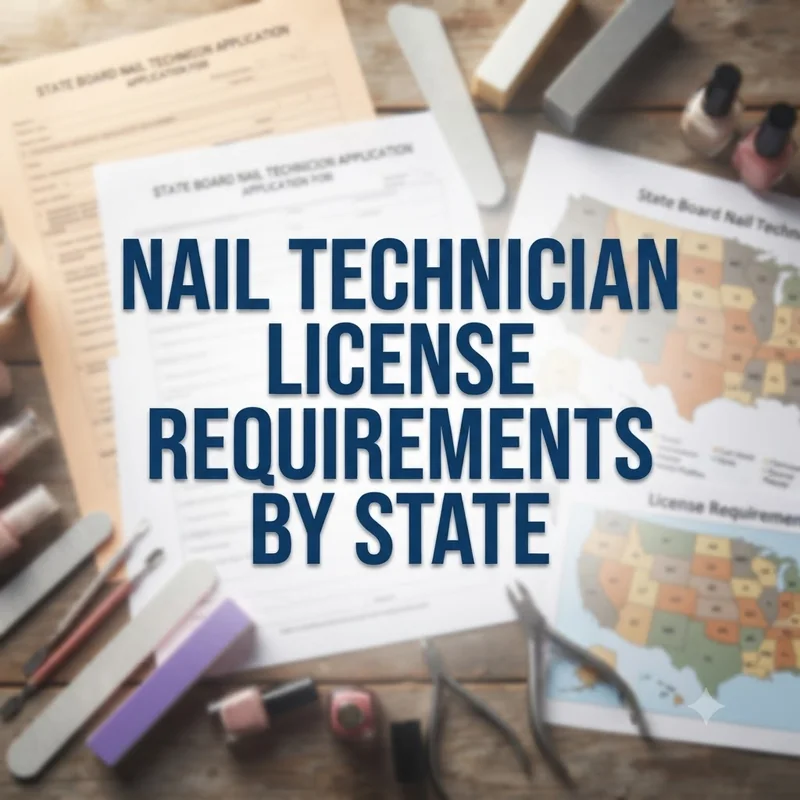
How long does it take to become a nail tech? Most people finish in 10 weeks to 8 months, depending on how many training hours their state requires and whether they study full-time or part-time. There is no single national timeline, because the process of how to become a nail tech is regulated state by state, not federally.
That variance is the first thing worth understanding, because it explains almost every conflicting number you will find elsewhere. A state that requires 100 hours produces licensed techs in a fraction of the time a 600-hour state does. Neither is wrong. They are simply different regulatory floors.
Here is the shape of the full path, before the step-by-step detail:
You will need to satisfy your state's minimum age and education requirement, then complete training through a school, an approved apprenticeship, or in some states a hybrid of both. Once your hours are logged, you sit the NIC theory and practical exam, apply for your state licence, and only then can you legally accept paying clients. Continuing education keeps that licence active going forward.
Nobody skips a step in this sequence, though the order of some administrative pieces (like applying for a temporary permit) can shift slightly by state. What follows is the detail for each stage, starting with the requirement that trips up the most beginners: whether you even qualify to start.
Step 1: Check Your State's Age and Education Requirements
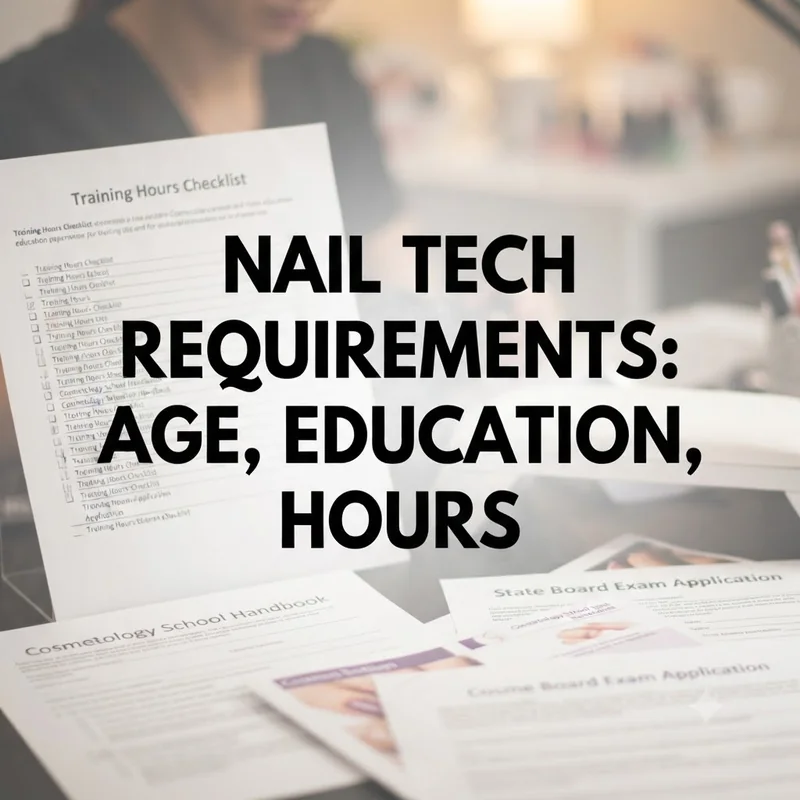
Most states set the bar low on paper: 16 or 17 years old, with a high school diploma or GED often required, though a handful of states will let you enrol without one. It sounds like a formality until you are the person who does not have a GED yet and is wondering whether that closes the door. It usually does not, but you need your specific state's answer before you plan anything else.
This is the step people skip. They pick a school first, sometimes based on price or proximity, and only discover the eligibility requirement after they have already paid a deposit. Reverse that order. Confirm eligibility first.
State boards vary more than most beginners expect on this point, and the variance runs both directions. Some states have a firmer age floor than others. Some accept a GED with no issue; a small number want proof of enrolment in a GED programme rather than the credential itself. If you are under 18, or you do not yet have a diploma or GED, this is worth a direct call to your state's cosmetology or cosmetology-adjacent board rather than relying on a school's marketing page, which may describe its own policy rather than the state's legal minimum.
Documentation matters here too. Have your ID, proof of age, and diploma or GED certificate ready before your first day of enrolment, since schools generally will not let you start clinic hours without them on file. Sorting this paperwork early avoids losing training weeks to an administrative delay later.
Once you have confirmed you qualify, the next decision is entirely in your hands: which programme to actually attend. For the full state-by-state breakdown, including the states with unusual age or diploma exceptions, nail technician license requirements by state covers every jurisdiction in one place. If you want the complete rundown of hours and education prerequisites side by side, age and education requirements to start nail school goes deeper than we have room for here.