What Nail Tech School Actually Costs
$3,000 to $10,000. That's the real tuition range for most state-approved nail technology programs, and the spread depends almost entirely on whether you're at a community college, a dedicated beauty school, or a private academy with brand-name backing.
Tuition is the headline number, but it's not the full cost. Add a starter kit (files, buffers, a lamp if the program doesn't supply one), state licensing exam fees, and continuing education hours down the line. Budget an extra $300 to $800 on top of tuition for these. Then there's the cost nobody lists on a brochure: lost income during training, whether that's hours cut from a current job or a full pause on earning while you study.
Payment plans and financial aid shrink the upfront hit for a lot of students, but they don't change the total. What changes the total is speed, faster completion means fewer months of paused income stacked on top of tuition. For a full line-by-line breakdown of what schools charge and why prices vary this much by state, the nail tech school cost breakdown goes deeper than this section can.
The Real Break-Even Math: How Long Until You Make It Back
Most new nail techs recoup their tuition within four to nine months of steady, consistent client work. That range is wide because it depends on two numbers only you control: how many clients you see per week and what you charge per service.
Here's the framework nobody else gives you. Take your total investment (tuition plus kit plus exam fees, say $5,500 as a mid-range example). Divide it by your average ticket price after supply costs, roughly $35 net on a $45 full-set service once product cost is subtracted. That's about 157 services to break even. A new tech booking 15 clients a week hits that number in just over ten weeks of full booking, but full booking rarely happens immediately.
Realistically, the first month or two run at partial capacity while you build a repeat client base, which is why the honest range stretches to four to nine months rather than ten weeks flat. A tech who books aggressively on social media and takes walk-ins from day one lands at the faster end. A tech who waits passively for referrals lands at the slower end, sometimes past nine months.
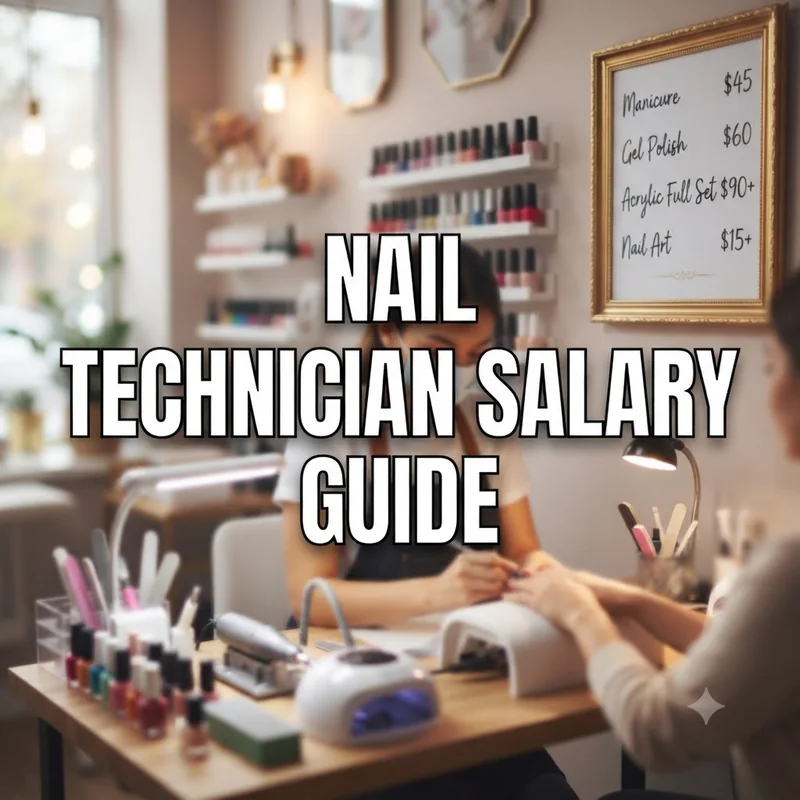
This is the piece every competitor skips: break-even isn't fixed, it's a function of how hard you work the client-building phase, not a number baked into the tuition itself. For the income side of this equation in more detail, including what experienced techs earn once past this stage, what nail technicians really earn lays out the fuller range.
Is It Worth It If You're Changing Careers?
Career changers tend to do this math better than first-time students, and it shows in how fast they break even. You already know how to hold a schedule, handle difficult customers, and market yourself, skills a first-time student has to learn alongside the technical training itself.
That head start matters more than people expect. The client-building phase, the part that stretches or shrinks your break-even timeline, is fundamentally a small-business skill, not a nail skill. Career changers coming from retail, hospitality, or any client-facing role usually shortcut months off that ramp-up because they've already done versions of it before.
The doubt worth naming directly: this isn't a fallback career, and treating it like one is where career changers go wrong. Approached with the same seriousness as the job you're leaving, licensing and building a real client base, it holds up as a legitimate, sustainable second career, not a placeholder while you figure out something else.
Is Nail Tech a Stable, Long-Term Career?
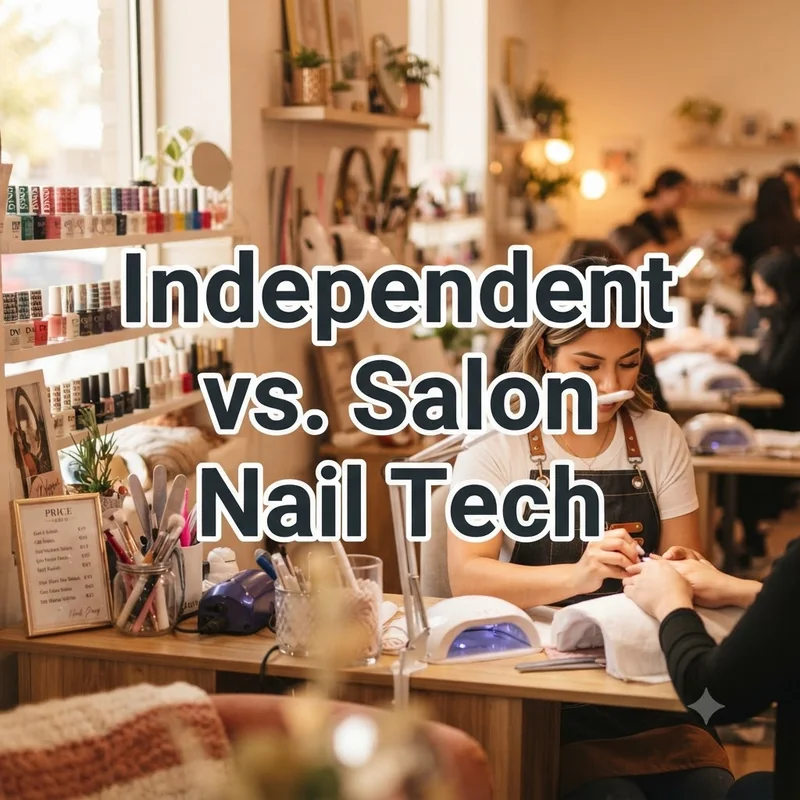
Most nail techs work under one of two models: booth rental, where you pay a flat fee to operate independently inside a salon and keep everything you earn, or salon employment, where you're paid a wage or commission and the salon takes a cut in exchange for handling booking, supplies, and walk-in traffic.
Neither model is inherently more stable, they trade off differently. Booth rental gives you full income control but zero safety net if a slow month hits. Salon employment gives you steadier baseline income but a lower ceiling since the salon takes its share. Most techs start in salon employment while building clients, then move to booth rental or independent ownership once that client base is proven.
The "is this a real career" doubt usually comes from comparing nail work to a corporate ladder that doesn't apply here. There's no promotion track, but there is a genuine ceiling-raising path: more skills (extensions, structured gel, nail art), a stronger client list, and eventually your own space or booth. Demand for nail services has stayed resilient because it's one of the last beauty categories clients keep paying for even when budgets tighten elsewhere.