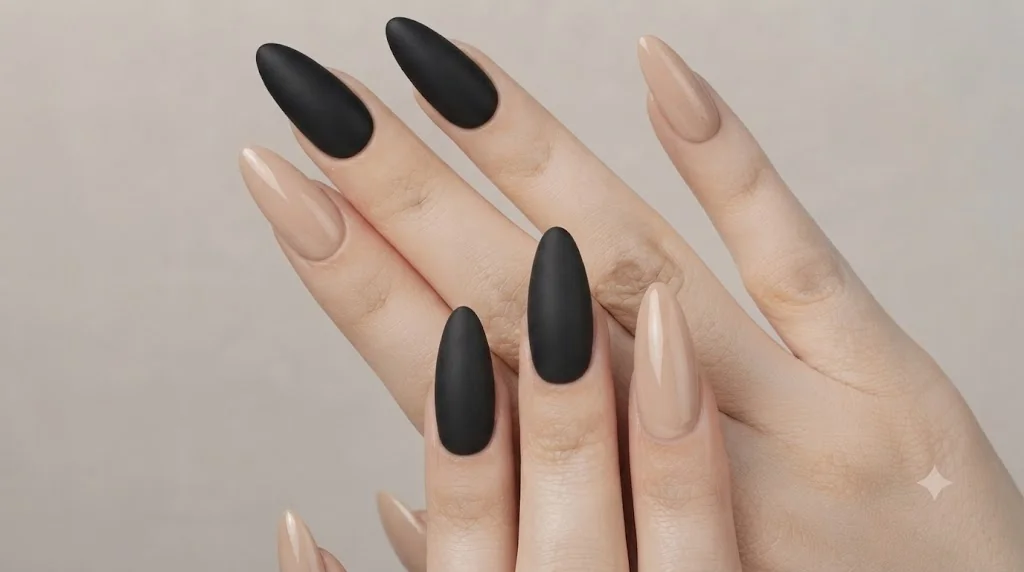
Queer manicure is not, first and foremost, a fashion statement. It's a practical answer to a comfort question, dressed up over the years into a piece of community shorthand. The short version: two nails on your dominant hand, usually the index and middle finger, cut short while the rest of your nails stay whatever length you like. It started as a solution. It became a signal. And somewhere along the way, it turned into a stereotype some people love, some people resent, and plenty of people simply never noticed applied to them at all.
That gap between the practical origin and the cultural weight is exactly what this queer manicure guide untangles. You'll get the real history, the actual reasoning that started it, an honest look at the debate over whether the stereotype still holds up, the styling range within the concept, and the one thing almost nobody tells you: precisely what to say to a nail tech so the appointment feels ordinary instead of loaded. If you've heard the term somewhere, maybe in a group chat, maybe a dating app bio that joked about it, and wondered whether it applies to you, this is the full picture. No prior knowledge required, no membership card checked at the door.
What Is a Queer Manicure, Exactly?
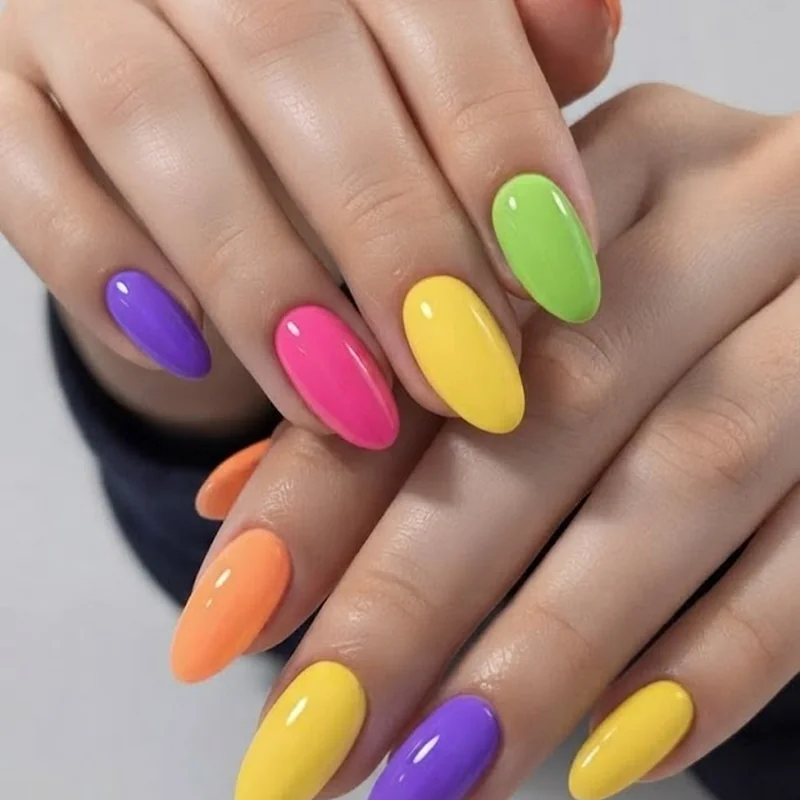
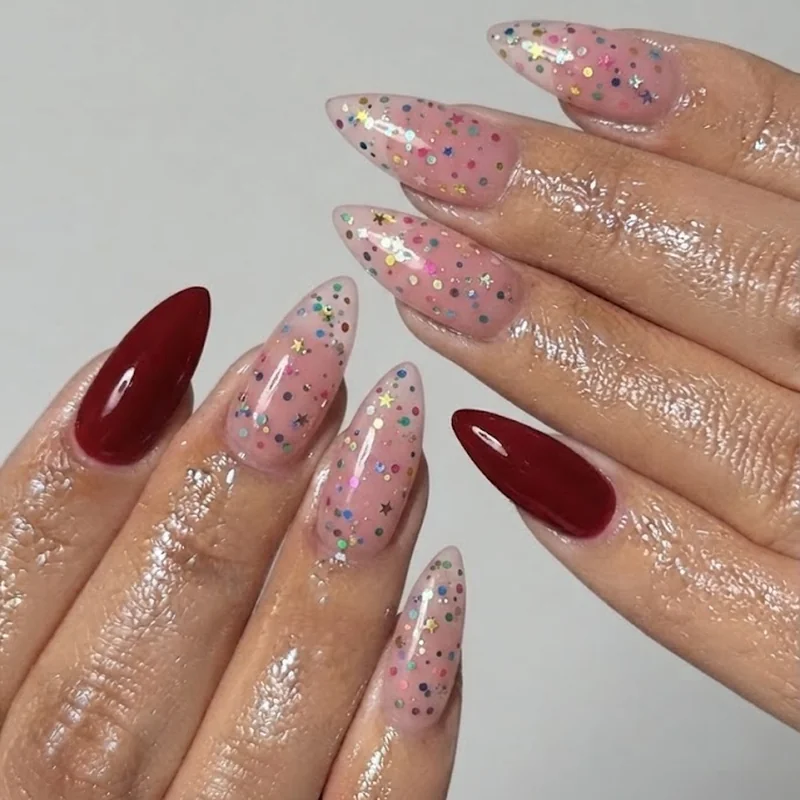
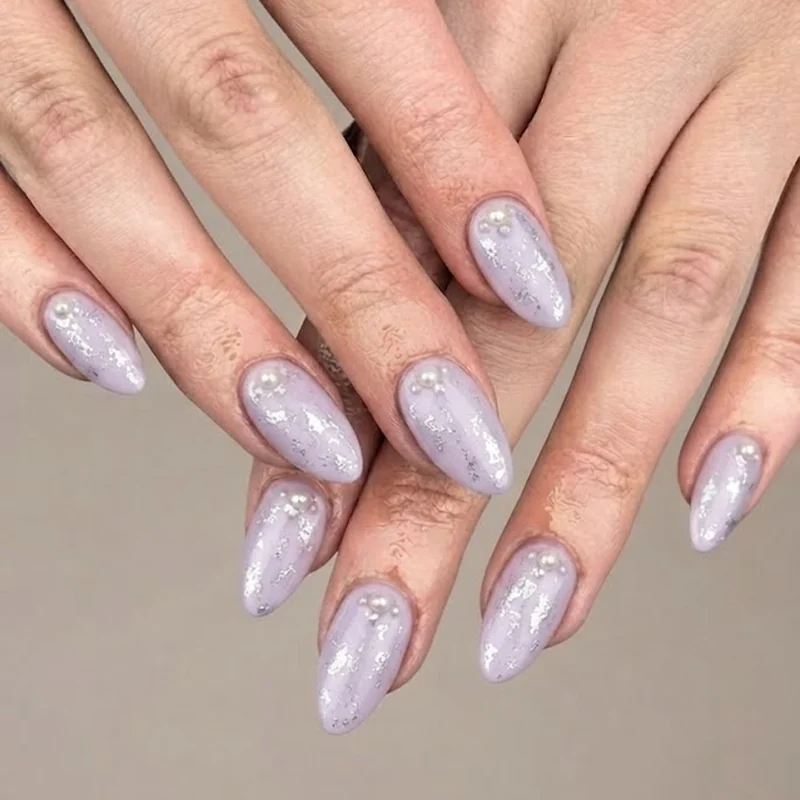
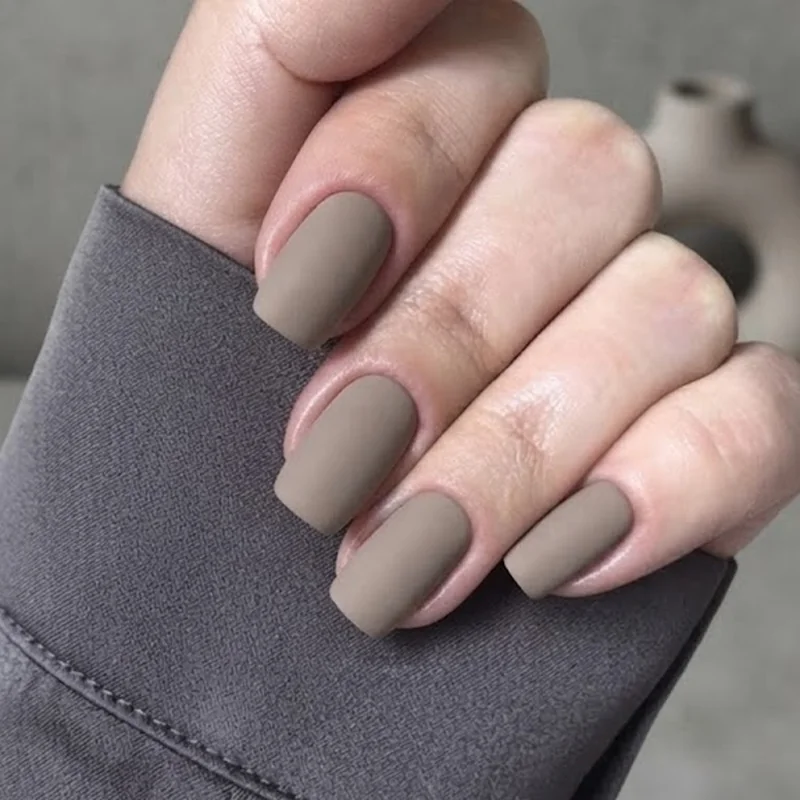
A queer manicure is a nail style, most commonly two nails on the dominant hand (usually the index and middle finger) kept trimmed short while the remaining nails stay at a longer length of the wearer's choosing. It functions as an informal visual marker within lesbian, bisexual, and sapphic culture, though it carries no official rules and no single correct version. Some people wear a full set of short nails and call it the same thing. Others wear it with acrylics, color, or nail art layered on top.
The term shows up interchangeably with a few close cousins: lesbian manicure, lesbian nails, femmicure, femme-icure. They're not perfectly identical in every conversation, but they're pointing at the same core idea, and this post treats them as the same concept with slightly different framing. "If you know, you know" is the phrase that comes up constantly in community discussion of this style, and it captures the whole dynamic well. The look is legible to people already inside the reference, invisible to everyone else, which is precisely what makes it function as a signal rather than a trend.
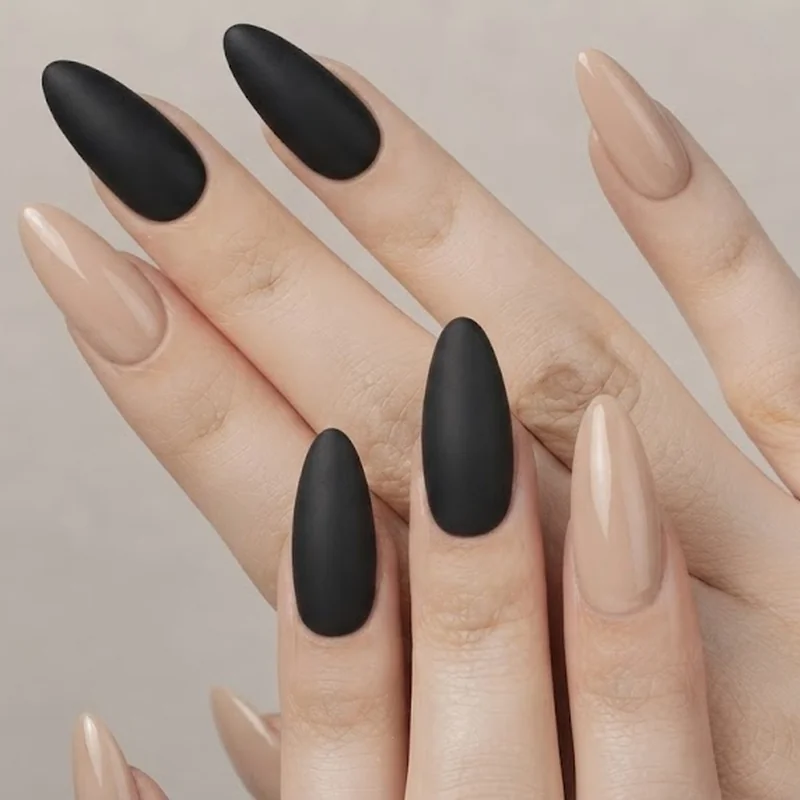
Worth knowing before you book the appointment: nobody is checking your nails at the door. There's no minimum requirement, no wrong way to wear it, and no rule that says you have to adopt it at all to belong anywhere in queer space. The style is available, not mandatory. That distinction matters more than it might seem, and it's one this post keeps coming back to.
It's also worth separating the style from any single meaning. For some wearers, it's a deliberate signal, a way of being legible to other queer people in a room without saying anything out loud. For others, it's purely practical or purely aesthetic, adopted without any thought toward flagging at all. Both readings are correct at the same time, and neither cancels the other out. The manicure doesn't come with a mandatory backstory attached.
Where Did the Queer Manicure Come From?
The stereotype didn't arrive out of nowhere. It grew out of decades of queer women quietly signaling to each other in a world that didn't always make that safe to do out loud, and nail length turned out to be one of the more durable, low-key ways to do it. According to the term's documented history, the practice has circulated in lesbian and sapphic communities for years as one entry in a much longer tradition of subtle visual cues.
Flagging, the broader practice of using dress, accessories, or grooming choices to signal queer identity to other queer people without announcing it to everyone else, has existed in various forms across LGBTQ history. Nail length is a comparatively recent and comparatively gentle entry in that tradition compared to older, more overt signals. It reads as ordinary to anyone not looking for it and reads clearly to anyone who is, which is the entire mechanism flagging depends on.
Pop culture accelerated the association without originating it. Shows like The L Word got cited repeatedly in community discussion as a moment where nail length became an explicit on-screen shorthand for reading a character as gay, folding an existing whispered signal into something a much wider audience suddenly recognized. Once a signal becomes legible outside the community that built it, it stops being quiet. That shift, from private code to public stereotype, is exactly where a lot of the current tension around the style comes from, and it's the thread the next section picks up.
Social media gave the term its second life. TikTok and Pinterest recirculated "lesbian nails" and "queer manicure" as searchable, taggable concepts, pulling a decades-old practical habit into an aesthetic category with its own hashtags, its own style variations, and its own newcomers asking what it actually means. The origin is practical. The current visibility is very online.
That online visibility changed who's asking about the term and why. A decade ago, this was mostly community knowledge, passed along in person, rarely written down. Now it shows up in search bars from people who caught a reference in a video, a caption, or a friend's offhand comment, with no prior context for what they're looking at. That shift is part of why an explainer like this one is overdue. The knowledge existed. It just wasn't written down plainly anywhere a newcomer could actually find it.