What Makes a Manicure 'Simple'
Simple nails prioritise ease of execution with minimal steps, achievable at any skill level, regardless of the finished look. That's the whole definition. It has nothing to do with how the manicure ultimately looks and everything to do with how little is required to get there.
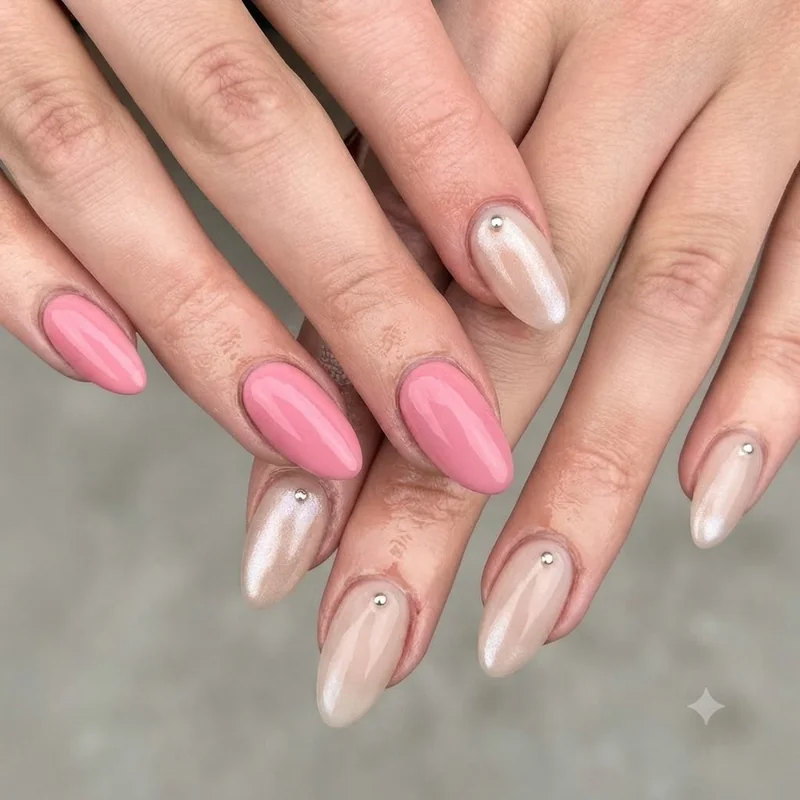
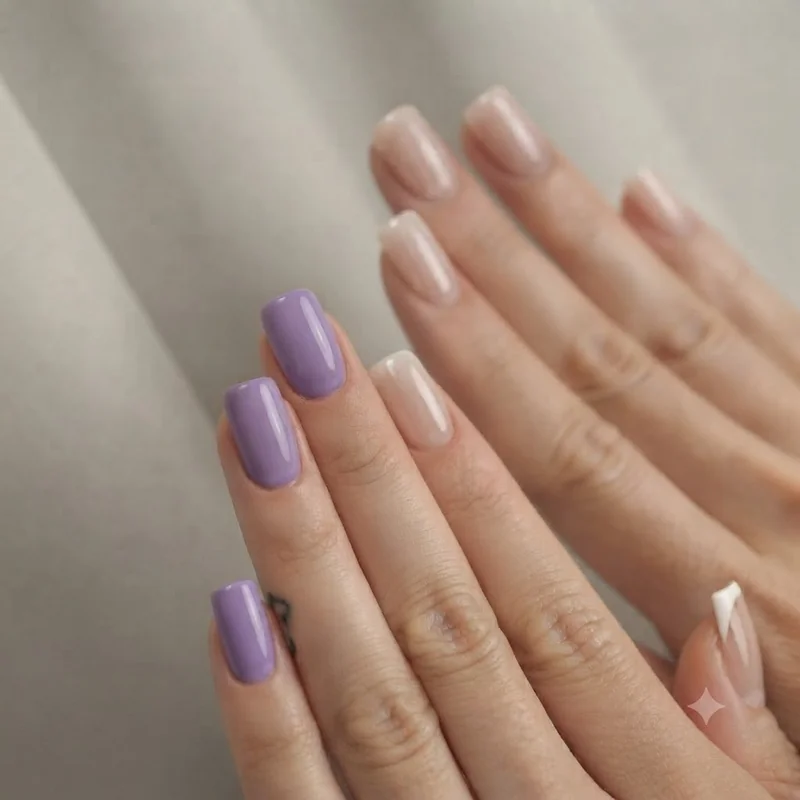
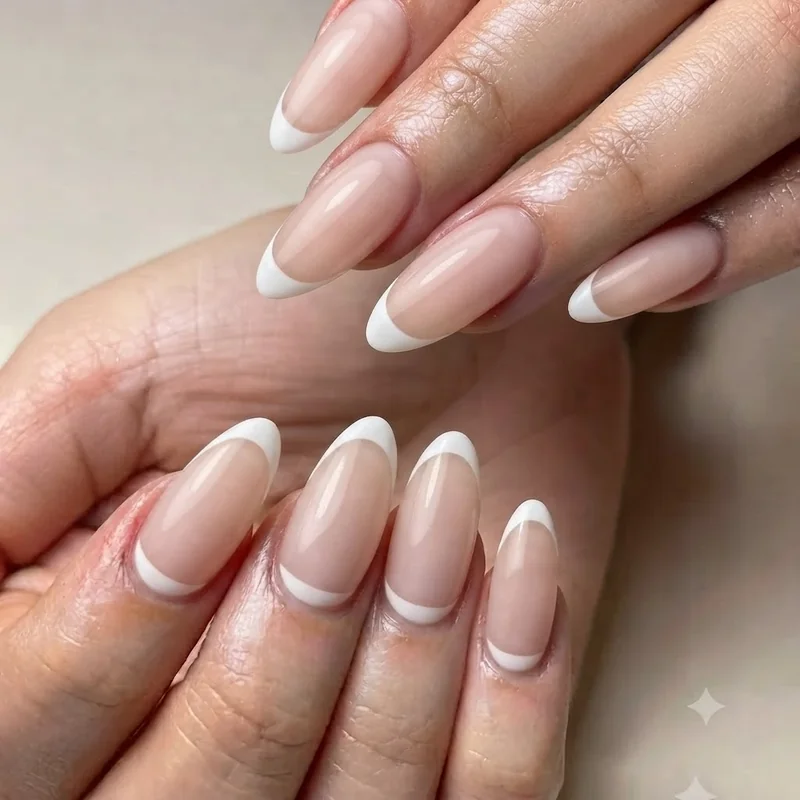
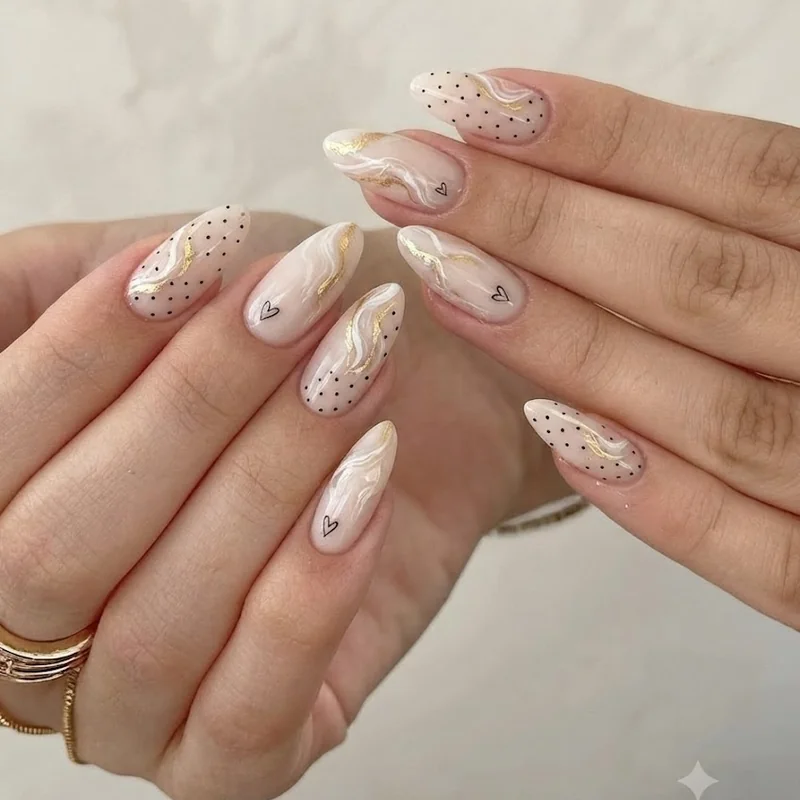
A simple manicure typically means one or two polish steps, no intricate line work, and no dependency on a steady hand or specialist tools. Solid colour on clean nails counts. So does a basic French tip, a few evenly spaced dots, or a single swipe of glitter over a neutral base. The bar is low by design, which is exactly the point. Someone with five minutes, a bottle of polish, and zero nail art experience can produce a simple manicure that looks finished.
This is also why simple nails skew DIY. Press-on sets have made the category even more accessible: peel, press, done, no drying time and no risk of a smudge halfway through. Byrdie's guide to press-on nails covers just how far the format has come from the plastic-claw reputation it used to carry. If your goal is a manicure that looks put together without eating your evening, simple is the term that gets you there, and simple nail designs for beginners is the fastest way to see the full range of what counts.
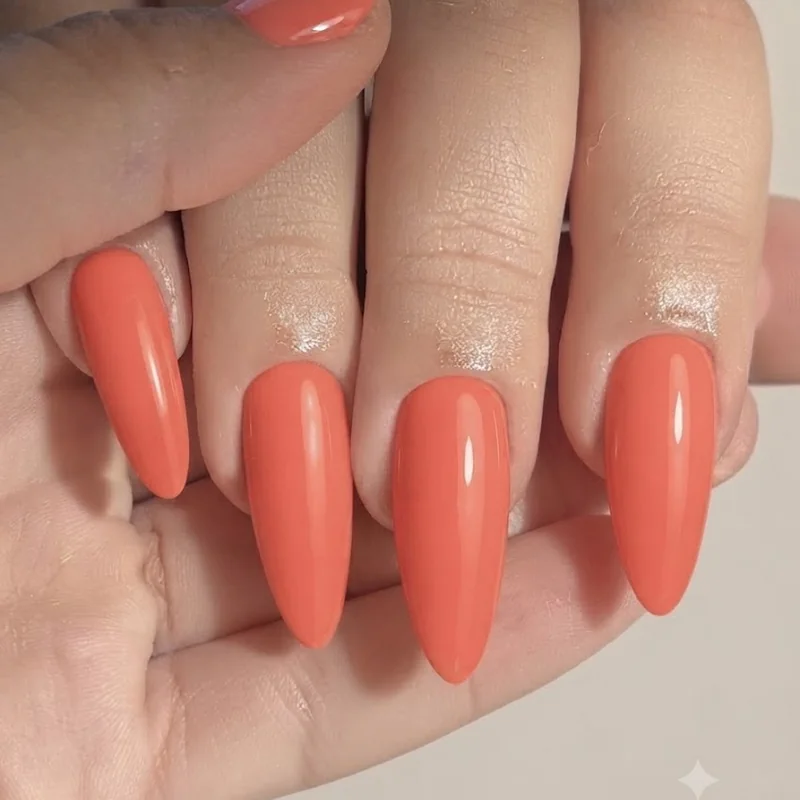
What simple does not guarantee is a specific look. A bold red solid mani is simple. A pastel ombre with three colours blended by hand is not, even though it might photograph as minimal. Effort is the measure, not aesthetic.
What Makes a Manicure 'Minimalist'
Minimalist is not simply "less." Fewer elements on a nail don't automatically earn the label. What makes a manicure minimalist is intention: every colour, shape, and finish decision is deliberate, chosen for how it reads as a whole rather than chosen because it was quick.
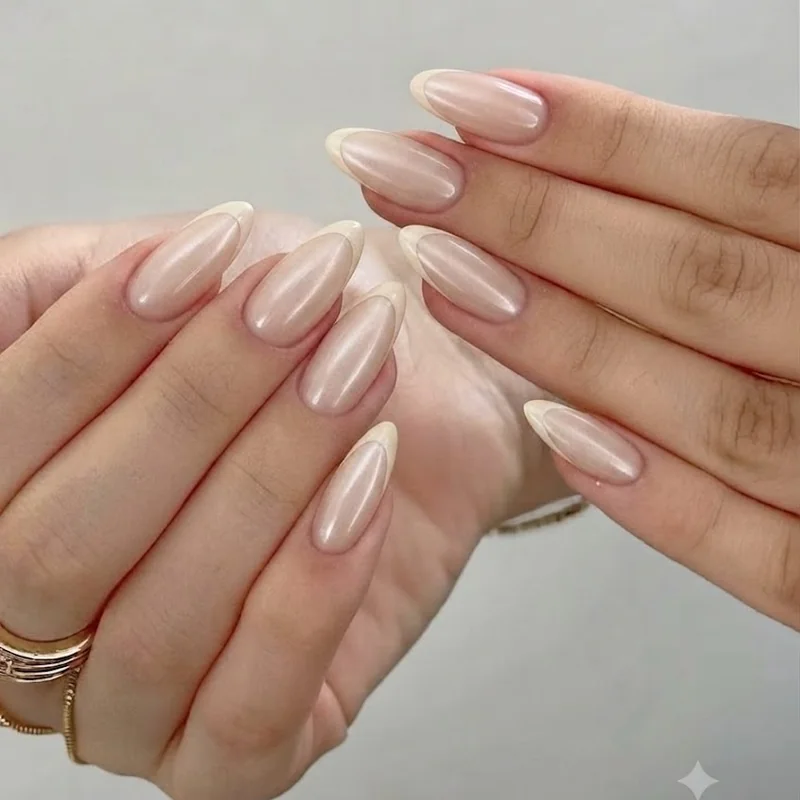
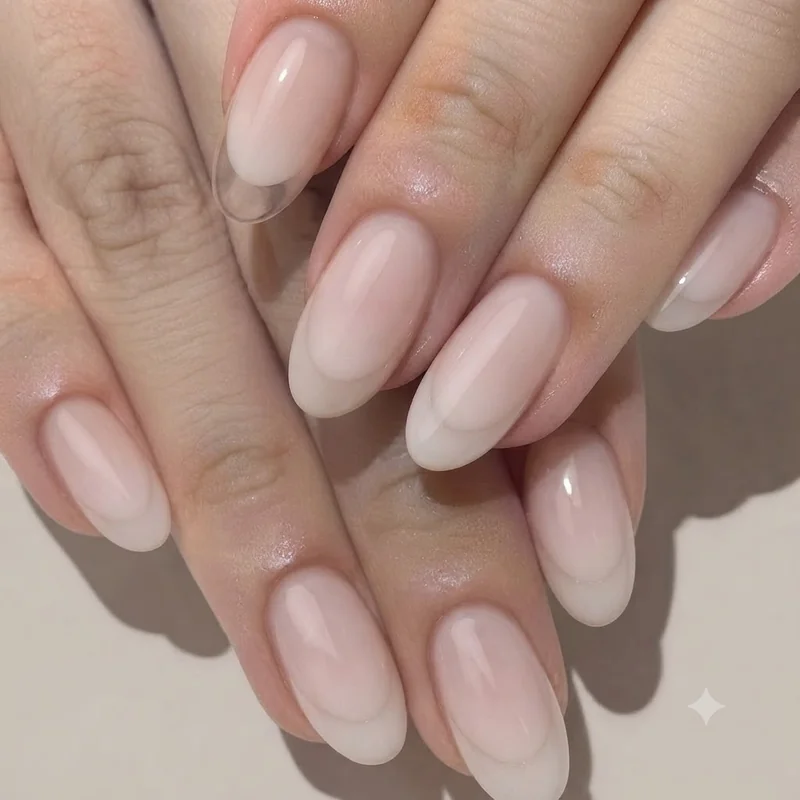
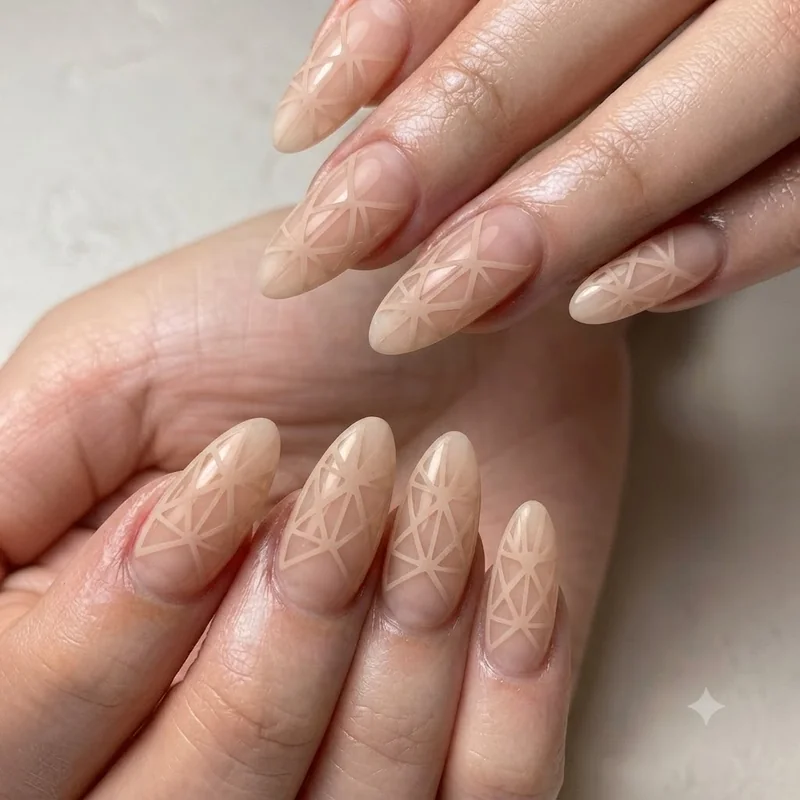
Minimalist nails are a curated aesthetic built on intentional restraint, not just fewer elements. That distinction is what separates a genuinely minimalist look from a manicure that simply has less going on. A flawless single-tone glazed nail, a hairline negative space cutout, or a precise micro French tip all count, because each depends on getting one small thing exactly right rather than avoiding effort altogether. Negative space in particular has become a defining minimalist technique, and negative space nail ideas shows how much range exists within a technique that's still fundamentally about restraint.
Execution is where minimalist earns its reputation as the harder of the two. A slightly uneven cuticle line or a streaky base coat disappears on a busy design. On a single nude shade with nothing else to look at, it's the first thing anyone notices. That's the trade-off nobody mentions when they use "minimalist" as a stand-in for "easy": the fewer elements a design has, the more each one has to be right.
Colour plays into this too, though not as strictly as people assume. Minimalist nails lean toward nudes, milky whites, and sheer jelly polish because those shades hide the least and reward precision the most. A muted sage or a soft brown can read just as minimalist as a nude, provided the application is clean. The colour supports the restraint. It doesn't define it on its own.
Simple vs Minimalist Nails: Side-by-Side Comparison
Laid out directly, the differences between these two terms stop being abstract. Here's how simple vs minimalist nails compares across the factors that actually matter when you're deciding which one to search for or ask for.
| Factor |
Simple Nails |
Minimalist Nails |
| Core focus |
Ease of execution |
Curated aesthetic |
| Skill level required |
Any skill level |
Precision-dependent |
| Best done |
DIY at home |
Salon-quality result preferred |
| Colour range |
Unrestricted |
Leans nude, white, sheer |
| Cost at salon |
Lower, faster booking |
Often higher, more technique time |
| Mistake visibility |
Easy to hide |
Highly visible |
| Underlying goal |
Speed and low effort |
Intentional, curated look |
Skill level is the sharpest line between them. Simple manicures are designed to be forgiving, which is why they're the entry point for anyone new to doing their own nails. Minimalist manicures ask for the opposite: a steady hand, the right formula, and often more time per nail than the finished look suggests. Cost tends to follow the same pattern, since a tech applying three flawless coats of milky nude is spending more time getting it exactly even than they would filling a nail with quick dots or stripes.
Colour is the one place the two genuinely diverge in range rather than difficulty. Simple has no palette restriction at all, while minimalist consistently gravitates toward tones that show precision rather than hide it. A bright coral or a deep burgundy fits comfortably under simple, since the definition never asked for restraint in the first place. Minimalist stays narrower on purpose, because the whole aesthetic depends on a shade that photographs as clean and considered rather than loud.
Mistake visibility is worth sitting with for a moment, because it explains a lot of the price and skill gap above it. On a simple manicure with several colours or a busy pattern, one uneven edge blends into the rest of the design and nobody notices. On a minimalist manicure, that same uneven edge is the only thing on the nail, so it becomes the whole story. This is the real reason minimalist looks cost more to get professionally done: the tech isn't charging for extra steps, they're charging for the precision a stripped-back design demands.