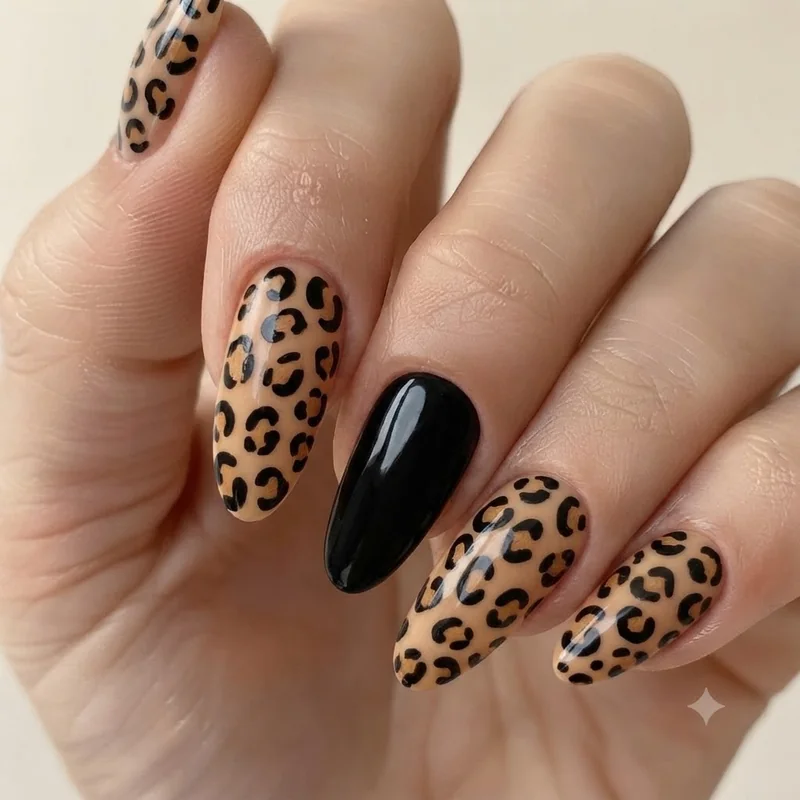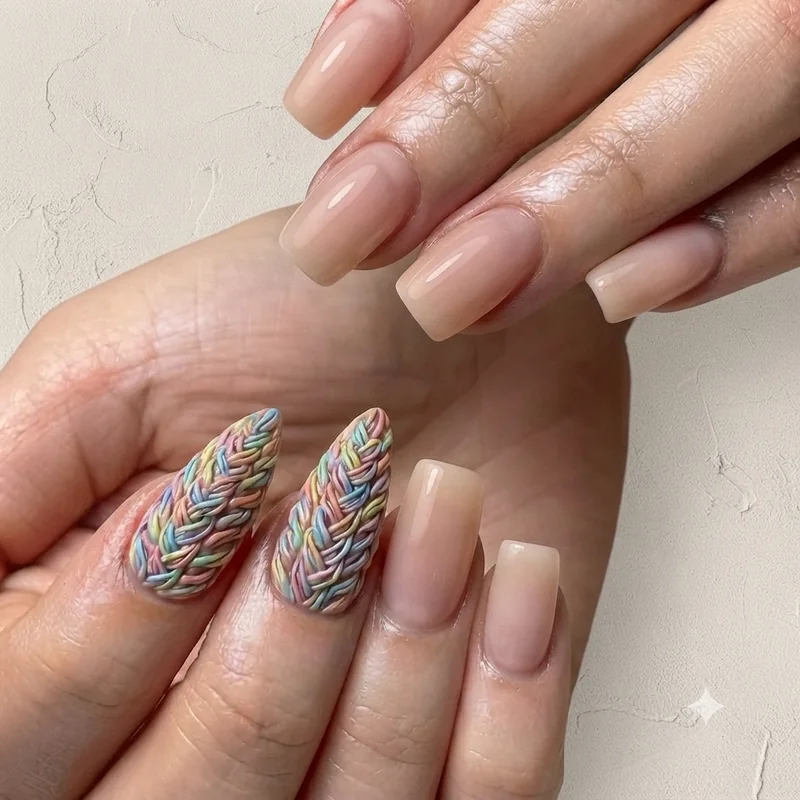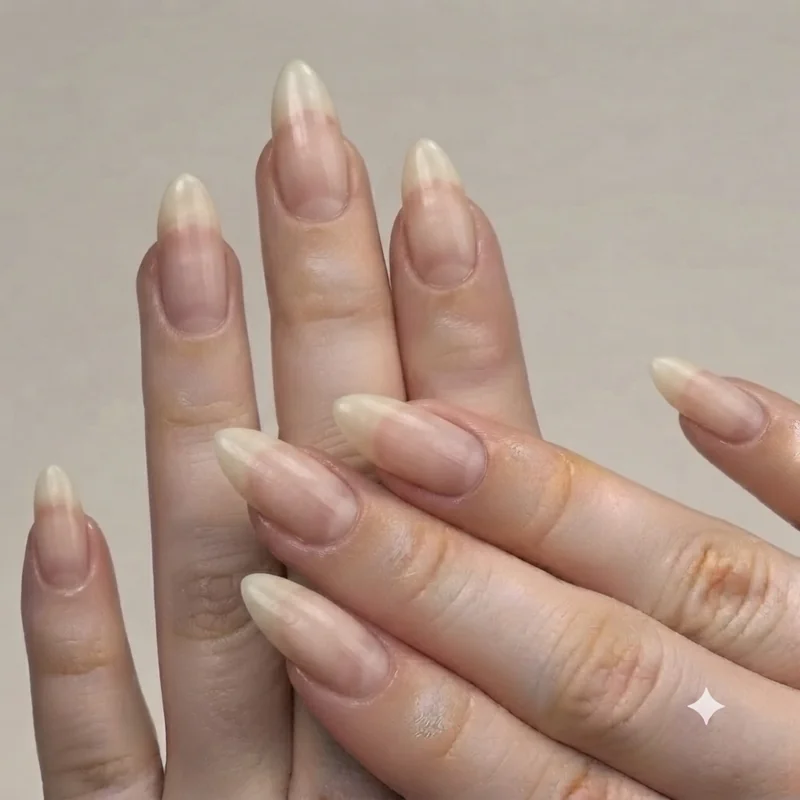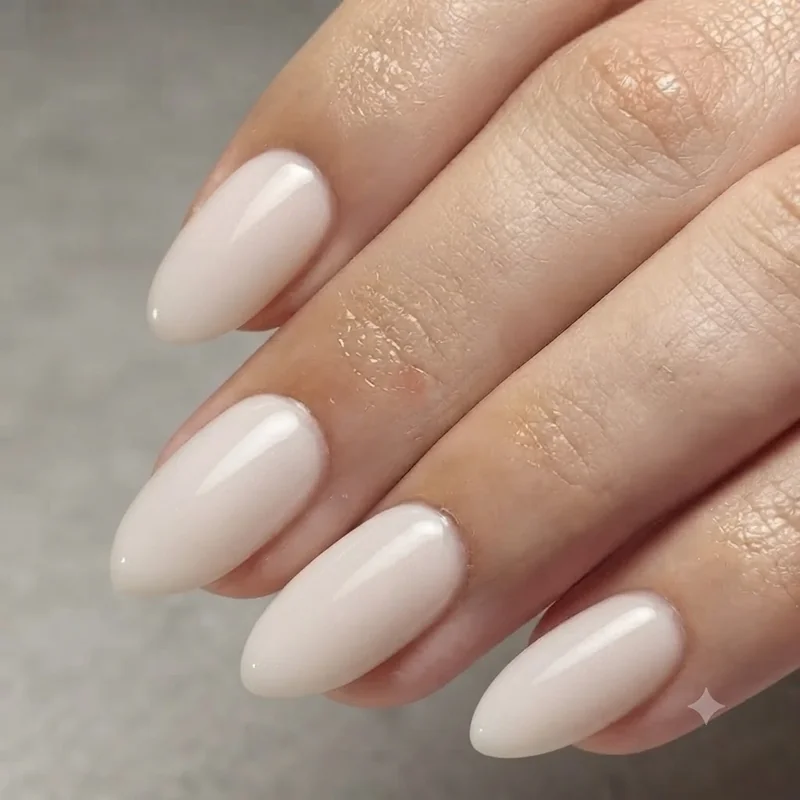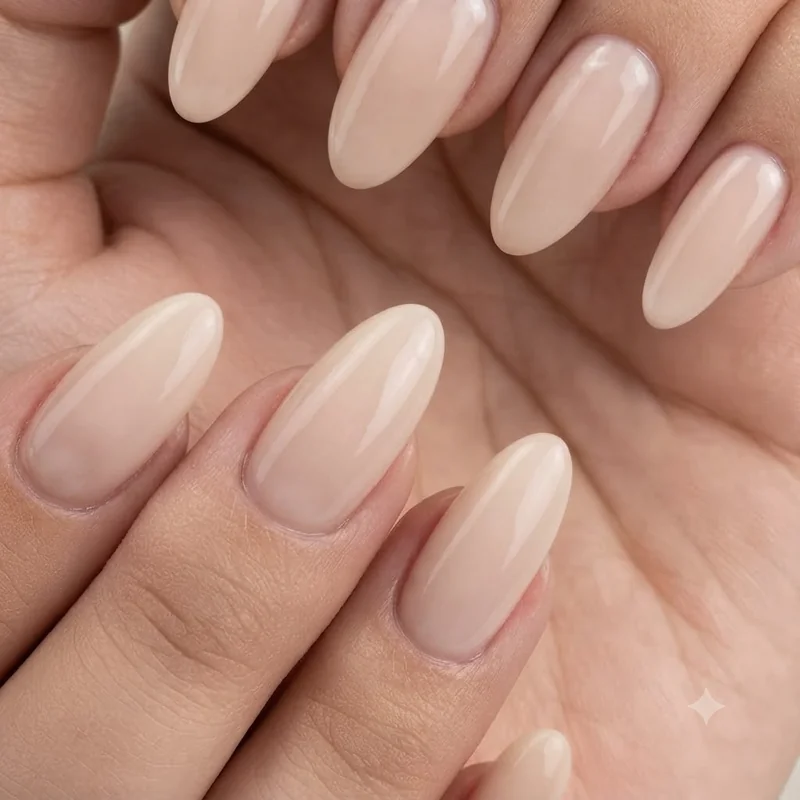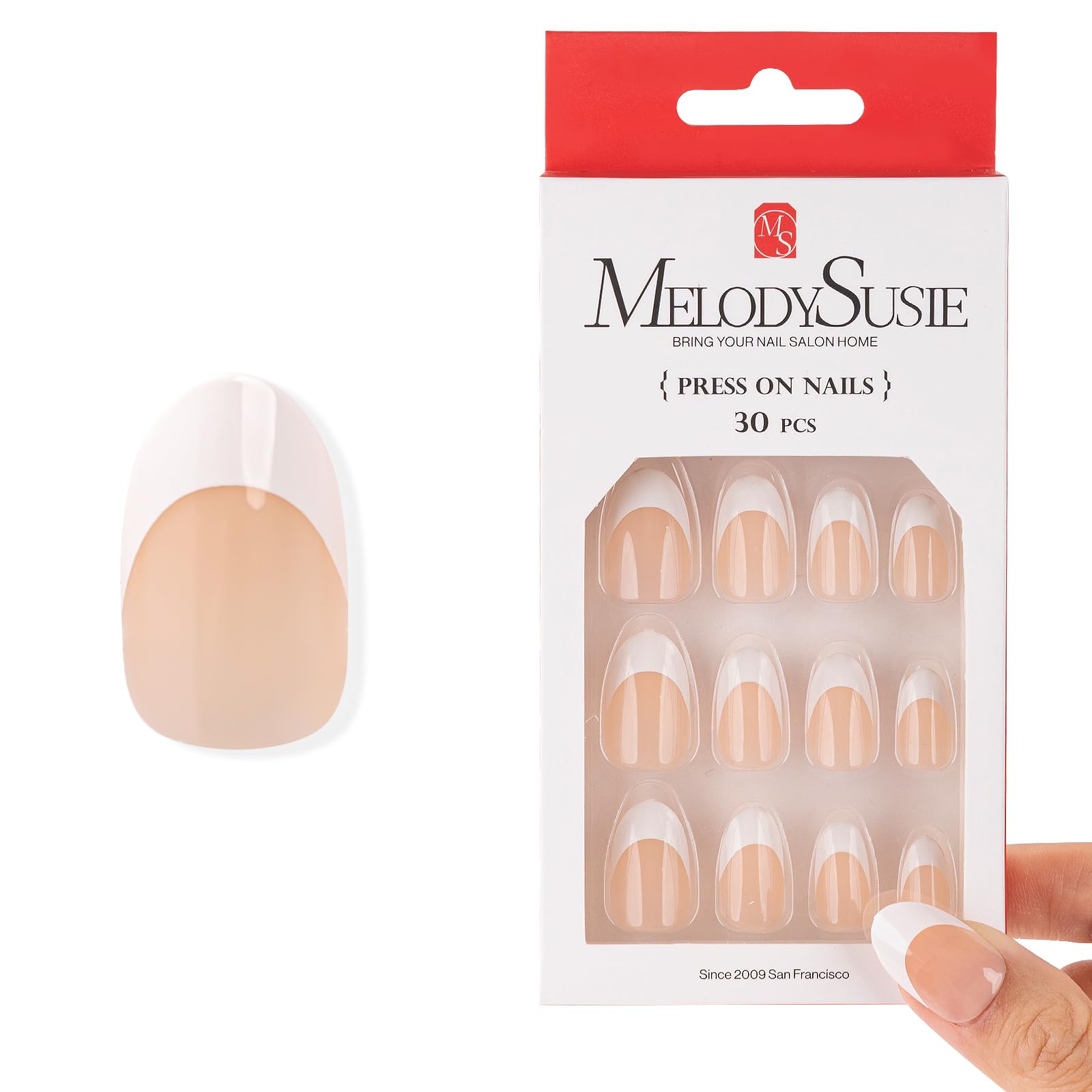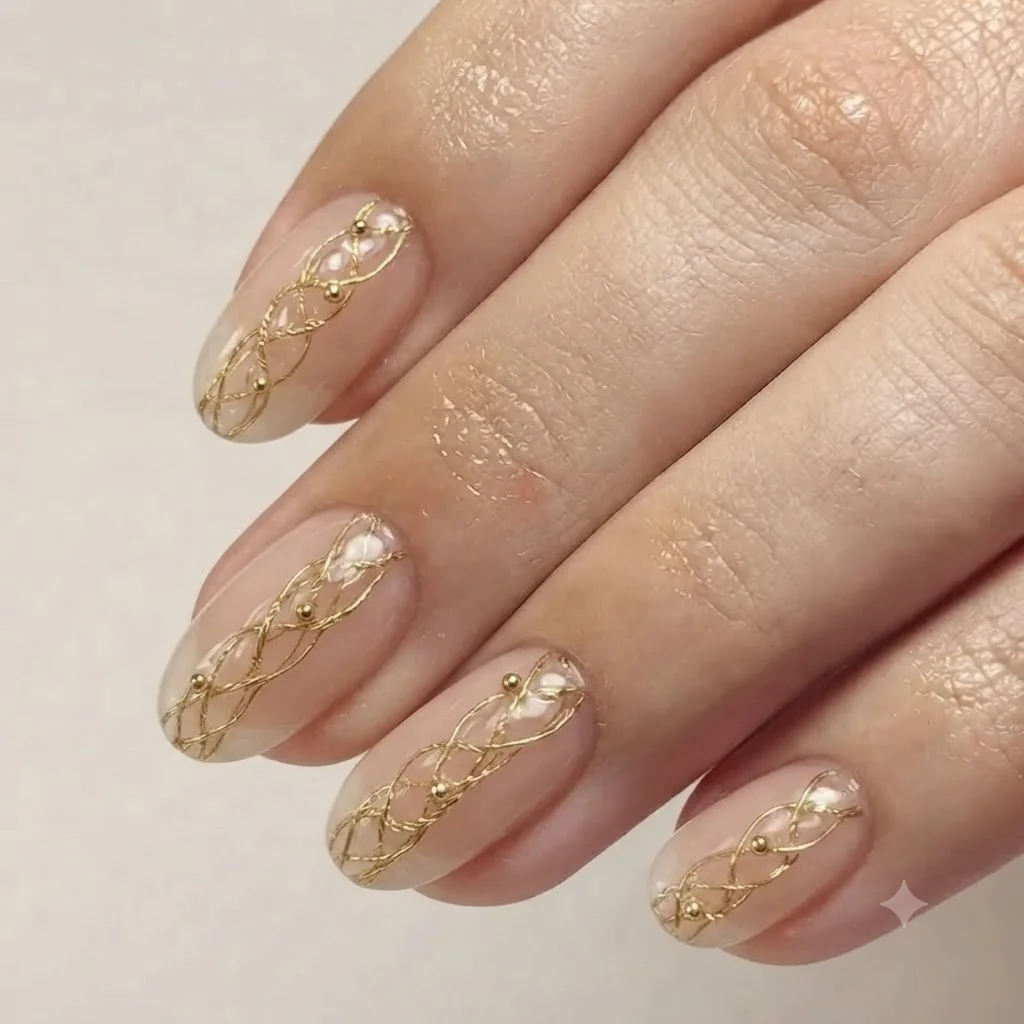
Braider nails are not painted braid-pattern nail art. They are a mixed-length manicure where the thumb, pointer, and middle finger stay short for grip and precision, while the ring and pinky go long and take the design detail. If you have scrolled past that misconception online, this is the correction, and the format itself is worth understanding properly before you pick a design.
You have seen the term everywhere lately, usually attached to a photo that has nothing to do with actual braiding. Most of what ranks for "braider nails" right now shows nail art shaped like a plait, which is a different thing entirely and a genuine source of confusion if you are trying to describe this set to your nail tech. What you actually want, if you braid, twist, or loc hair for a living or for fun, is a set that lets you keep working with your hands without sacrificing the point of getting your nails done in the first place. Braiders can have pretty nails too. This is how.
What Are Braider Nails, Exactly?
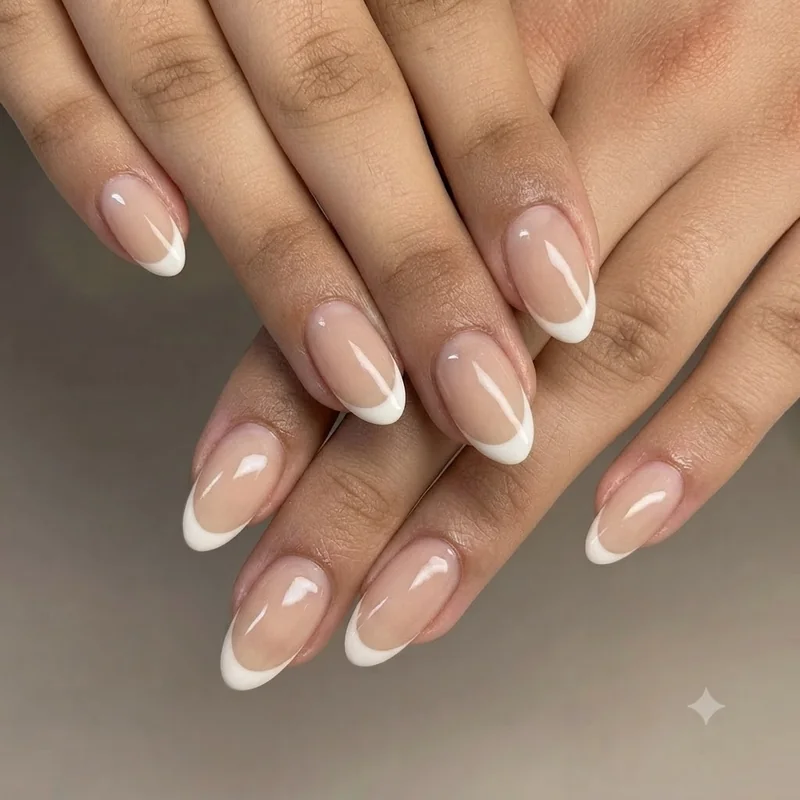
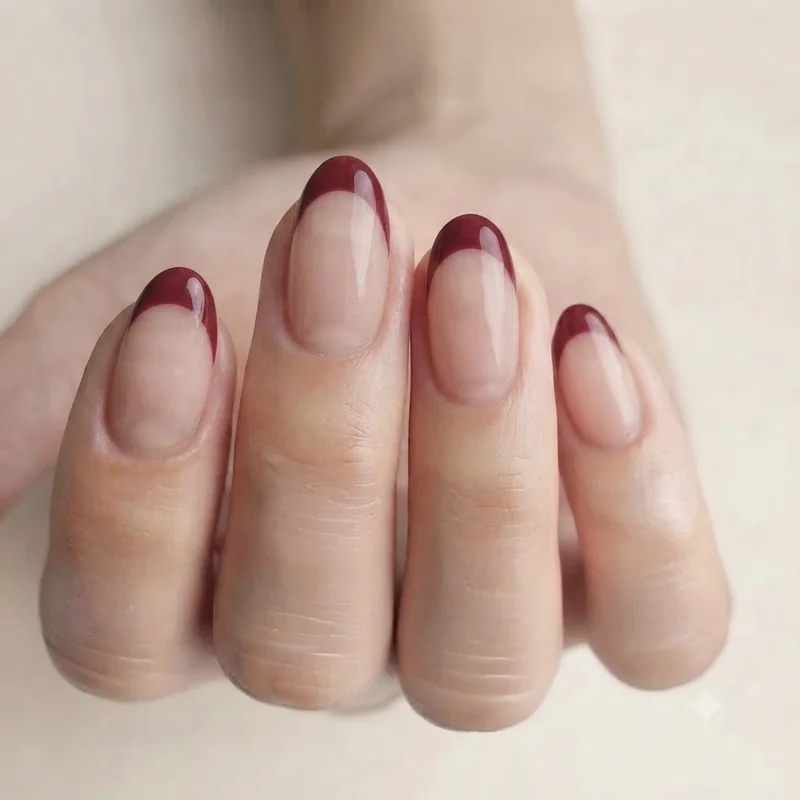
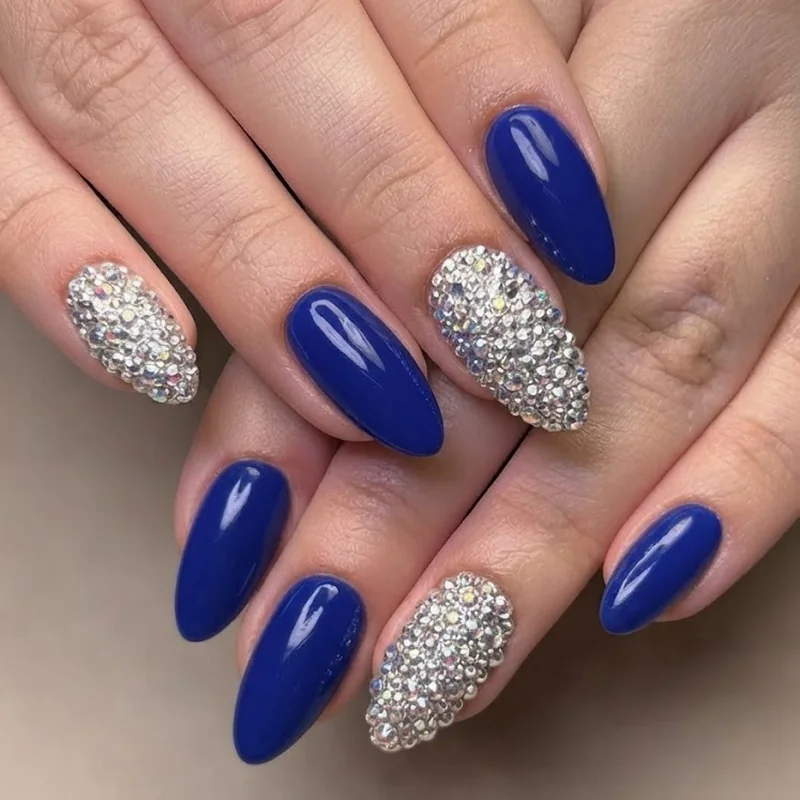
Most people assume "braider nails" describes a pattern, something drawn on with polish to mimic the look of a plait. It doesn't. Braider nails are a functional mixed-length set: short on the thumb, pointer, and middle finger, longer on the ring and pinky, worn by stylists and clients who need to protect grip and precision on their most-used fingers.
The confusion is understandable given how the term shows up in search results, but the mechanical rule is the whole story. Three fingers stay short because those are the fingers doing the actual work, parting sections, gripping hair at the root, controlling tension on every stitch. The ring and pinky finger see far less friction during a braiding session, so they're free to carry length, shape, and whatever design the rest of the hand can't. This isn't a style choice dressed up as a rule. It's a rule that happens to leave plenty of room for style. A loctician on Lemon8 put it plainly: she's a "nail girly at heart" who still needs her thumb, pointer, and middle kept short so a fill appointment doesn't turn into a broken nail mid-client. That's the set, in one sentence.
Why Braiders Keep Three Fingers Short
Picture the middle of a fill appointment. You're three hours in, sectioning a client's hair for the fifth row, and every part depends on your pointer and thumb landing exactly where you meant them to. A long nail on either finger doesn't just get in the way, it changes how much control you have over the part itself.
That's the practical case for the short fingers, but it isn't the only one. Braiders and loctitians use their thumb, pointer, and middle constantly, for parting, for gripping strands at the root, for controlling tension section by section. A long nail on any of those three turns a routine motion into a liability, and a broken nail mid-appointment is worse than an inconvenience when you're the one holding the client's hair. Keeping those three fingers short is about precision and durability, not giving something up. The ring and pinky rarely take that same pressure, so the length and the detail live there instead. It's a trade, not a sacrifice, and it's why "just because you do hair all day doesn't mean your nails can't be cute" has become something close to a rallying line in this community.