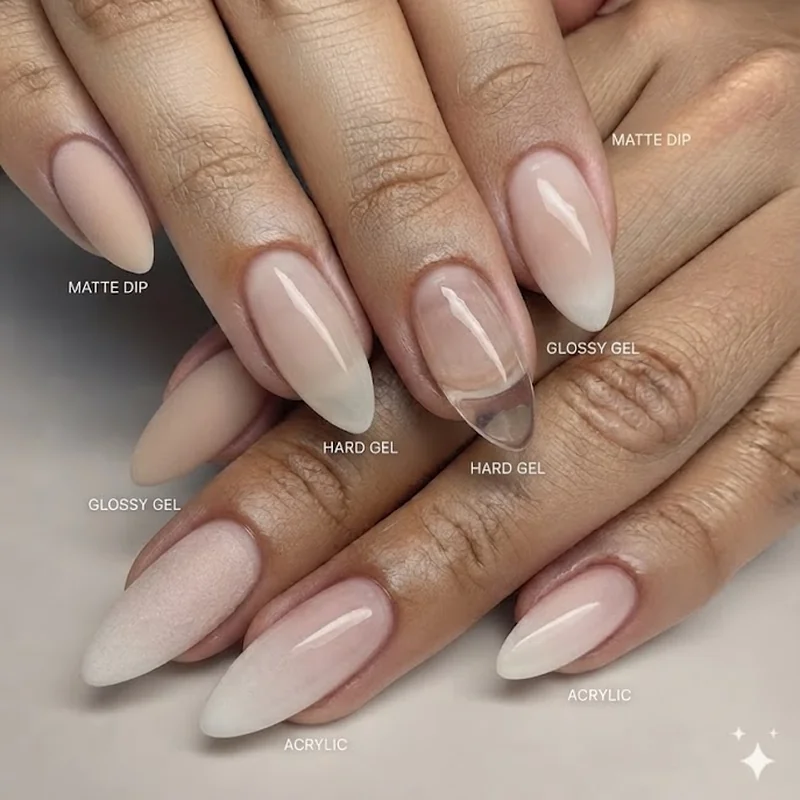
Gym nails hold up best in a round or squoval shape, kept short to medium, finished in gel or dip powder instead of standard polish or soft acrylic. That combination resists the grip pressure, sweat, and chalk exposure that break down a manicure fastest during lifting. But shape and finish are only half the story, because the reader who refuses to cut her nails short deserves more than a shrug.
You shouldn't have to choose between a fresh set and a real workout. Somewhere between the "just go short" crowd and the "I refuse to give up my length" crowd sits every gym nails guide that has ever been written, and most of them pick a side, tell you to trim down, and call it a day. That's fine advice for one kind of reader. It's useless for the other. This one covers both, including the part almost nobody bothers to explain: the grip technique that actually protects your nails while you lift, whatever length you're working with. First world problems, sure. Still worth solving properly.
The Best Nail Shapes for Gym Goers
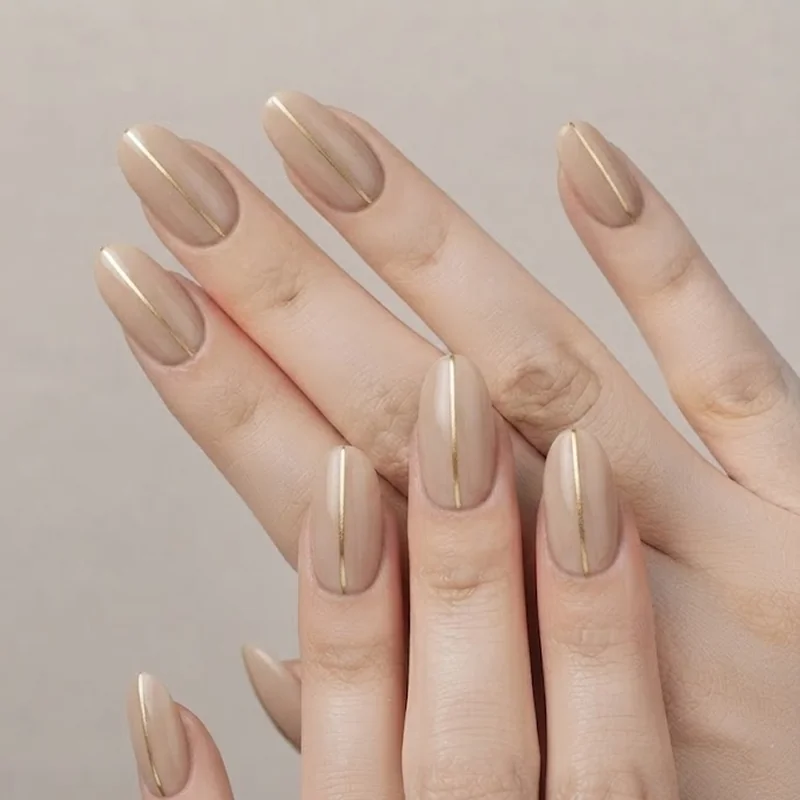
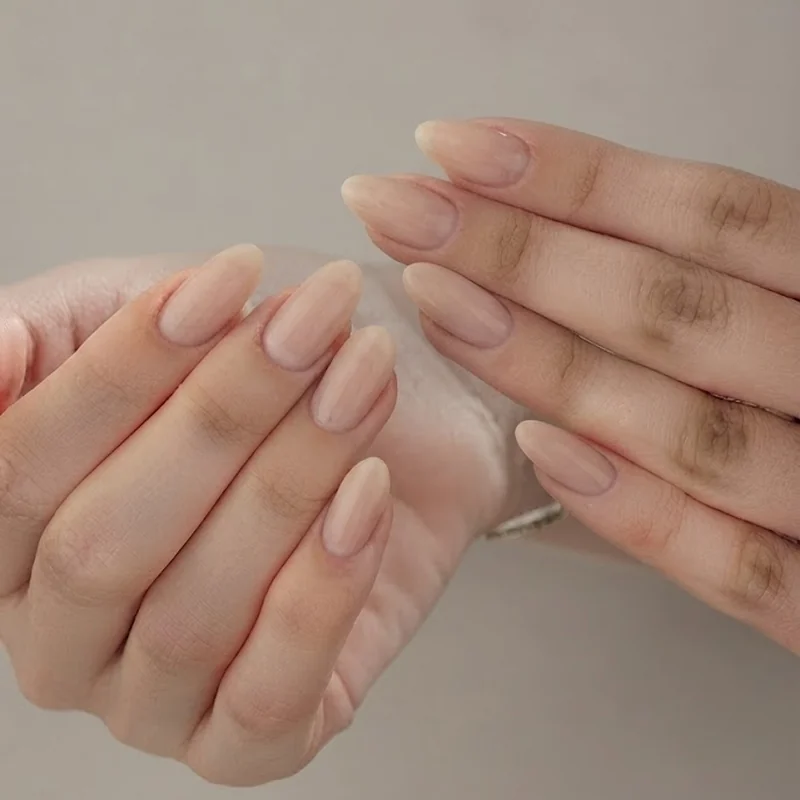
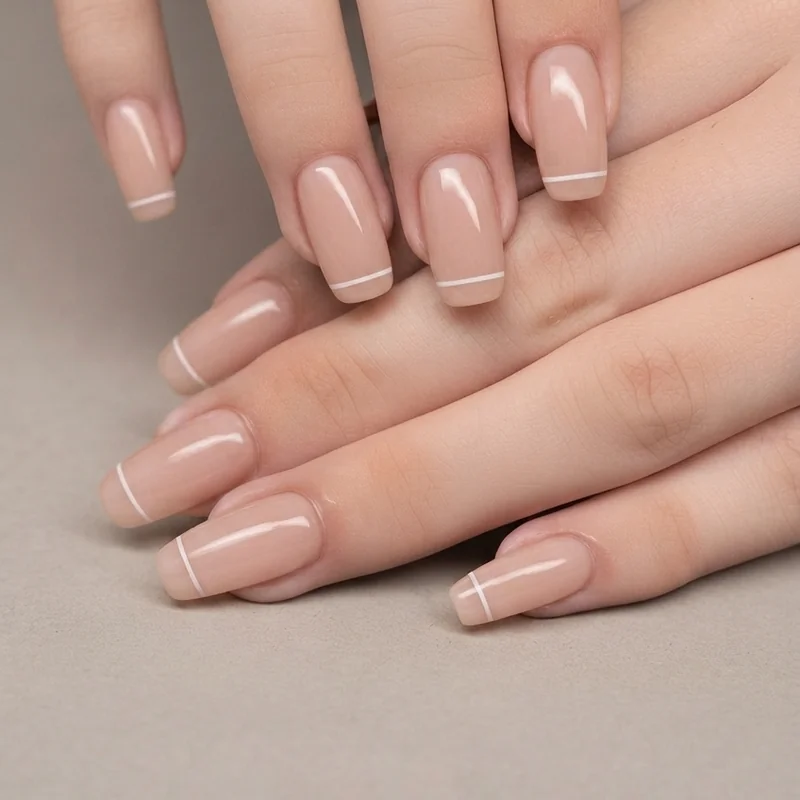
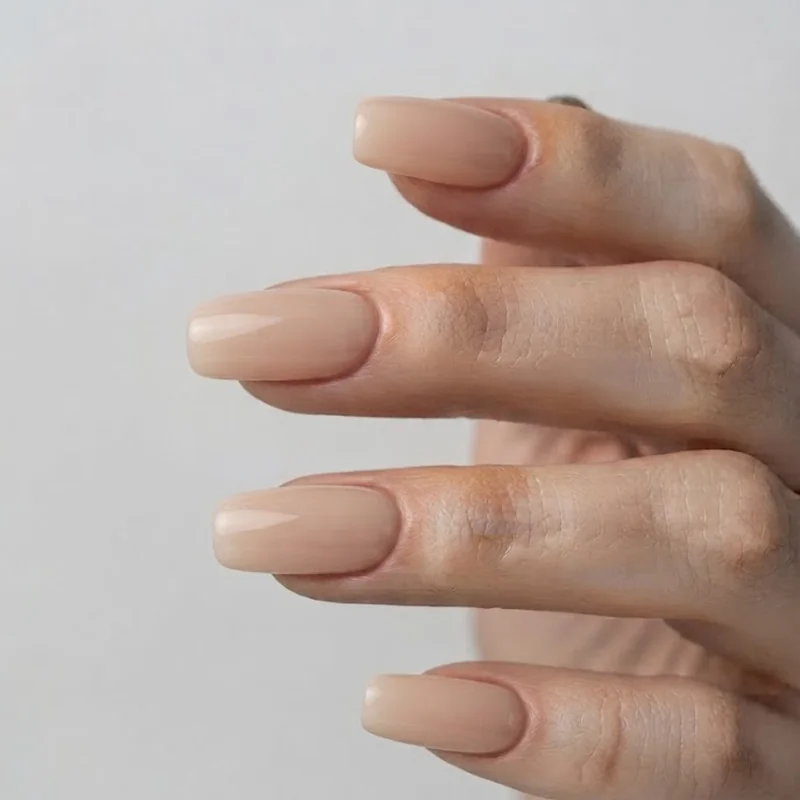
Round and squoval are the two shapes that consistently survive a real lifting session, and neither one is a compromise. Round distributes pressure evenly across a wide, rounded free edge with no sharp corner to catch or snap. Squoval does the same while keeping a slightly squared look at the tip, which is why it reads as more polished without giving up any of round's durability.
Squoval is a square nail shape with softened, rounded corners that combines structural strength with reduced snag risk. That corner is exactly where almond and stiletto shapes concentrate stress, and it's exactly where they fail first under a barbell.
Durability here isn't purely about shape choice either. Nail bed width and C-curve play a real role in how nail bed width and curve affect durability, which is part of why the same shape lasts three weeks on one lifter and ten days on another. A wider nail bed with a deeper curve simply has more structural support built in before a finish ever gets applied.
This isn't unique to the gym, either. The same physically demanding logic shows up in nails for manual labor and in nails for gardeners, where repeated hand stress rewards the same rounded, reinforced shapes over anything sharp or fragile at the tip. If a shape survives digging in soil or handling tools all day, it survives a deadlift.
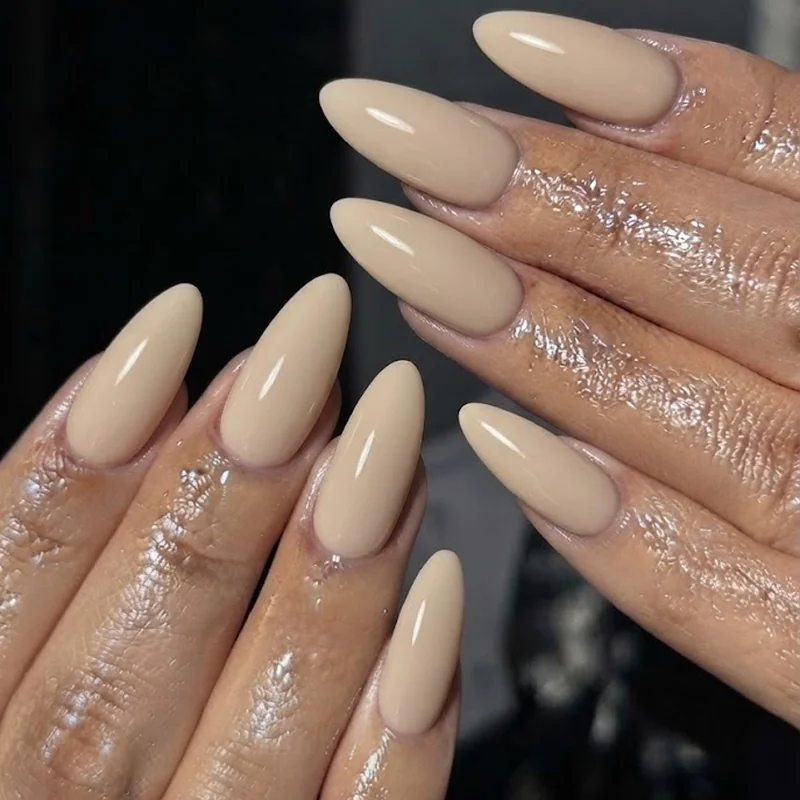
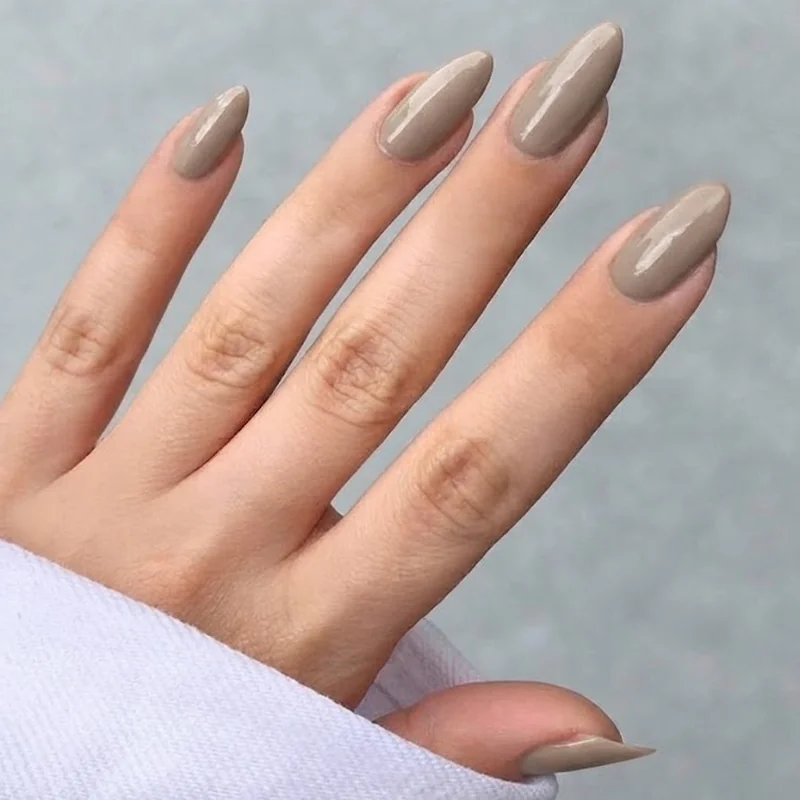
Almond and stiletto aren't banned from the gym entirely. They're simply higher-maintenance choices that ask more of your grip technique in return for the length and taper they offer. A reader set on either shape isn't wrong to want it. She just needs the grip section below more than a round-shape lifter does, and that trade-off is worth knowing before you sit down in the chair.
How Long Should Your Nails Be for the Gym?
Short to medium length, sitting at or just past the fingertip, is the safest range for weightlifting. Anything longer increases leverage against the free edge every time you close your hand around a bar, which is the exact motion that snaps a nail mid-set.
Length works against you mechanically before it works against you visually. The longer the free edge, the more torque it takes on when it presses into a barbell, a dumbbell handle, or a resistance band. Short to medium isn't a punishment. It's the length where that torque stays manageable.
Think of it as leverage math, not a style rule. A free edge that extends past the fingertip by even a few millimeters gives an object pressing against it more room to bend it backward before it snaps forward again. That's the exact motion behind most gym breaks, and it has nothing to do with how strong the finish is underneath.
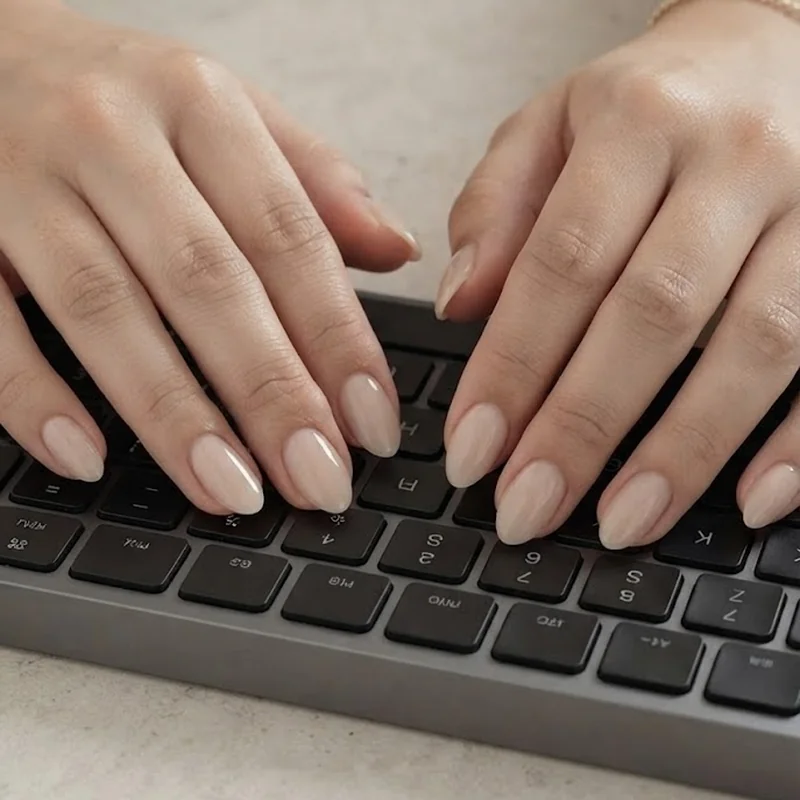
That doesn't mean every gym session demands the same trim. A reader juggling a desk job alongside her training might land on a slightly different sweet spot, and it's worth checking best nail shape for typing if comfort at a keyboard matters just as much as comfort under a bar. The two needs overlap more than people expect.