You've been told, directly or by omission, that nice nails and a physical job don't mix. That's not true, and it stops being true the moment you understand why nails for manual labor actually fail. They don't fail because hands get dirty or wet. They fail from impact against hard surfaces, constant grip pressure on tools, and friction inside gloves, mechanical stresses most nail advice never addresses because it was written for nurses and office workers, not for you. Nails for manual labor can look genuinely good and survive a full shift, once shape, length, and reinforcement are chosen for those exact stresses instead of borrowed from someone else's job. That's the plan here: shape first, then material, then the glove problem nobody else has answered.
Why Nails for Manual Labor Fail Differently Than Everyone Else's
Most durability content lumps manual labor in with "hardworking hands," a bucket that also includes nurses scrubbing in fifteen times a day and parents doing dishes. That framing misses the actual mechanism. A nurse's nails fail from water and sanitizer breaking down the polish over time. Yours fail from something closer to blunt trauma: a wrench slipping, a pallet corner catching the free edge, a tool pressed against the nail bed for the fortieth time in an hour.
Water exposure is slow and chemical. Impact is sudden and mechanical, the difference between a manicure that thins out gradually and one that snaps off mid-shift. Tool grip adds a second stressor: sustained pressure against the underside of the nail, flexing the free edge repeatedly until whatever's holding it gives out at the weakest point. Gloves add a third, distinct failure mode: friction and heat trapped against the nail plate for hours, which is what actually causes press-ons and polish to lift, not the glove itself.
This is why generic durability advice underperforms for hands-on trade work: it's solving for the wrong stress. The same logic shows up with gym nails, a related but not identical problem. Lifting puts repeated compressive force on the nail bed, similar to gripping a tool, but without the impact-against-hard-surfaces element that defines a lot of manual labor days.

The Best Nail Shape and Length for Manual Labor
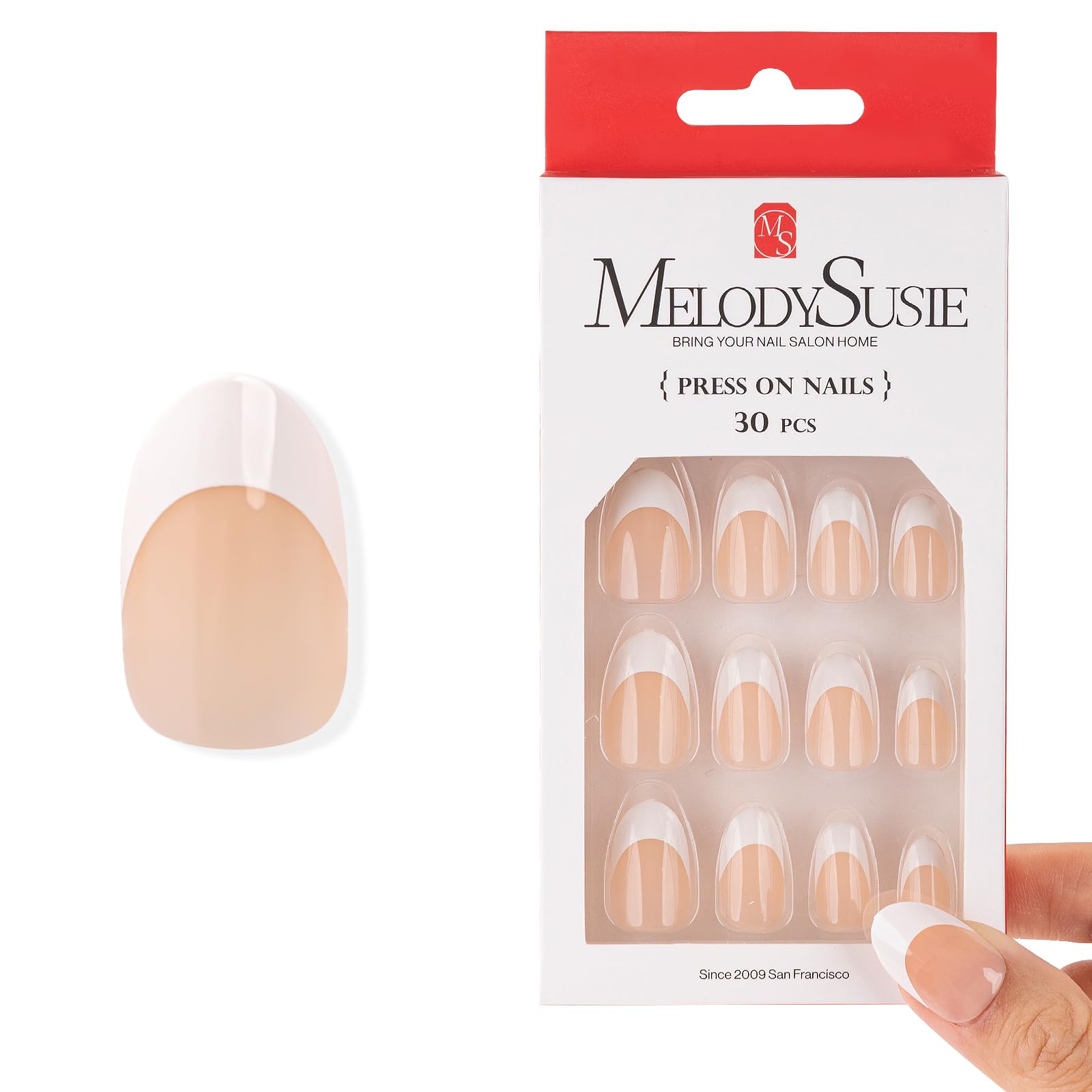
The best shape for nails for manual labor is short squoval with a free edge under a quarter inch, reinforced with a structural overlay. Squoval keeps the strength of a square tip without the sharp corners that catch on tools, fabric, or glove liners. Length is the bigger lever than shape alone: anything longer than that quarter-inch mark dramatically increases leverage against impact, which is exactly what breaks nails on a jobsite rather than in a kitchen sink.
Length matters more than most people expect, because a nail is essentially a lever arm. The longer the free edge, the more force gets transferred back into the nail bed every time the tip makes contact with something, a tool, a box, a car door. Cut that length down and you cut the leverage down with it. That single change does more for durability than any polish or overlay choice that follows.
Shape comes second, but it's not arbitrary. A squared corner is structurally strong in isolation, which is why square nails get pushed hard in durability marketing, but square corners are also the first thing to catch and chip on a rough surface or a glove edge. Rounding those corners into squoval keeps most of the structural strength while removing the catch points, the same reasoning behind why round or squoval shapes show up across nearly every hands-on lifestyle category, including best nail shape for typing recommendations built around snag resistance during repetitive hand use.
The other lever worth understanding is C-curve. C-curve describes how tightly a nail's free edge curves from sidewall to sidewall, and a tighter C-curve creates a stronger, more impact-resistant structure than a flat one. A tighter curve distributes impact force across the nail instead of concentrating it at one point along the edge, the difference between a nail that survives a knock and one that cracks on the first hit.
For the fuller picture before narrowing to a manual-labor-specific pick, a full breakdown of all five basic nail shapes and how each one wears over time covers how each shape holds up beyond this one use case. For this job specifically though, short and squoval with a tight C-curve is the starting point everything else builds on.