Chlorine Resistant Nails by Swim Frequency: Which Format Wins
Gel nails under daily swimming typically hold for 5 to 8 days before edge lifting starts, roughly a third of the usual two-to-three-week window non-swimmers get. That number changes with the gel system: standard soak-off gel fails fastest, while buff-off hard gel stretches closer to 10 to 14 days because it relies on mechanical adhesion rather than a soak-off bond alone.
If you swim casually, a few sessions a month, standard soak-off gel works fine as far as chlorine resistant nails go. The exposure is too infrequent to meaningfully stress the bond, and a normal three-week gel cycle holds close to schedule.
Daily swimmers are a different case. At that frequency, soak-off gel is fighting a losing chemical battle from day one. Buff-off hard gel systems are worth the switch, since the stronger mechanical bond outlasts the oxidizing effect noticeably longer. This is where the format decision actually matters, and it echoes what shows up across other high-repetition routines too. Anyone who has researched gym nails for durability under constant physical stress will recognize the same logic: the format has to be chosen for the repetition, not the occasional best case.
Competitive swimmers and instructors spending 15 to 20 hours a week in the water need a shortened maintenance cycle no matter which format they choose. A hard gel fill every 10 to 12 days, instead of the usual three weeks, is the realistic baseline. At that exposure level, chasing chlorine resistant nails stops being about which product survives longest and starts being about which maintenance rhythm you're actually willing to keep.
Gel vs. Acrylic vs. Press-Ons for Swimmers: The Honest Breakdown
Buff-off gel is a hard gel system cured under UV or LED light and removed by filing it down rather than soaking it off. Soak-off gel is a softer gel formula designed to dissolve in acetone for easy removal, which also means its bond is inherently more vulnerable to the chemical breakdown chlorine causes. That distinction is the entire reason one holds up better for frequent swimmers seeking real chlorine resistant nails.
Acrylic tells a similar story to soak-off gel, just with different chemistry. The powder-and-liquid bond is strong initially, but chlorine exposure accelerates lifting at the edges the same way it does with soak-off gel, particularly around the cuticle line where water pools during a swim. Acrylics aren't a safe default for daily swimmers just because they're marketed as tougher than polish.
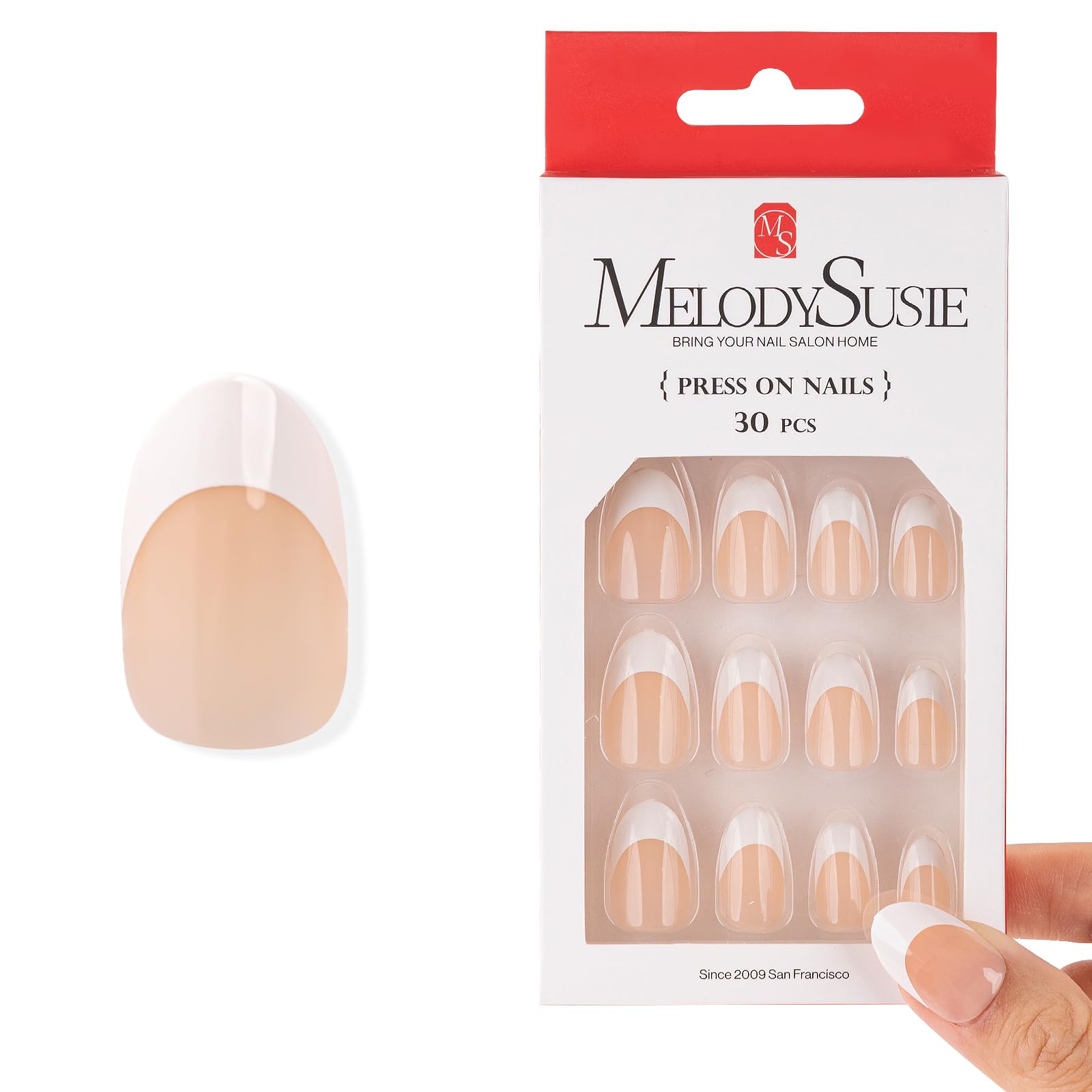
Are press-on nails good for swimming? Yes, and this is the option most guides skip. A quality press-on set with a strong adhesive tab can outlast soak-off gel for daily swimmers, because the failure point is different: it's an adhesive bond to a flat surface rather than a cured gel bond fighting oxidation over weeks. For swim instructors or anyone swimming daily who doesn't want hard gel fills, press-on nails for active lifestyle are a genuinely practical answer, not a compromise.
The trade-off comes down to maintenance rhythm versus upfront durability. Gel needs salon visits. Acrylic needs fills. Press-ons need replacement but can be done at home in minutes. None of them is chlorine-proof in an absolute sense. Knowing how to tell if a nail polish formula is actually built to resist chipping helps here too, since the same bond-strength logic applies to picking a topcoat for touch-ups between fills.
The Pre-Swim Routine That Actually Works
Prep work is not a formality. It is the actual determining factor in how long any format holds, and skipping it costs more wear time than switching products ever will. This applies to every format equally, gel, acrylic, and press-ons alike.
Apply cuticle oil generously around the nail bed and cuticle line 10 to 15 minutes before getting in the water. This creates a thin barrier that slows chlorine penetration at the exact point where chlorine resistant nails fail first, the edge where nail meets skin. It's a small step that gets skipped constantly, and it's the highest-leverage move in this entire routine, more effective than any single product swap.
How often should swimmers reapply top coat? Every 3 to 4 days for regular sessions, and immediately after any swim longer than an hour. A fresh top coat layer seals microscopic surface damage before it becomes visible lifting, and this one habit does more for genuine chlorine resistant nails than switching brands ever will.
If you're prepping a set ahead of a swim-heavy trip, whether a beach vacation or a pool-side event, build in a few extra days of buffer before departure so the set fully cures. The same logic behind travel nail care holds here: a manicure done the night before heavy water exposure fails faster than one given proper cure time.