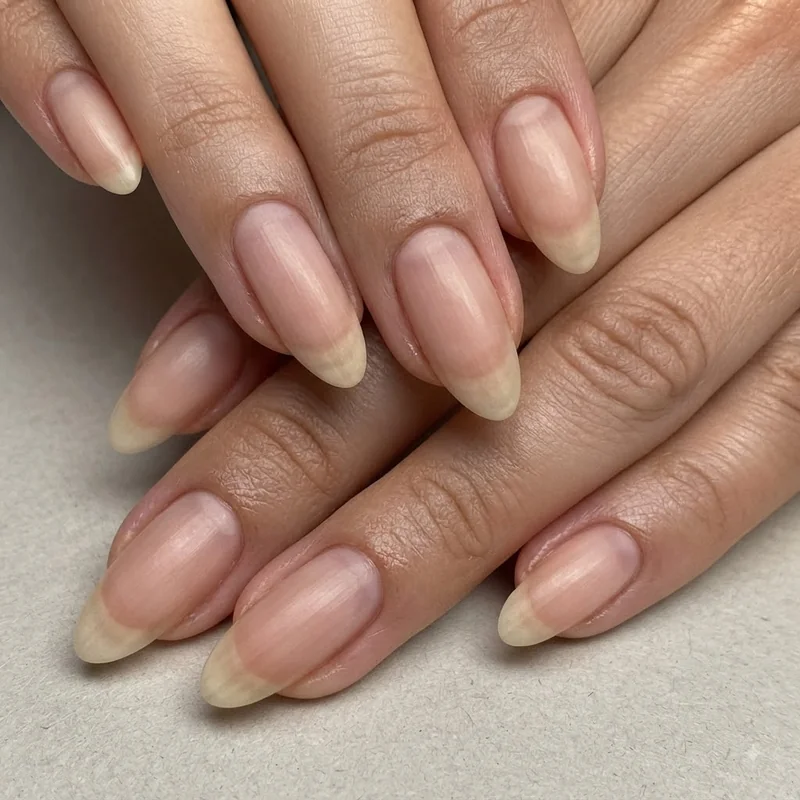
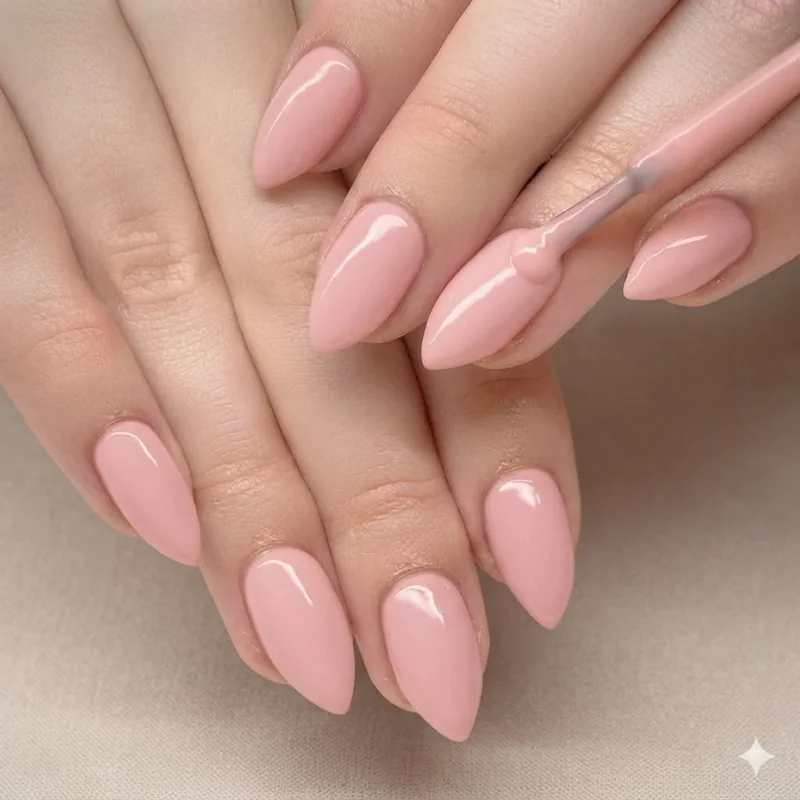
Quick manicure routines fail for one reason more than any other: the drying step gets treated as dead time instead of part of the technique. Painting your nails takes five minutes. Waiting for them to dry without smudging is where most people lose the whole routine, reaching for their phone or their car keys before the polish has actually set. A quick manicure that respects the clock honestly, drying time included, genuinely fits inside 10 minutes. This guide walks through the exact order, the timing, and the one drying trick that stops the smudge before it happens.
Byrdie and Allure both treat quick routines as a stripped-down version of a full manicure. What neither source does well is name the drying window as its own deliberate phase with its own technique, which is exactly where this routine differs. Every step below exists because it earns its place in a ten-minute window, prep through polish through the moment your hands are finally safe to use again. This is not a compromise version of a manicure. It is a complete quick manicure system, timed honestly from the first file stroke to the last dry nail.
How Long Does a Quick Manicure Actually Take?
Most people assume a rushed manicure means rushed drying, and that assumption is exactly what causes the smudge. A realistic quick manicure takes 8 to 10 minutes total: roughly 3 minutes of prep, 3 minutes of polish application, and 3 to 4 minutes of active drying technique. Skip the drying phase and the whole routine collapses at the finish line.
That timing only holds if drying is treated as a phase with its own steps, not a pause. A regular top coat left to air-dry on its own can take 20 to 60 minutes to fully harden, which is where "quick" routines usually fall apart. Build the acceleration into the routine itself and the total stays honest. Humidity and room temperature both shift these numbers slightly, but the order of operations, thin coats followed by an active drying technique, holds regardless of the room you're painting in.
If you're weighing polish against a gel manicure or press-ons for a night when speed actually matters more than a home routine, gel vs press-on vs regular polish time comparison breaks down which option wins when the clock is the priority.
What You Need Before You Start (Keep It Minimal)
You do not need a full salon cart for a quick manicure. A nail file, a buffer block, a cuticle pusher, one base coat, your colour, and a genuine quick-dry top coat. Six items, nothing else required.
Skip anything marketed as a "kit staple" that doesn't directly touch one of the five steps in this routine. Cuticle oil is lovely but it belongs after the manicure, not during it, since oil on the nail plate before polish will stop everything from adhering properly. Nail polish remover and a few cotton pads earn a spot too, kept nearby for the clean-up pass around the cuticle line once colour is on. Keep your tools within arm's reach before you start; the ten-minute clock includes the time spent hunting for a buffer block in a drawer.
Lay everything out in the order you'll use it, left to right: file, buffer, pusher, base coat, colour, top coat. That small bit of setup, done before your first file stroke, is what keeps a quick manicure routine from stalling halfway through while you dig through a bag for the top coat you forgot to pull out.
If you'd rather skip polish altogether on a night with even less time, 5-minute nail art ideas pairs well with this same fast-prep foundation.