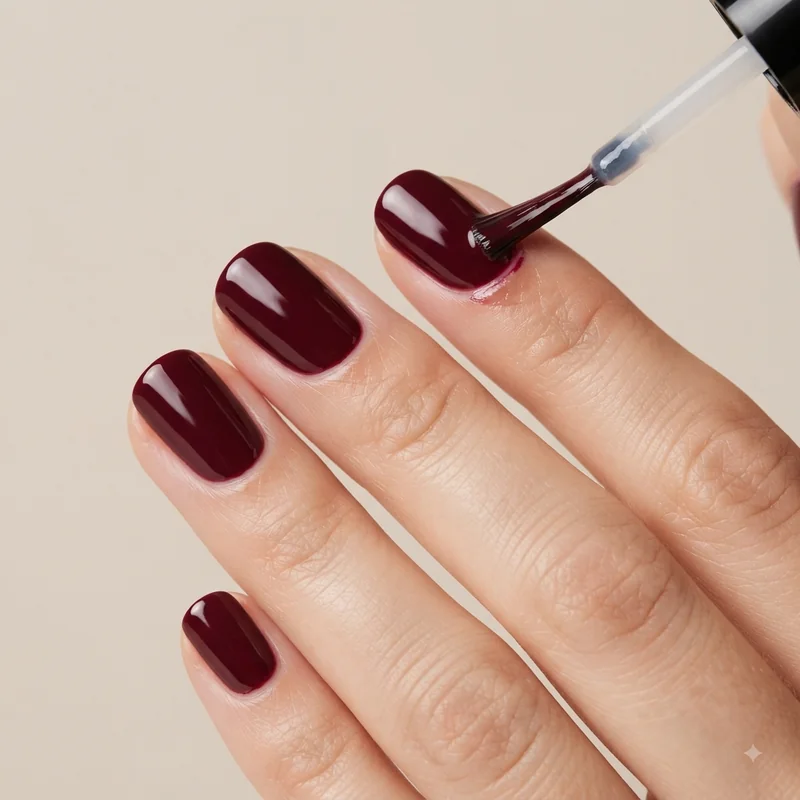
Nail art non dominant hand attempts usually go one of two ways: one hand looks like you paid for it, and the other looks like it fought back. That gap is not a permanent skill ceiling. It is a mechanical problem with a mechanical fix, and this is the full version nobody else has written out.
Most guides bury the actual technique inside a general "how to paint your nails" post, or dress up a product pitch as a tutorial. This one does neither. What follows is the real fix for nail art non dominant hand work: which hand to paint first, how to brace your wrist so it stops shaking, and how to separate plain polish technique from actual nail art once the base is under control. No platitudes about practice. Just the mechanics.
Which Hand Should You Paint First? (Settling the Debate)
Search this question and you will find three different answers arguing with each other. Here is the one that actually holds up under use.
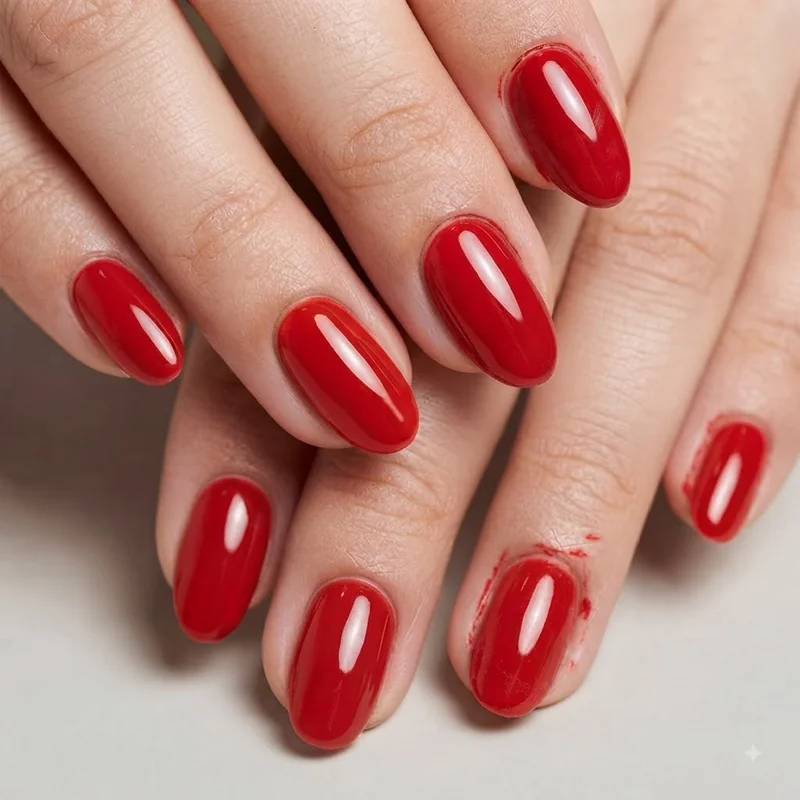
Paint your dominant hand first, using your non-dominant hand. Yes, that means your weaker hand does the harder job first, but it also means your dominant hand, the more capable one, is free to handle the cleanup and correction work on your non-dominant hand afterward. You are more likely to flood the cuticle on the hand your non-dominant hand paints, and cleaning that up is far easier with your steady hand holding the brush than the other way round.
This resolves the sequencing debate for good on nail art non dominant hand attempts: dominant hand first, non-dominant hand second, cleanup last with whichever hand is doing the wiping. Within each hand, paint pinky to thumb. Your thumb sits at a different angle to the other four fingers, and painting it last avoids gravity dragging the polish sideways before it sets.
Why Your Non-Dominant Hand Is So Much Harder to Paint
Your non-dominant hand is not clumsy. It has simply never been trained for fine motor precision the way your dominant hand has, through years of writing, holding cutlery, and every small repetitive task that quietly built up control you never noticed you were developing.
That skill gap is real, but it is narrower than it feels. Painting nails is a fine motor task your dominant hand has effectively been rehearsing for decades. Your non-dominant hand is starting from close to zero, which is why the same brush and the same polish produce wildly different results depending on which hand is holding them. This is not a personal failing. Working nail technicians, people who paint hands for a living, report the exact same gap between their two hands. If you are also newer to nail art in general, our guide to easy nail art for beginners is worth reading alongside this one, since some of the base skills overlap.
Reframe the problem correctly and the fix becomes obvious: you are not trying to make an inherently unsteady hand behave. You are compensating for a hand that lacks trained fine motor control, and that gap closes with the right mechanical support, not raw willpower.