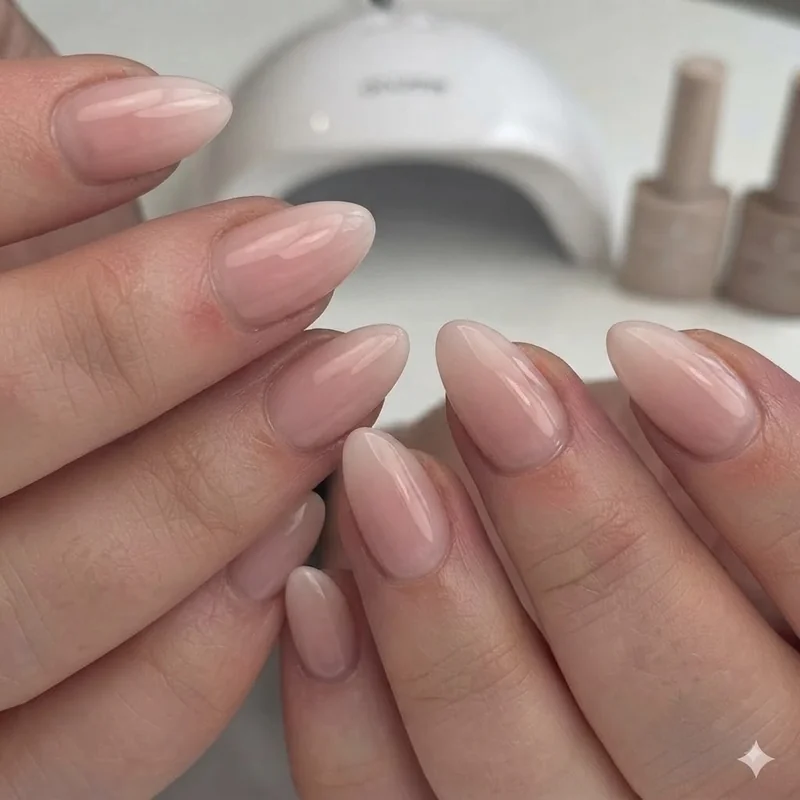
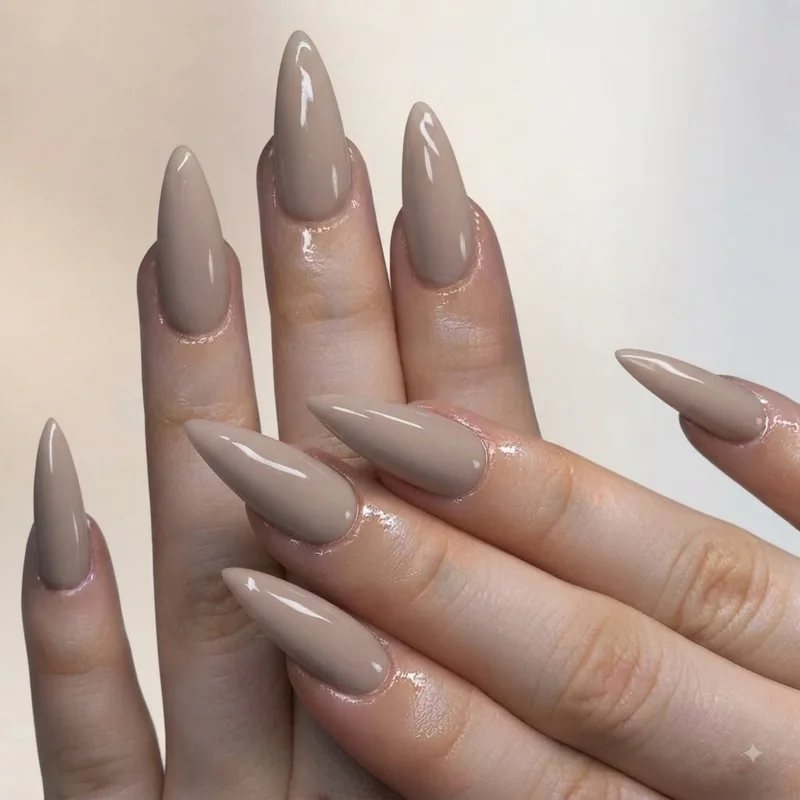
How Long Do Press-On Nails Take to Apply?
Fifteen minutes before you have to walk out the door, and your natural nails look like they need a decision made about them right now. This is the exact moment press-ons earn their reputation.
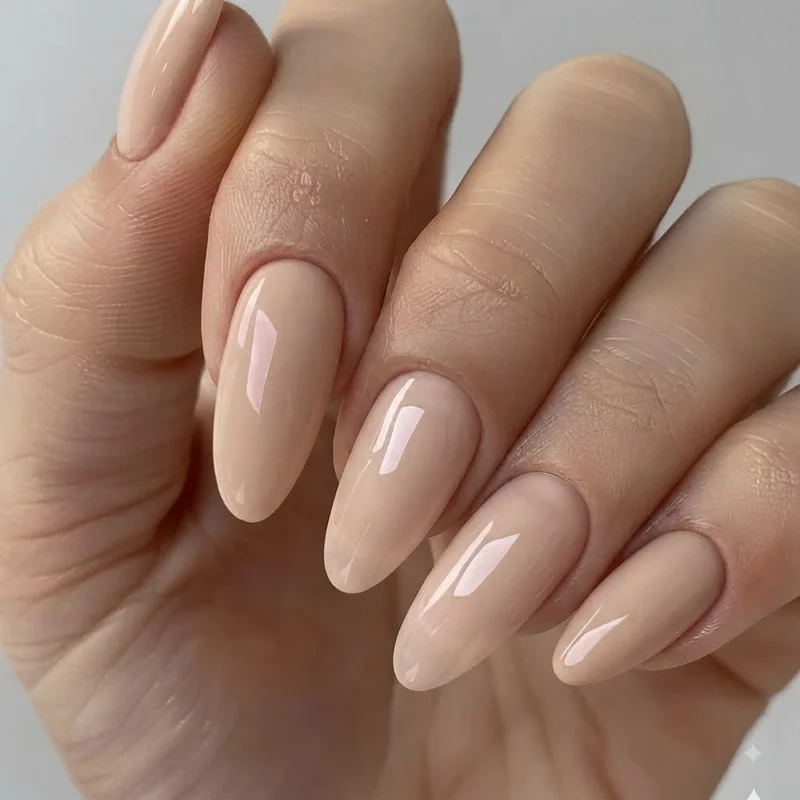
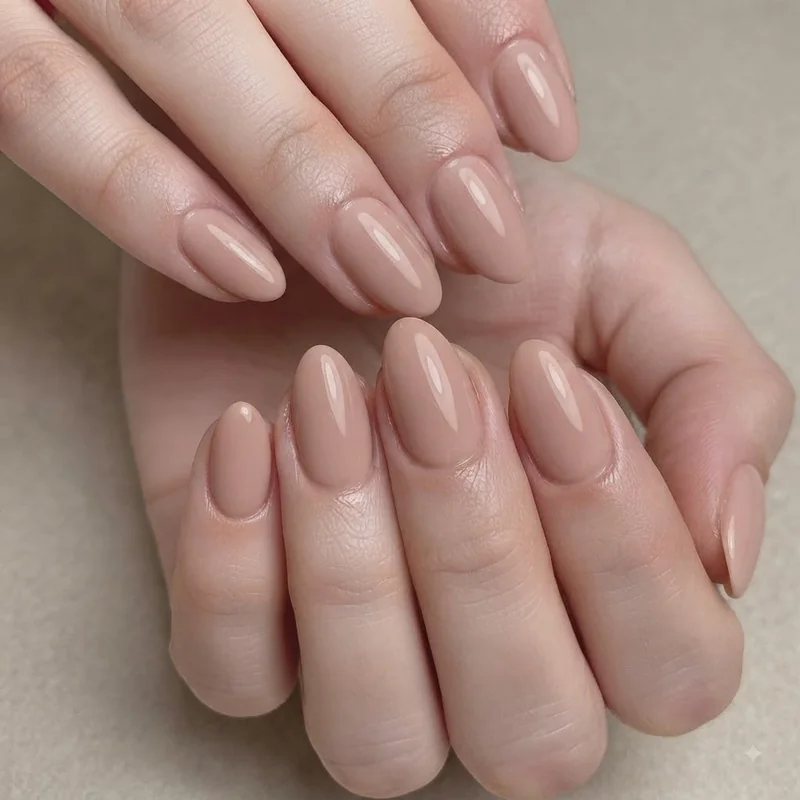
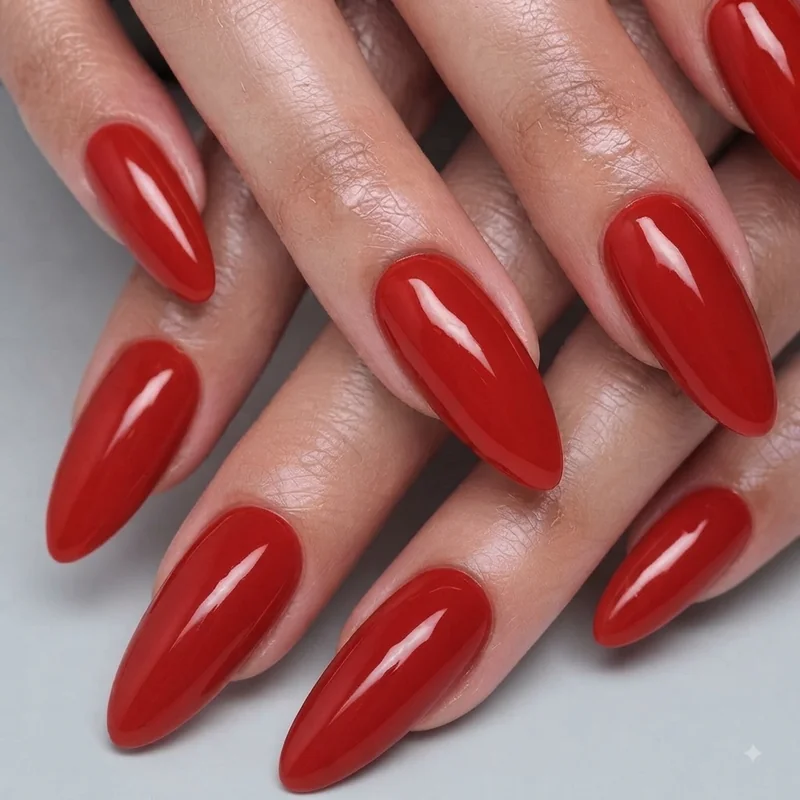
A full set applies in ten to twenty minutes once you count sizing against your actual nail beds, not the size printed on the package. That is genuinely fast, and it is the closest thing to an honest "five minutes" claim in this entire comparison, though it still is not five minutes.
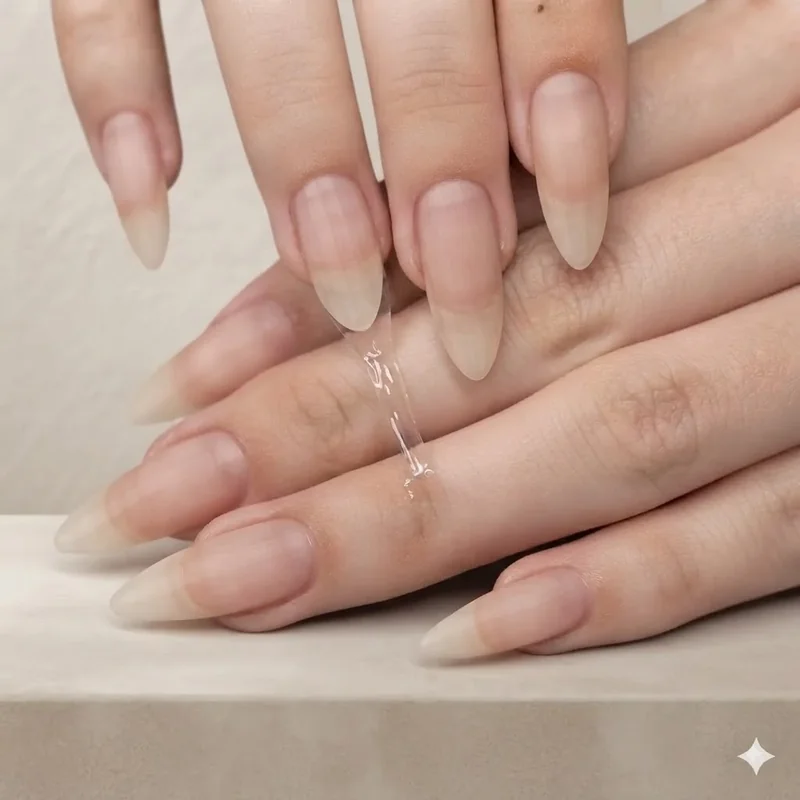
The real time sits in prep, not application. Buffing the natural nail surface, matching each press-on to the correct finger (they are rarely identical width to width), and applying adhesive tabs or glue correctly all happen before a single nail goes on. Skip that step and the set lifts within a day, which costs more time than it saved. Done properly, expect closer to fifteen minutes than the five the box promises, and closer to twenty if this is your first time sizing a set.
Glue-on application adds a little time over adhesive tabs, since the glue needs a few seconds of pressure per nail to bond, but it holds longer. Tabs are faster on and off, which makes them the better choice when the fifteen-minute window is the whole point.
For readers who want the deeper mechanics, including how it stacks up against semi-cured gel strips, the full breakdown of semi-cured gel strips versus press-ons goes further than this comparison has room for.
Press-ons will not outlast gel. They hold five to seven days against gel's two to three weeks. But minute for minute against gel's thirty to sixty in the chair, nothing here touches press-ons for speed.
How Long Does Regular Nail Polish Take?
Regular polish is not a compromise. It is the fastest legitimate manicure format that exists, and it deserves more credit than "the basic option."
Application takes about ten minutes: two colour coats plus a top coat, no curing step required because there is no lamp involved at all. The catch is real air-drying time afterward, twenty to thirty minutes minimum before nails can survive a bag zipper or a car door without a dent.
That drying window is where most regular manicures actually fail. Ten minutes of polish and twenty rushed minutes of pretending it is dry is how you end up with a thumbprint pressed into your top coat. The honest total, paint to fully hardened, sits closer to thirty to forty minutes, still the shortest total of the three formats by a wide margin, but not instant.
Regular polish also wins on flexibility. No lamp, no soak-off later, no appointment to book, no waiting for a chair to open up. Removal is just as fast as application, a swipe of acetone on a cotton pad and it is gone in under a minute, none of the fifteen-to-forty-five-minute soak gel demands. If a fast, repeatable at-home routine is the goal beyond just this one manicure, the fastest legitimate at-home manicure routine is worth bookmarking alongside this comparison.
The Part Nobody Quotes You: Removal Time
Every "how long does it take" article stops at application. None of them mention what happens three weeks later, and that silence is exactly why gel appointments feel longer than promised.
How long does it take to remove gel nail polish? Fifteen to forty-five minutes, depending on the gel formula, the technician's technique, and whether the old set is filed down before the acetone soak. That range is real chair time, not optional extra time you can decline.
Standard soak-off involves lightly filing the top layer to break the seal, wrapping each nail in an acetone-soaked cotton pad, and waiting while the gel softens enough to lift away cleanly. The dermatologist-recommended removal method exists because peeling or picking gel off damages the nail plate, adding recovery time that has nothing to do with your calendar. Average soak time for a standard gel formula runs fifteen to twenty minutes, per the average soak-off time for standard gel, though thicker builder gel pushes toward the higher end.
This is the number that turns a "forty-five minute" gel manicure into a genuine ninety-minute total once you book removal as its own appointment, or worse, get it done same-day alongside a fresh set. If you are asking how long does a gel manicure take because you are trying to plan an afternoon, removal is not a footnote to that number. It is the second half of it.
Some salons fold the old set's removal into the new appointment automatically, exactly how a "quick touch-up" turns into ninety minutes without warning. Others treat it as a separate block of chair time entirely. Ask which one applies before you book, not after you sit down.
Salon Chair Time vs At-Home Time: What Actually Changes
Picture the same gel manicure, once in a salon chair on a Tuesday evening, once at your own kitchen table on a Sunday afternoon. The materials are identical. The time is not.
At-home gel typically runs faster on pure application time, twenty-five to thirty-five minutes with an LED lamp and a known routine, because there is no wait for a technician built into it. But the total is not automatically shorter. First-timers lose that advantage to trial and error: uneven layers, under-cured spots that need redoing, a lamp slower than a professional one.
What genuinely changes is control. A technician works fast because repetition made every step automatic. At home, you trade that speed for flexibility, no commute, no waiting for a slot, no dependence on someone else's schedule. For a reader thinking beyond one manicure to a full working week, how gel and press-ons compare for a full working week extends this comparison across five days.
Removal time does not change between settings. Acetone soaks at the same rate whether you do it yourself or a technician does. The only real question is whose time it is costing.
For anyone still weighing how long does a gel manicure take against doing it yourself, the honest answer is that at-home saves scheduling time, not clock time. You are not waiting on an appointment slot, which for a busy week matters more than the ten minutes either version saves in the chair.