The Best Winter Nail Colors for Dark Skin Tones
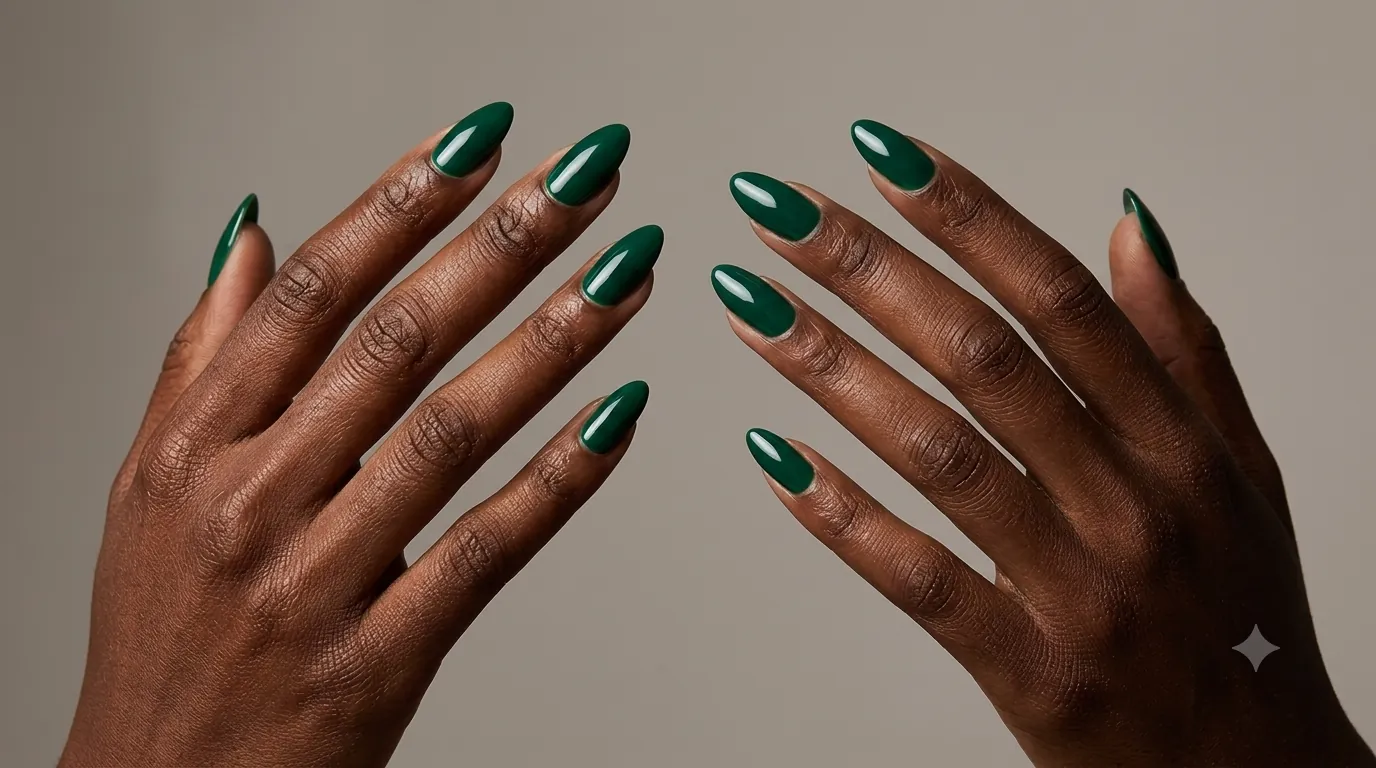
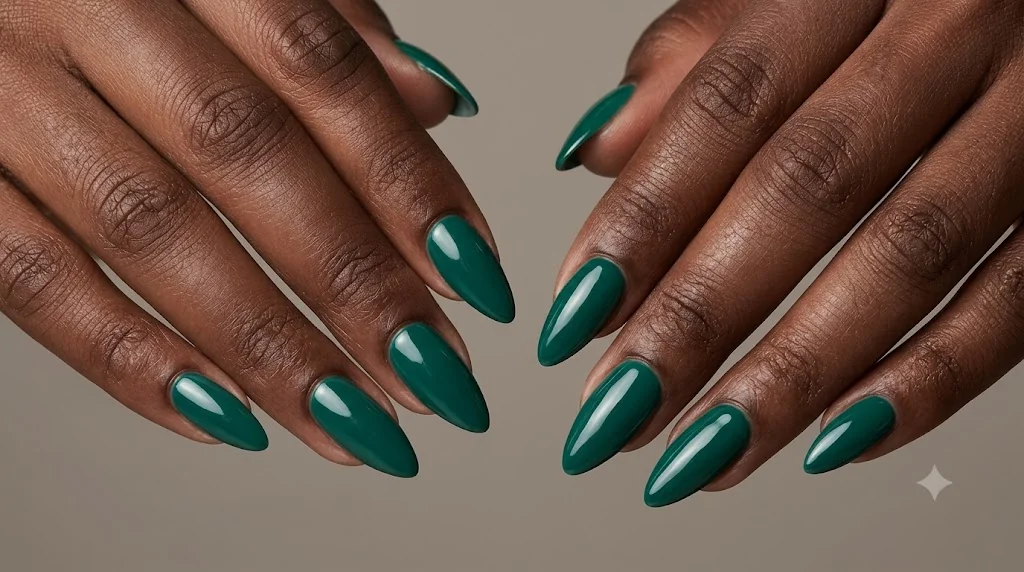
What nail colors look best on dark skin in winter? High-saturation jewel tones lead the category for winter nails for dark skin: emerald, sapphire, oxblood, and amethyst all read as rich rather than muted against deep skin, especially under winter's lower light. Metallic-adjacent neutrals like espresso brown and true gold round out a shortlist that works across most undertones.
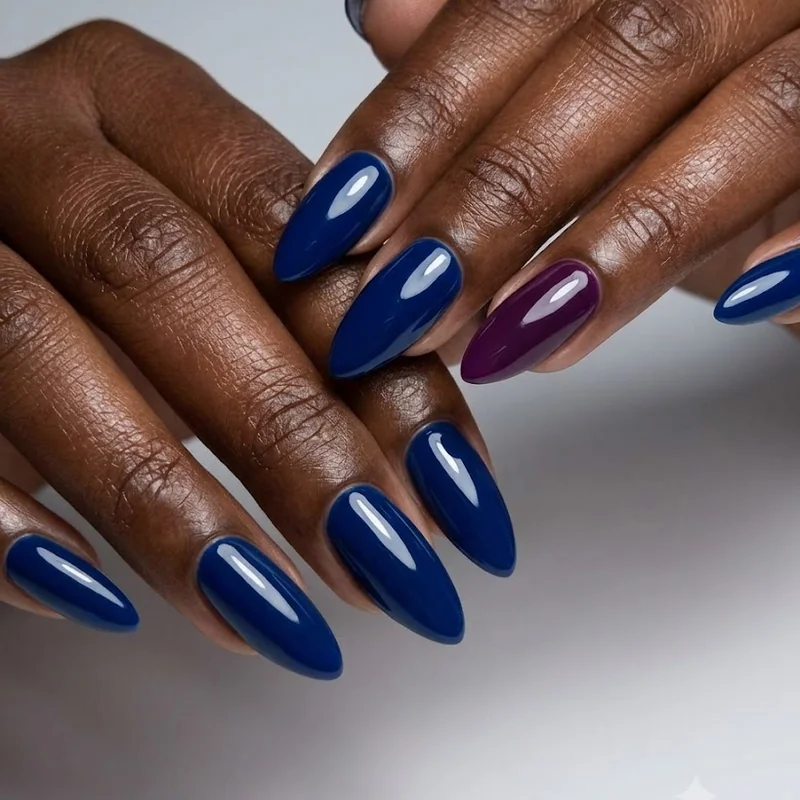
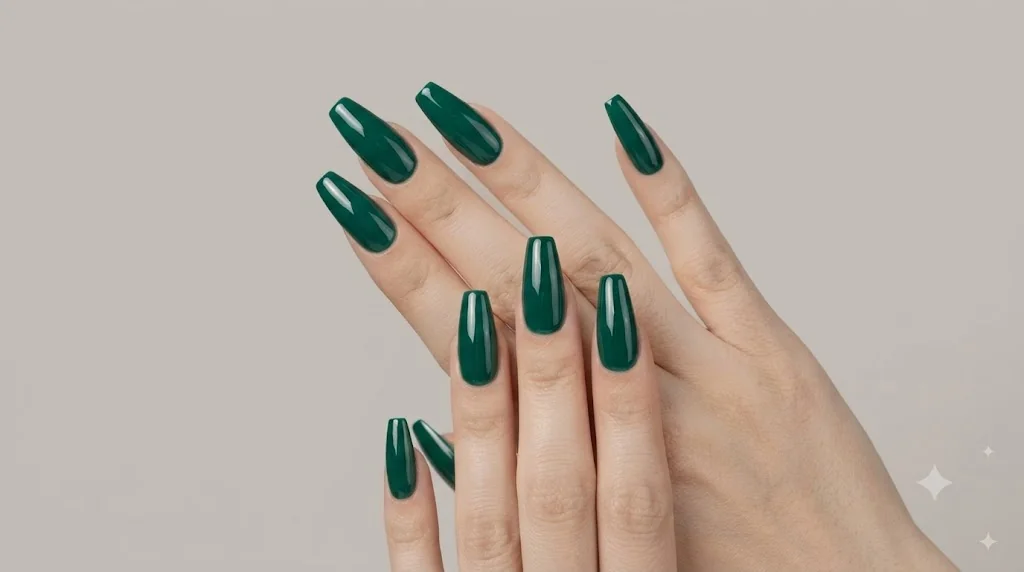
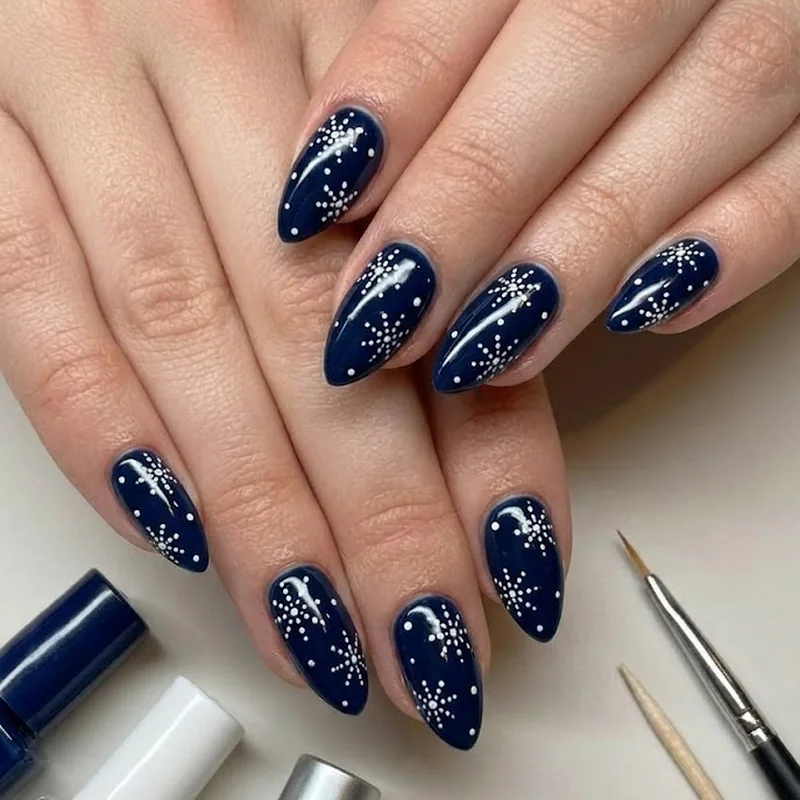
Jewel tones are saturated, deep colors named for gemstones, emerald, sapphire, ruby, amethyst, known for their high pigment density. That density is exactly what deep skin needs from a winter shade. Emerald green sits at the top of the list for a reason: it has enough blue undertone to read as cool and enough depth to avoid looking neon against dark skin, a balance few greens strike. Sapphire blue does something similar from the other direction, cool enough to feel wintery, saturated enough to avoid the washed-out effect that lighter blues risk. If cooler blues are your lane, navy blue winter nail inspiration is worth a look for a slightly more subdued take on the same undertone family.
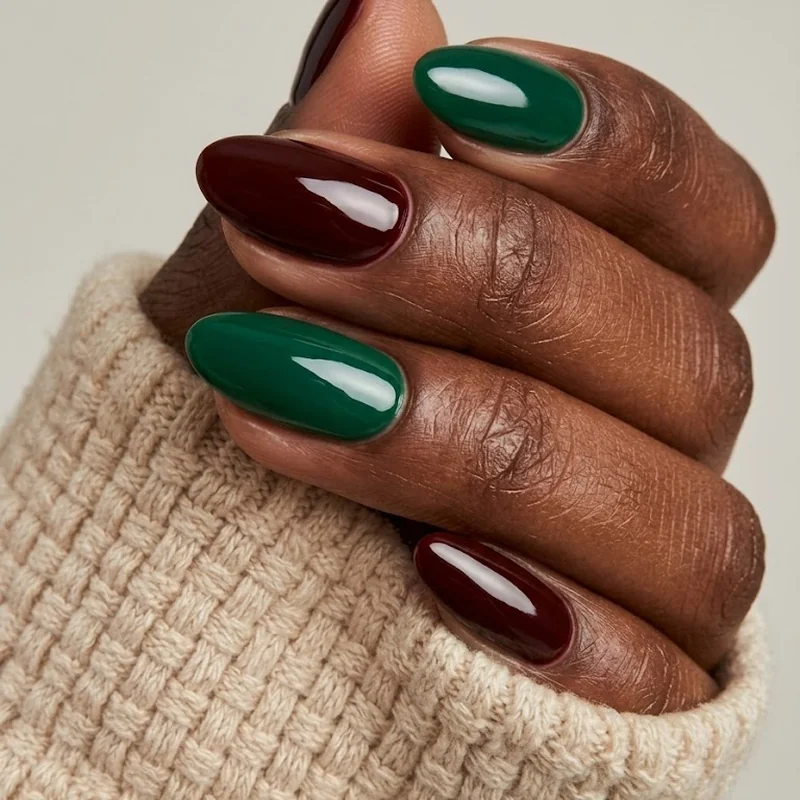
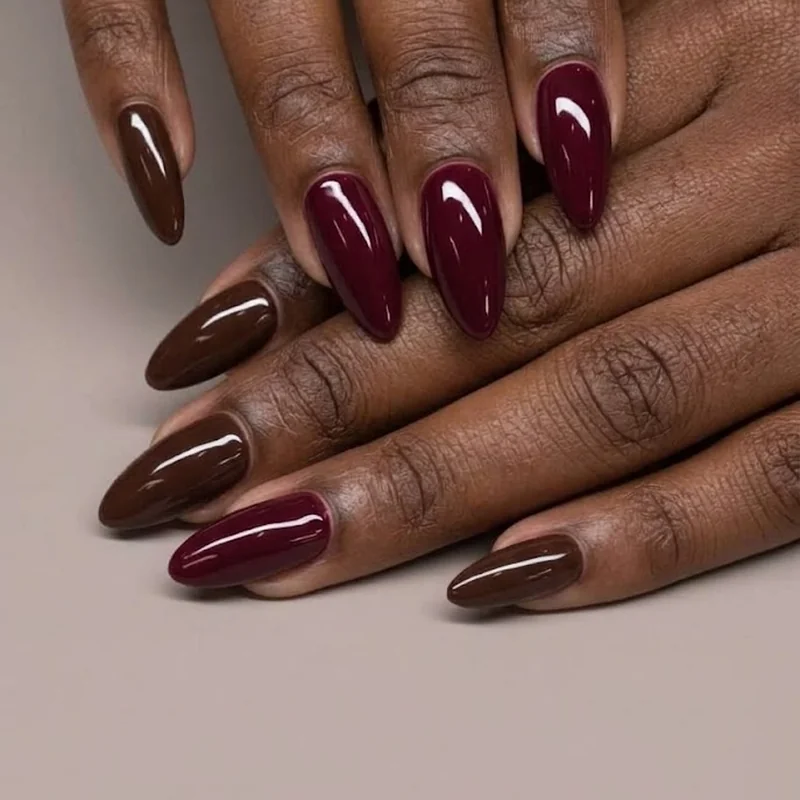
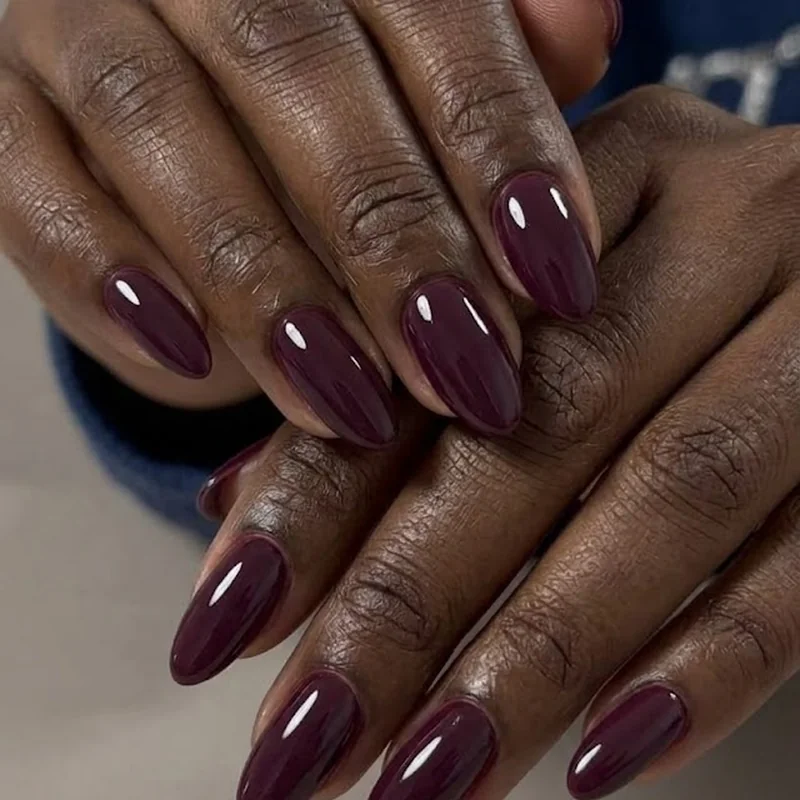
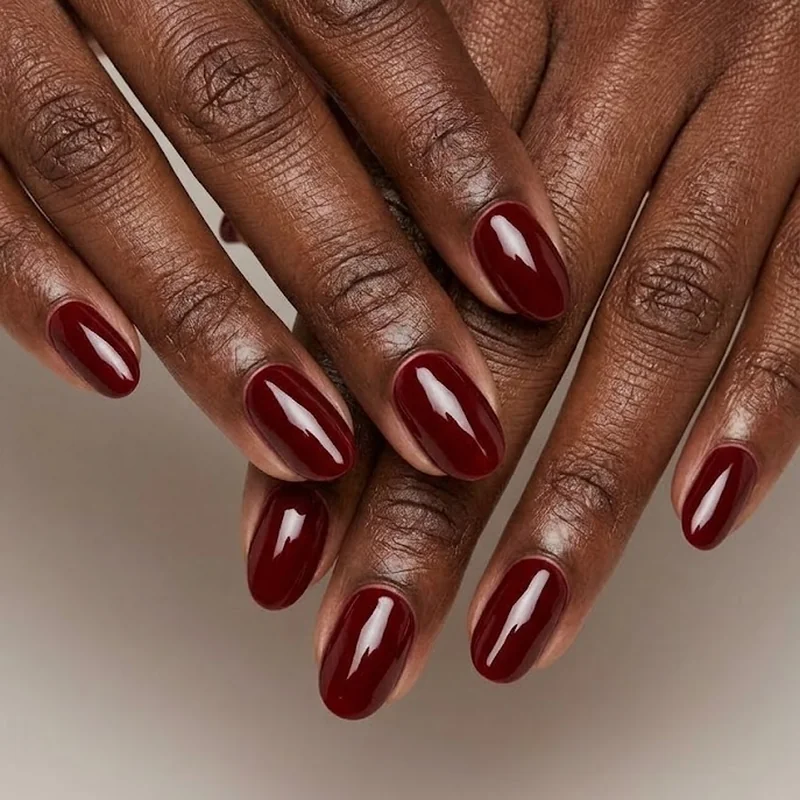
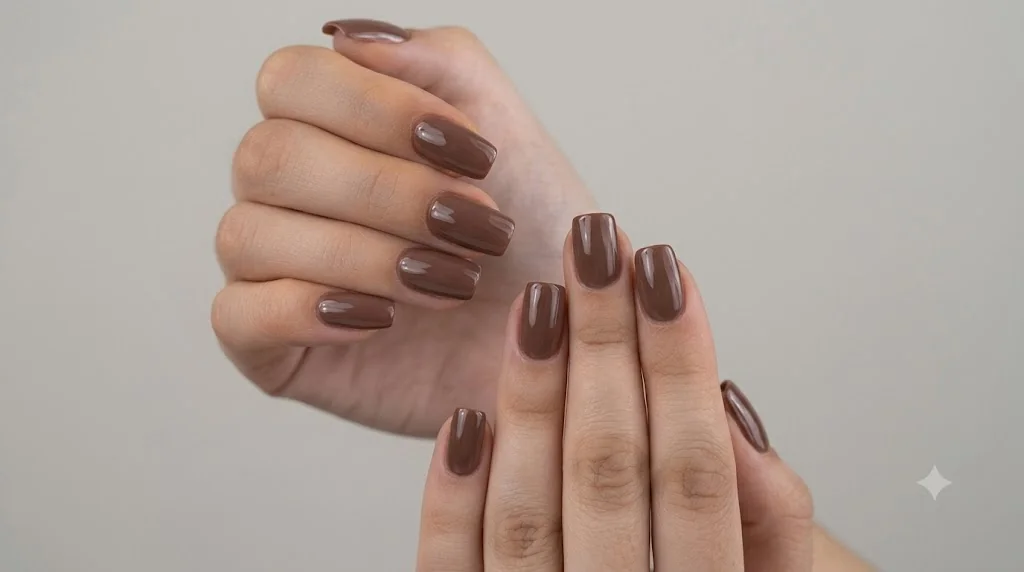
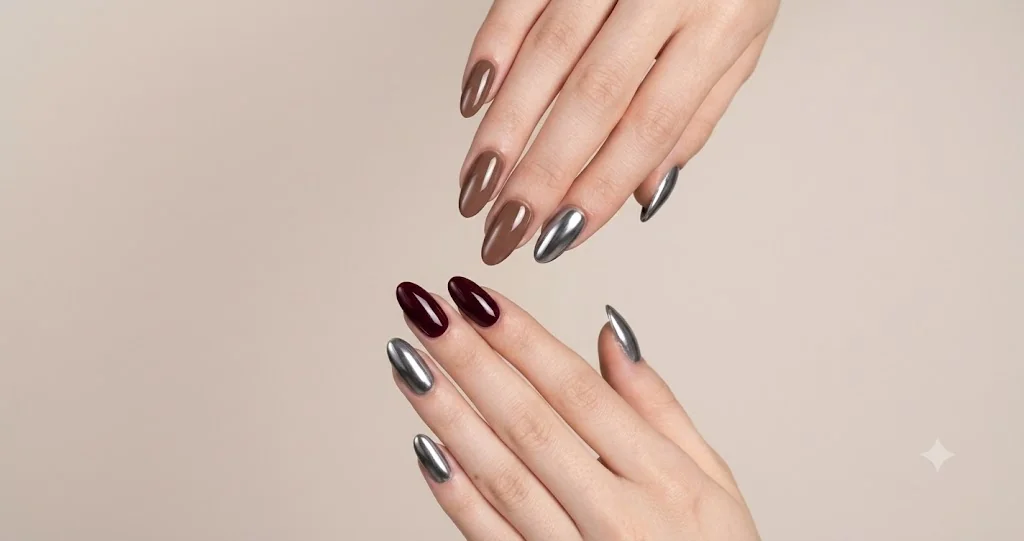
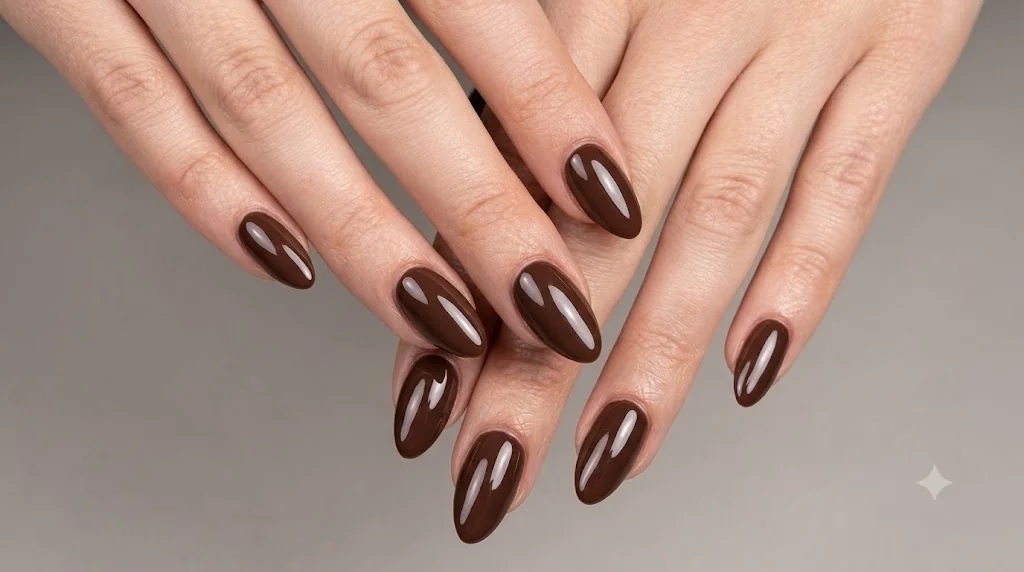
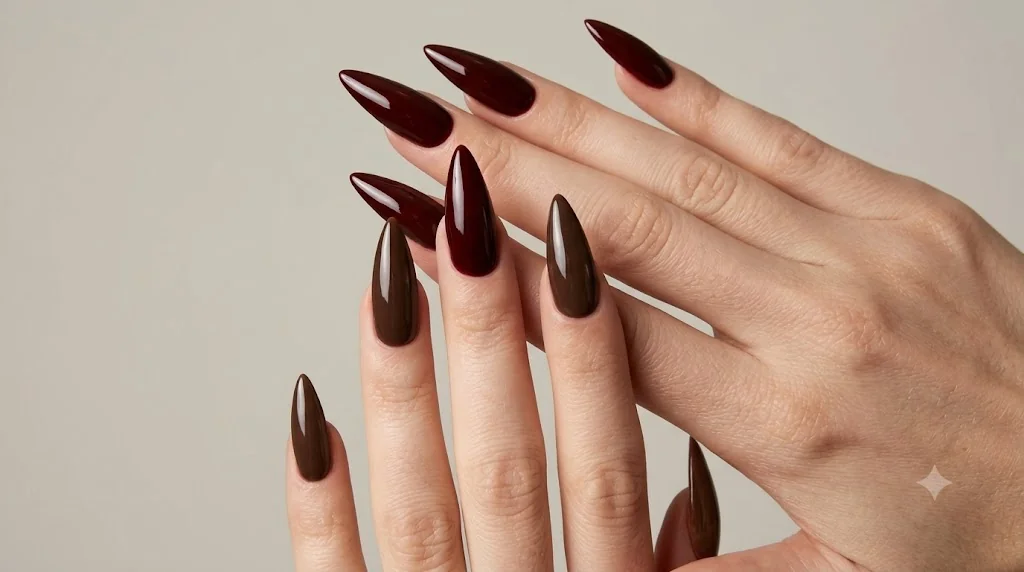
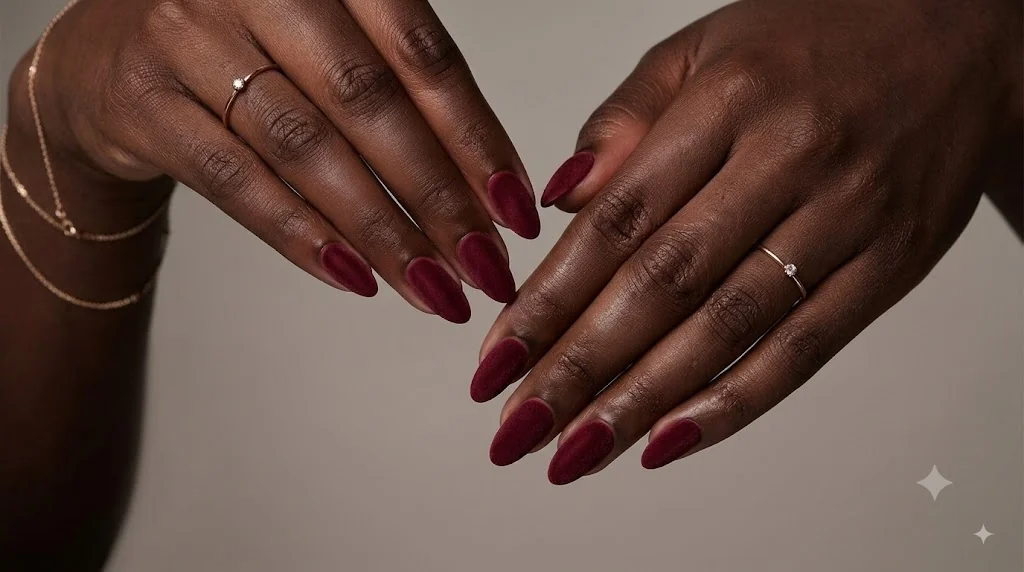
Oxblood, sometimes labeled merlot or deep wine, is the closest thing this list has to a universal winner. Its brown-red base gives it enough warmth to flatter warm undertones while its darkness keeps it from tipping orange on cooler ones. It also happens to photograph exceptionally well against melanin-rich skin, reading as expensive rather than seasonal-cliché the way basic burgundy sometimes can. Espresso brown, meanwhile, belongs to warmer undertones specifically. It reads as rich mocha rather than flat and muddy, particularly in a high-gloss finish that catches light. For a deeper dive into browns at this exact depth, chocolate brown winter nail ideas breaks down the full range from mocha to true espresso.
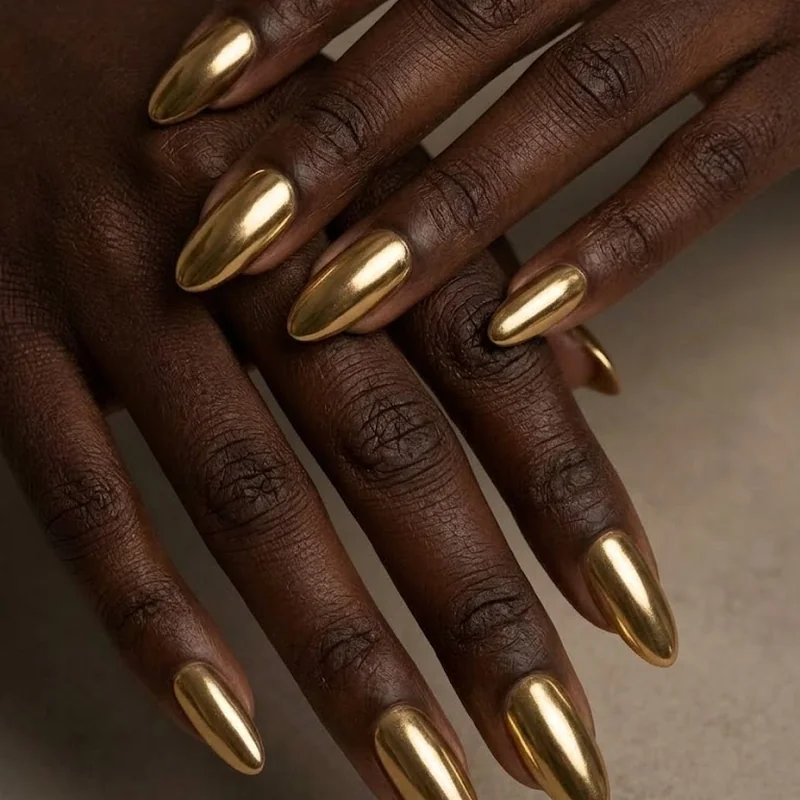
Gold deserves a mention most seasonal guides skip. Not the sheer, glittery gold of a New Year's manicure, but a dense, almost bronze metallic gold. On deep skin with a warm undertone, it can outperform every jewel tone on this list, reading as genuinely luxurious rather than novelty-metallic. The through-line across every shade here is the same: saturation and pigment density matter more this season than the specific color family you land on.
Matching Winter Shades to Your Undertone
What separates a shade that flatters from one that fights your skin isn't depth alone. It's undertone. Undertone is the underlying hue beneath the skin's surface color, distinct from how light or deep that skin is, and it determines which shades read as flattering versus washed out, regardless of how saturated the polish is. This is the piece most winter nails for dark skin guides skip entirely.
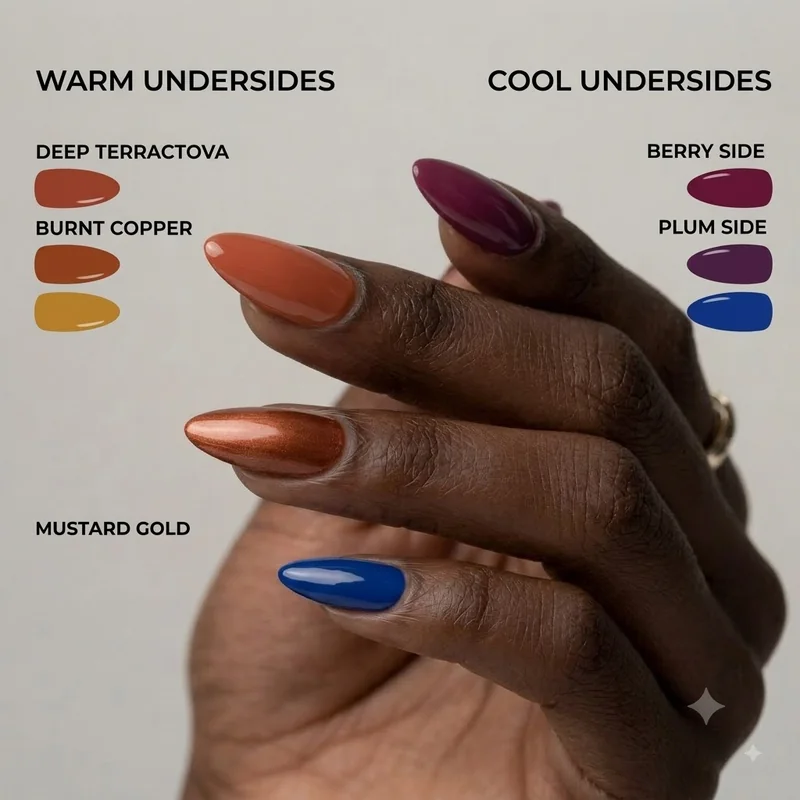
What winter nail colors work with cool undertones on dark skin? Sapphire blue, true emerald, amethyst purple, and true red (not orange-leaning) tend to work best. These shades share a blue or purple base that echoes a cool undertone's own underlying hue, which is why they read as rich rather than clashing.
Warm undertones pull in the opposite direction. Espresso brown, oxblood, burnt orange, and warm gold sit closest to a warm undertone's own base, which is why they read as seamless rather than fighting the skin beneath them. A warm-undertone hand in emerald can still look good, but it will read slightly cooler and more austere than the same hand in espresso or oxblood, where the color and the skin's own warmth work together instead of in opposition.
Not sure which camp you fall into? The vein test is the fastest self-check: look at the inside of your wrist in natural light. Blue or purple veins generally signal cool undertone. Green veins generally signal warm undertone. If you genuinely cannot tell, or the veins read as a mix of both, you likely have a neutral undertone, and the good news is that neutral undertones have more flexibility across this entire list than either extreme. For the complete system behind undertone-matching across every skin tone, not just this winter slice, the full undertone-matching logic behind every skin tone's best shades goes deeper than this post has room for.
Best Finishes for Winter Nails on Dark Skin
Is matte or glossy better for dark skin tones in winter? Glossy and chrome generally outperform matte in winter specifically, because reflected light adds dimension that flat finishes cannot, and winter's shorter days mean less ambient light to work with in the first place. Matte still has a place, just a narrower one than it does in warmer months.
Chrome is the standout of the season. Its reflective, almost mirrored quality means it catches whatever light is available, indoor lamps, phone flash, low winter sun, and turns it into visible dimension on the nail. On deep skin, that reflection reads as genuinely striking rather than gimmicky, which is part of why chrome has become a go-to among editors covering this exact intersection. If you want to see the effect for yourself, a mirrored silver or gunmetal chrome is the easiest entry point.
Glossy crème finishes remain the reliable middle ground. A high-shine oxblood or emerald reads richer than the same shade in matte, simply because gloss lets light travel across the color instead of stopping at the surface. Matte, meanwhile, works best when paired with an already highly saturated shade, deep emerald or oxblood in matte can look sophisticated and intentional. Matte on a lighter or lower-saturation color tends to flatten it further, increasing the exact washed-out risk this whole guide is trying to help you avoid. For matte-specific direction, matte winter nail ideas covers which shades hold up in that finish and which don't.
Metallic finishes that fall short of full chrome, a soft gold shimmer or bronze duochrome, split the difference nicely. They add reflectivity without the high-drama mirror effect chrome brings, which makes them a safer everyday choice while still solving the low-light problem this season creates. Getting the finish right is half the equation for winter nails for dark skin, the other half is the shade underneath it.
Colors to Approach with Caution This Winter
Why do some nail polish colors look ashy on dark skin? Ashiness happens when a polish's pigment saturation is too low to hold its own against the skin's natural depth, so the color appears to sit on top rather than blend with the hand, reading as flat or dusty rather than rich. It's a pigment-density mismatch, not a flaw in the skin itself, and it's the number one reason winter nails for dark skin go wrong.
Pastels are the most common offender in winter specifically. A baby blue or soft lilac that looks delicate in spring daylight can read as chalky and thin against deep skin under winter's dimmer conditions, precisely because pastels are low-saturation by definition. This doesn't mean pastels are permanently off-limits, only that winter's lower light makes their weakest quality more visible than any other season does.
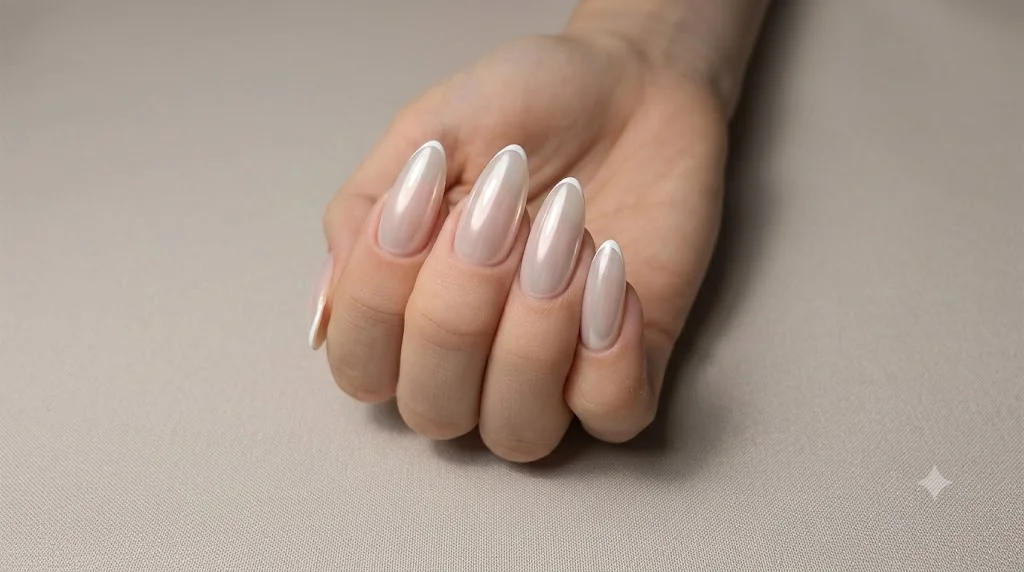
Frosted or pearlized finishes deserve the same caution. Their light-scattering quality, appealing in bright summer sun, tends to read as dull rather than shimmery under winter's artificial and low-angle light. And while basic burgundy is not inherently a bad shade, it has become winter's most repeated cliché, which is less a color problem than a distinctiveness problem. Oxblood or true wine reads far more specific and less "everyone at this holiday party" than a flat, mass-market burgundy does.
The instinct to avoid dark colors entirely on dark skin because they'll "disappear" also deserves correcting directly. Do dark colors look good on dark skin? Yes, provided saturation stays high. A deep, richly pigmented color doesn't disappear against deep skin, it creates tonal depth. The shades that actually disappear or wash out are the low-saturation ones, not the dark ones. Depth and saturation are not the same axis, and confusing them is where most bad winter nail advice for dark skin tones originates.