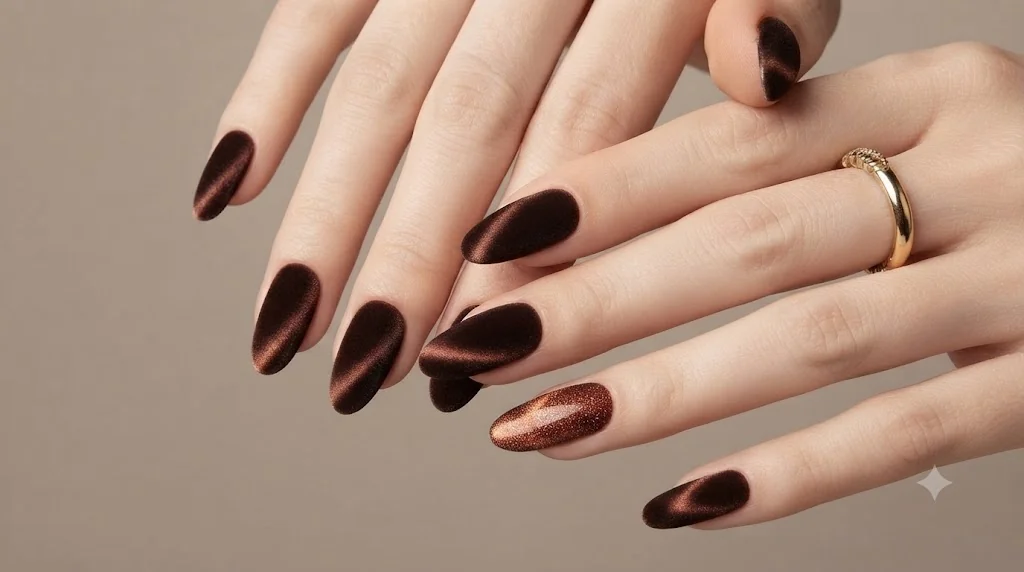
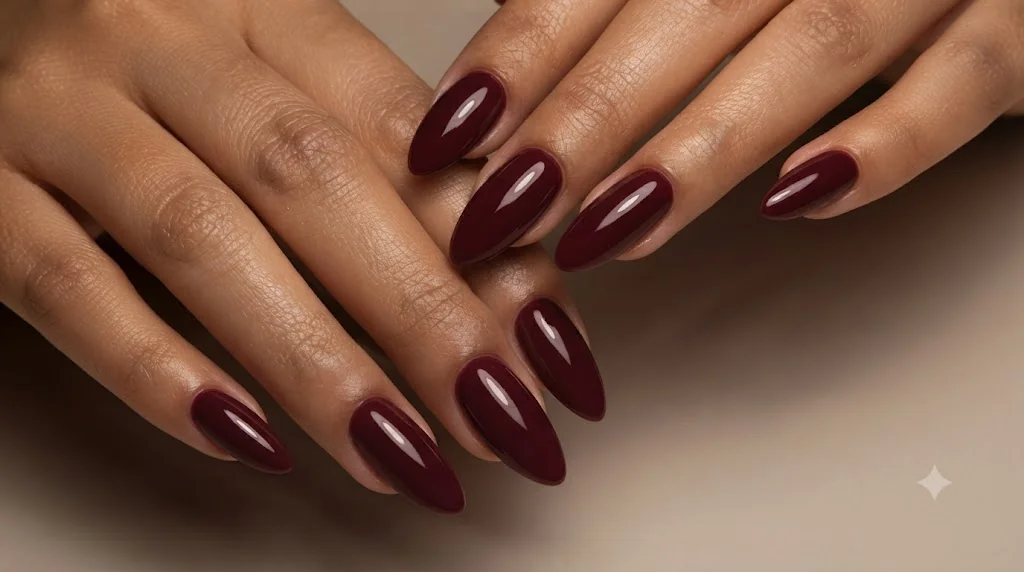
The classiest nail shape is oval. Every other shape gets argued over depending on which article you land on, but oval is the one no nail artist actually disputes once you ask them why. It has the taper of almond without the sharp point, the neatness of square without the hard corner, and it survives a full week of typing, dishes, and gripping a coffee cup without chipping at the tip.
Most shape guides won't tell you that. They will hand you six options, a paragraph on each, and leave you exactly where you started. The classiest nail shape question deserves a real answer, not a menu.
Here is why oval wins, where almond and square earn a place, and how to ask for the shape at your next appointment without the guesswork.
What Is the Classiest Nail Shape?
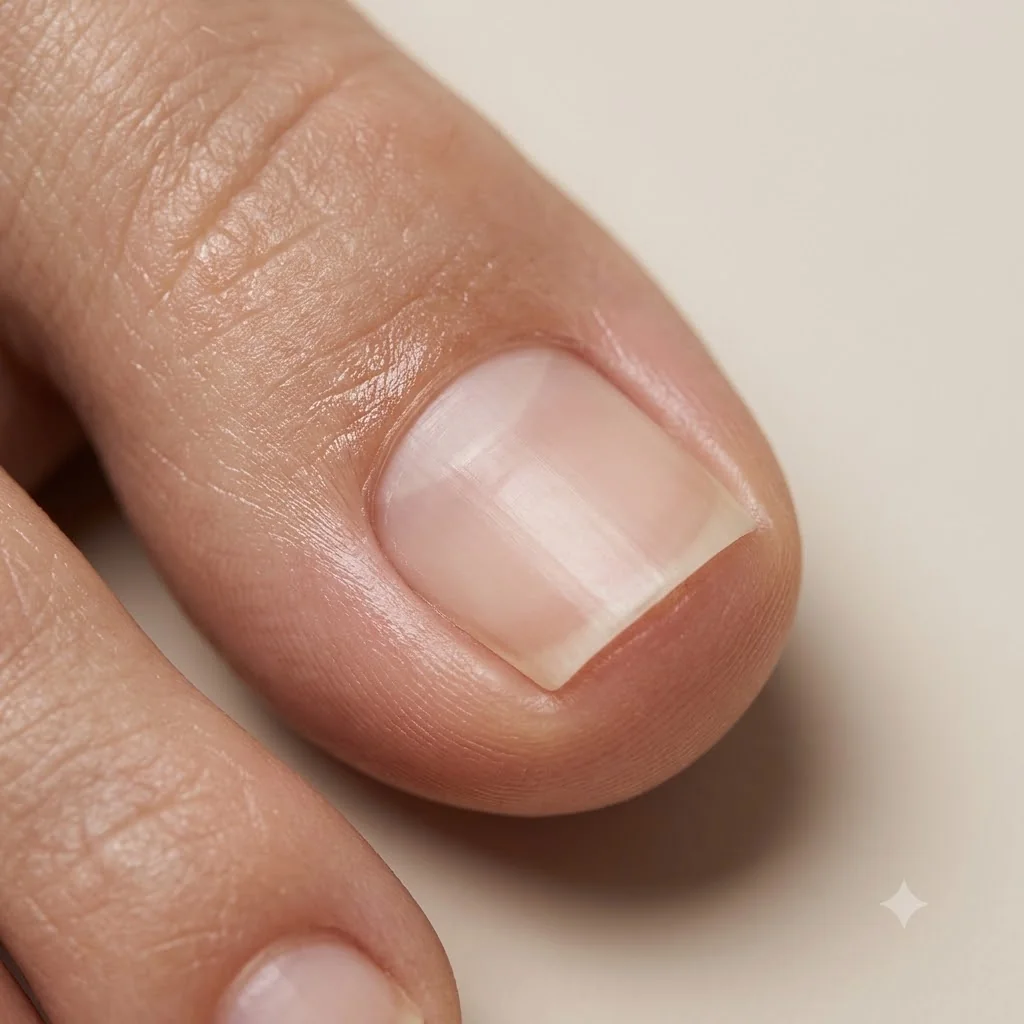
Oval is the classiest nail shape. It combines a rounded free edge with a gentle side taper, which is why nail artists describe it as the shape that "reads timeless" rather than "reads trendy." Round is friendlier. Almond is sharper. Square is more structured. Oval sits in the middle of all three and borrows the best trait from each.
That middle position is precisely the point. A trend cycles through in a season, but a proportion doesn't. Oval nails looked elegant in 1960s Hollywood photographs and they look elegant now, for the same reason: the shape follows the natural curve of the nail bed instead of fighting it. Nothing about it needs justifying to a nail tech, a camera, or your own hand.
Why Oval Reads More Elegant Than Almond or Square
The taper does the work. An oval nail curves gradually from sidewall to tip, and that gradual curve is what elongates the finger without drawing attention to the shape itself. Almond does the same elongating trick but ends in a narrower point, which needs longer length to look intentional rather than accidental. Square stops the eye at a hard corner, and a hard corner is the first place a manicure chips.
That last part matters more than most guides admit. Almond nails break more easily than oval because the tip is thinner and takes the full force of an impact at its narrowest point. Oval spreads that same impact across a curve, so the nail absorbs it instead of cracking. A shape that survives longer between appointments simply looks more put-together for more of the two weeks between them, which is half of what "classy" actually means in practice.
Square has its own case: clean lines, obvious symmetry, a look that reads structured. But structure is exactly what starts to look dated the moment nail trends swing soft again, and they always do. Oval doesn't have a trend cycle to fall out of. The classiest nail shape isn't the one that looks best in a single photo. It's the one that still looks right in three years of photos.