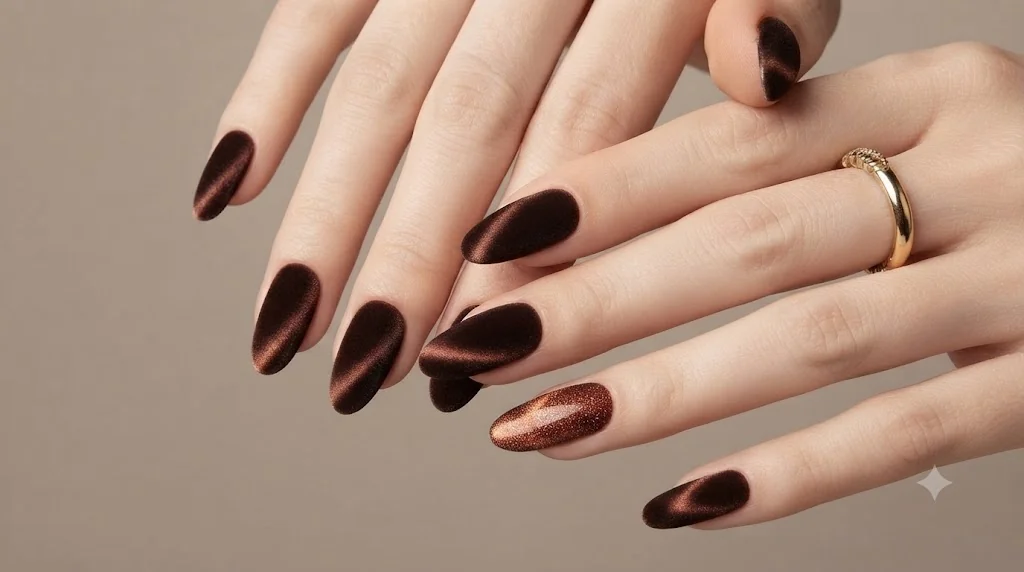
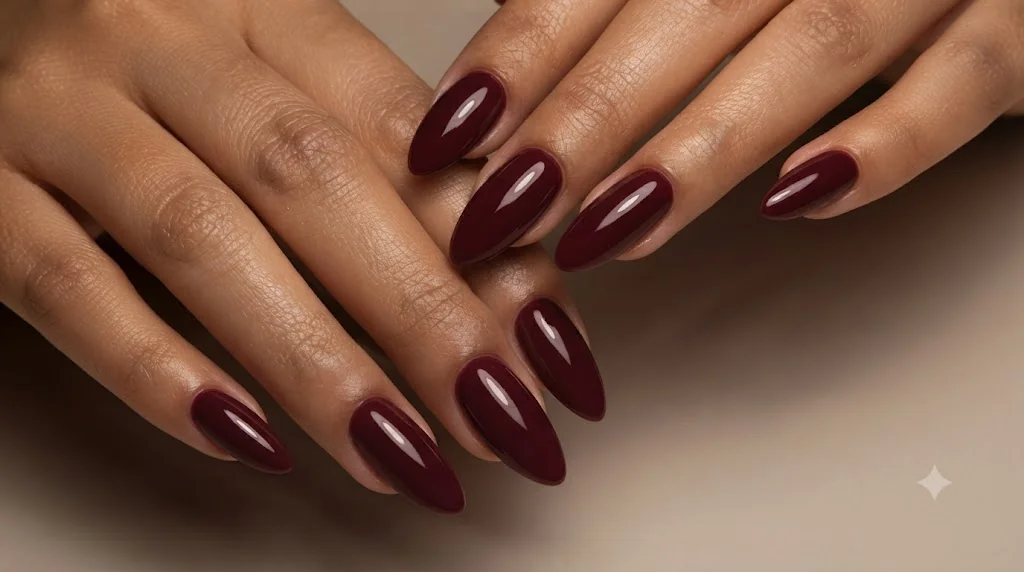
Color wheel skin tone nail polish color matching chart searches usually end the same way: another list of "good colors for warm skin" with no actual wheel in sight. Here's the direct version. The color wheel sorts every nail shade into warm or cool halves based on hue, and matching it to skin starts with undertone, not skin tone itself. Warm undertones pull toward coral, terracotta, and gold-flecked reds. Cool undertones pull toward berry, blue-red, and icy lavender. Neutral undertones sit in the middle and can move either direction depending on saturation.
That's the mechanic. What follows is the color wheel skin tone nail polish color matching chart version of it, built to actually screenshot. Not a list to skim once and forget, a reference built to survive a trip to the polish aisle. Standing in that aisle with four shades in hand and no way to rank them is a specific kind of stuck, and it's the reason this post exists. The chart below solves the single-shade question first, then goes further than most guides bother to: how to use the same wheel to pair two or three colors into one manicure, because a French tip or an accent nail runs on completely different logic than a solo shade does.
Skin Tone vs. Undertone: Why the Color Wheel Starts Here
Skin tone and undertone get used like synonyms constantly, and that mix-up is the reason so much nail color advice falls apart in practice. Skin tone is the surface color, how light or dark skin reads. Undertone is the hue underneath it, and it stays the same whether you're tanned in July or pale in February. A deep skin tone can carry a warm, cool, or neutral undertone, and so can a fair one. The wheel only cares about the second thing.
This is the piece most color-matching content skips or rushes. A shade list organized purely by "fair, medium, deep" is really just sorting by depth, and depth has almost nothing to do with which hue flatters a hand. Two people with identical skin tone can have opposite undertones and need opposite shade families entirely. One would look great in a warm coral. The other would look slightly off in that same bottle and better in a cool raspberry.
Once undertone is isolated from tone, the color wheel becomes usable. It's the tool that translates "I have a cool undertone" into "these are my twelve best bottle options," instead of leaving that translation to guesswork at the display counter.
The Color Wheel, Explained for Nail Polish
Color wheel skin tone nail polish color matching chart logic runs on four terms: hue, tint, shade, and tone. Hue is the pure color itself, like red or blue. Tint is that hue lightened with white, shade is that hue darkened with black, and tone is that hue muted with gray. A single red hue can produce a bright tint (bubblegum pink), a deep shade (oxblood), and a muted tone (dusty rose) without ever changing which half of the wheel it belongs to.
The wheel itself splits into twelve positions: three primary colors (red, yellow, blue), three secondary colors made by mixing adjacent primaries (orange, green, purple), and six tertiary colors that sit between them (red-orange, yellow-green, blue-purple, and so on). Half the wheel runs warm, red through yellow, and the other half runs cool, green through blue-purple. Nail polish brands rarely label a bottle "warm-toned tertiary red," but every shade on a rack fits somewhere on this wheel whether the label says so or not.
Here's what most guides that mention "the color wheel" in passing never actually show: which half a given bottle sits in changes everything about how it reads against a specific undertone. A true red sits almost exactly on the warm/cool boundary, which is why red is famously the hardest single color to generalize advice about. Move that red slightly orange and it firmly joins the warm camp. Move it slightly blue and it joins the cool camp instantly. That small hue shift, not the depth of the color, is what determines whether a red flatters a warm undertone or a cool one.