Search 'japanese manicure' and you will get two completely different answers. Half the results describe a natural buffing treatment that nourishes nails without a drop of polish. The other half show glossy, coloured gel nails under a UV lamp. It is no wonder people give up and close the tab. This post is for the treatment the one that actually earned the name. The japanese manicure is a nutrient-based nail care method that restores strength and creates a natural pearlescent shine using only plant- and mineral-derived ingredients. No colour, no UV lamp, no synthetic chemicals. If you have landed here because your nails are wrecked after gel and you need to know whether the japanese manicure is actually worth your time you are in the right place. This is the full, clear-eyed guide: what it is, how it works, who it suits, and exactly what to expect from it. For the full picture of where this treatment sits within the world of japanese nail art, the pillar post covers every major style and technique.

What Is a Japanese Manicure, Exactly?
A japanese manicure is a natural nail strengthening treatment that uses a nutrient-rich paste and a mineral powder, buffed into the nail plate with chamois leather tools, to improve nail health and create a glossy finish without any polish. There are no synthetic chemicals, no UV lamp, and no colour. The result is your nails stronger, smoother, and visibly healthier with a soft pearlescent shine that comes from within the nail itself.
P.Shine is the commercial name for the japanese manicure system. It is the original brand that brought the treatment to international salons, and the two terms are used interchangeably in most professional settings. The treatment draws from Tsume-Migaki, the traditional Japanese practice of polishing and nourishing nails a ritual associated with Japanese aristocracy going back several centuries.
The philosophy underneath the treatment matters, because it determines what results you can actually expect. Where Western nail services typically focus on decoration and coverage, the J-beauty approach to nail care focuses on enhancing what is already there. The japanese manicure does not mask damage it treats the nail plate directly, session by session, and the improvements accumulate over time. That distinction is what makes it genuinely different from anything else you might try during a gel recovery period.

Japanese Manicure vs Japanese Gel: Two Completely Different Things
A japanese manicure and Japanese gel nails are not related services. They have different ingredients, different tools, different outcomes, and different purposes. The only thing they share is the word 'Japanese.'
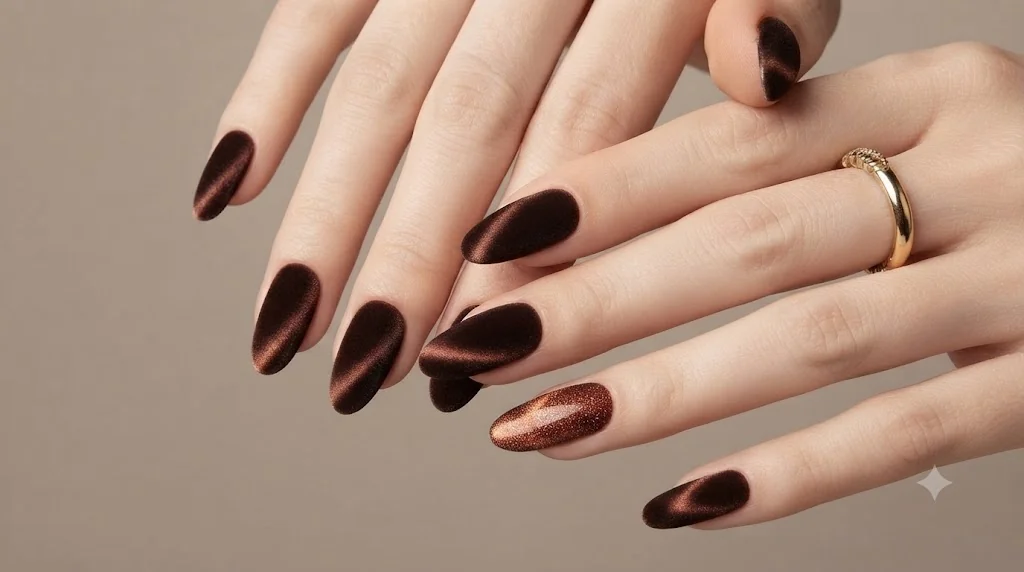
Japanese gel is a colour service. It uses coloured or clear gel polish, applied in layers and cured under a UV or LED lamp exactly like any other gel manicure. Some Japanese gel systems are known for their precision, the quality of their colour ranges, or their application technique, but structurally the service is identical to gel manicures you would find anywhere. It requires removal with acetone or soaking, and repeated use of it causes the same nail-plate thinning as any other gel system.
The japanese manicure involves no gel, no lamp, no acetone, and no polish of any kind. The only things applied to your nails are a nutrient paste and a mineral powder, both worked in with chamois leather buffers. The two services are at opposite ends of the nail care spectrum. If you want colour, Japanese gel is the answer. If your nails are damaged and you want to repair them without adding another chemical layer, the japanese manicure is the one to book.
This distinction resolves the confusion behind almost every frustrated search. When clients book a 'japanese manicure' expecting a gel colour service, they leave confused. When they book expecting a natural treatment and find gel, they are equally baffled. The services are simply not interchangeable.