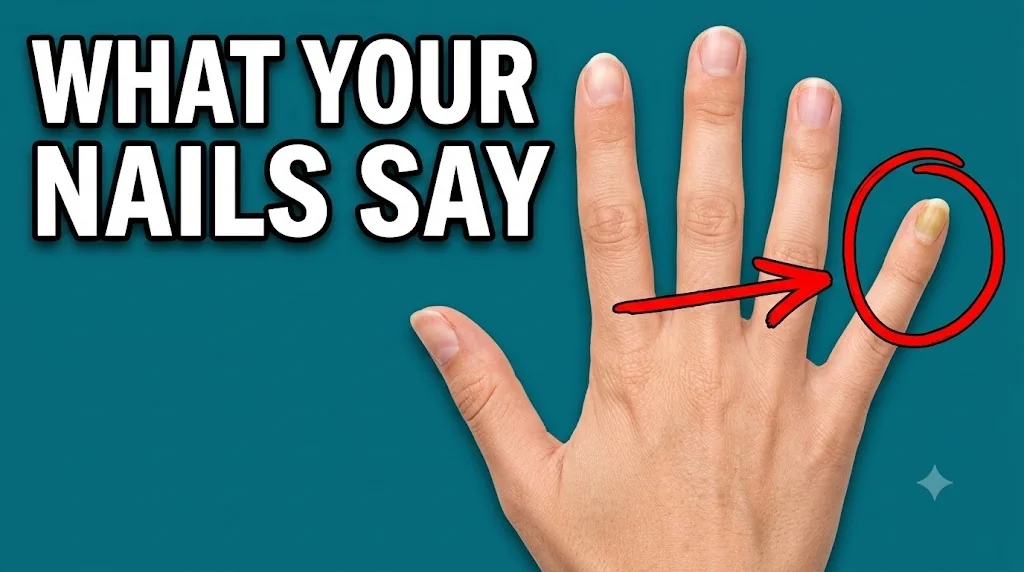
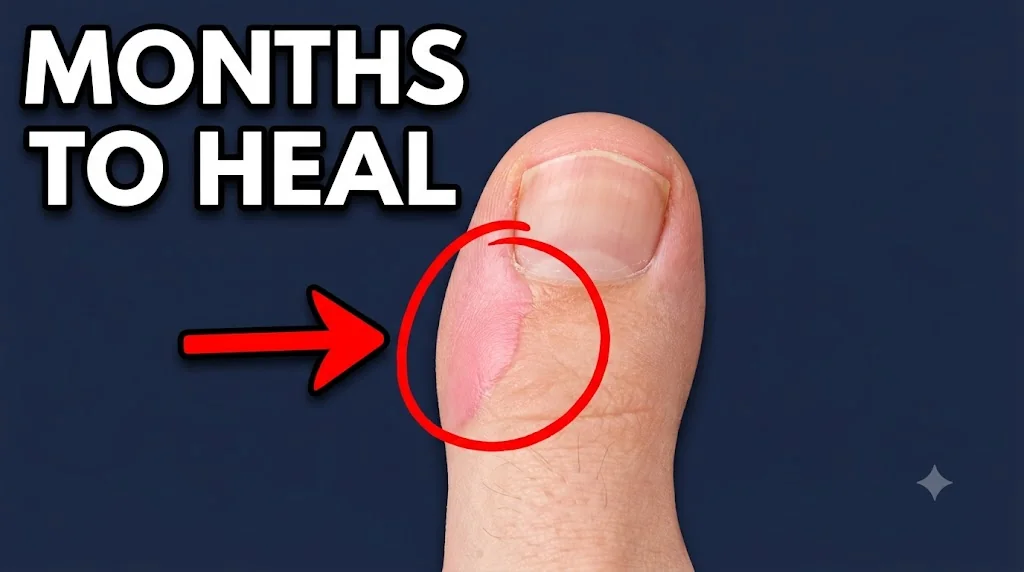
You have tried the product. Applied it every day for three months. The nail still looks exactly the same, maybe worse. And now you are not sure whether you picked the wrong treatment, whether OTC ever had a chance, or whether you need to see a doctor. Nail fungus treatment is one of those topics where the available advice ranges from vague to actively misleading, and most of it leaves you more uncertain than when you started.
This guide exists to change that. Nail fungus treatment follows a logical hierarchy based on nail biology, and once you understand that hierarchy, your options become clear. Dr. Cameron Rokhsar, MD, FAAD, FAACS, founder and medical director of New York Cosmetic Skin & Laser Surgery Center, states where the three medication tiers fit:
OTC topical antifungals penetrate the nail plate poorly, so they're realistically only useful for very early, superficial infection, not established thickened nails, and cure rates are low. Prescription topical efinaconazole or tavaborole penetrate better and skip the liver monitoring oral medication requires, but cure rates still sit in roughly the fifteen to thirty percent range with once-daily use over a year.
Oral terbinafine remains the most effective option by a real margin, cure rates around sixty to seventy percent over a six to twelve week course, which is why it's still my first choice for a healthy adult with a confirmed diagnosis, with baseline and monitoring bloodwork for liver function.
Why Nail Fungus Is So Difficult to Treat
Nail fungus treatment fails more often than most infections because the problem is structural, not chemical. The nail plate, a dense laminate of tightly packed keratin layers, sits directly between any topically applied medication and the fungus itself, which lives in the nail bed underneath. Most antifungal molecules cannot cross that barrier in clinically meaningful concentrations. The result: product on the surface, infection below, no contact.

Explore nail fungus inspiration gallery
Onychomycosis is the medical term for a fungal nail infection, most commonly caused by dermatophytes, a group of fungi that feed on the keratin in the nail plate and nail bed. Understanding the types of nail fungus matters here, because dermatophytes, yeasts, and moulds respond differently to different antifungal classes, which is part of why nail fungus treatment that works for one person may not work for another.
Three factors compound the penetration problem. Nail plates thicken over time as infection progresses, creating an even greater physical barrier. Nails grow slowly, roughly 1 millimetre per month for toenails, so even a successfully killed infection takes 9 to 12 months to grow out visibly. And the environment inside a closed shoe is warm and humid, ideal for fungal persistence and re-infection from footwear. Together, these factors explain why the treatment hierarchy exists at all. It is not about pill strength versus cream strength. It is about delivery: which formats can actually reach the site of infection.
Over-the-Counter Treatments: What They Can and Cannot Do
OTC nail fungus treatment can clear a superficial, early-stage infection. That sentence contains two conditions that eliminate most people reading it. Most nail fungus has already established itself beneath the nail plate by the time it becomes noticeable, and at that depth, OTC topicals have limited reach.
The strongest evidence among OTC ingredients sits with undecylenic acid at 25 percent concentration and terbinafine 1% cream. Both are fungicidal rather than fungistatic, meaning they kill the fungus rather than merely slowing its growth. Clotrimazole and tolnaftate are more effective for skin-based fungal infections around the nail than for subungual infection itself. OTC products that contain only these weaker actives alongside "natural" supporting ingredients are unlikely to clear an established nail infection.
Honest cure rate data for OTC options: roughly 10 to 30 percent for mild, superficial cases. For infection that has penetrated beneath the nail plate and turned the nail yellow, thick, or crumbly, that figure drops significantly. The people who do best with OTC treatment are those who start within the first few weeks of noticing a small white patch, use a high-concentration undecylenic acid product consistently, and file the nail surface before each application to improve penetration.
If you are several months into an OTC product with no visible change, that is not a sign to wait longer. That is a sign to escalate. The home remedies for nail fungus carry similar penetration limitations to OTC, and are worth understanding separately if you are weighing all available options before seeking a prescription.