The Three Types of Fungi That Cause Nail Infections
Not all nail fungus has the same origin. The organism matters, because different fungi behave differently, present differently, and in some cases respond to different treatments.
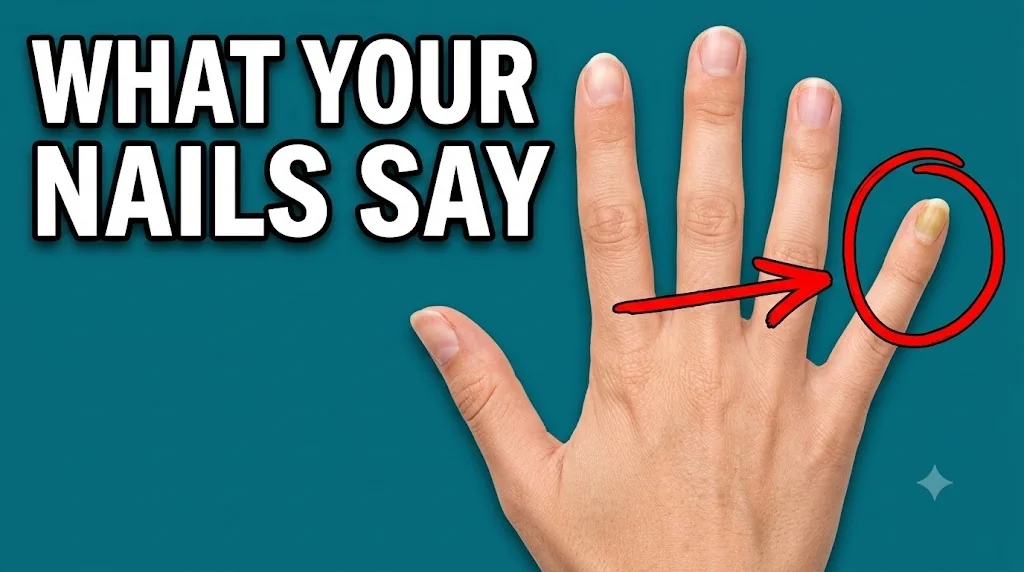
A dermatophyte is a type of fungi that feeds on keratin the protein that makes up the hard surface of your nails and accounts for approximately 90% of all nail fungus cases. Trichophyton rubrum is the most common single organism responsible for nail fungal infections worldwide. It is also the organism responsible for athlete's foot and ringworm. Dermatophyte-driven nail infections, clinically referred to as tinea unguium, typically begin at the free edge of the nail and progress inward, causing the nail to thicken, discolour, and crumble over time.
Yeasts, most commonly Candida species, account for a smaller proportion of nail infections more common on fingernails than toenails, and more frequently seen in people with compromised immune systems or those who keep their hands in water for extended periods. Mould infections are the least common category and tend to occur in older adults or immunosuppressed individuals, often affecting nails that have already been damaged by trauma or prior infection.
For a full overview of the types of nail fungus and how each presents clinically, the pillar guide covers this in detail. What matters here is the starting point: in the vast majority of cases, you are dealing with a dermatophyte, and the organism almost certainly entered through a break in the nail or surrounding skin.
The Most Common Ways People Contract Nail Fungus
The question is not where fungi live they are everywhere. The question is where conditions allow them to get in.
Fungi are present in the environment at all times: in soil, on surfaces, on human skin. Their presence alone does not cause an infection. What converts exposure into infection is the combination of a fungal load high enough to overwhelm local defences, a point of entry, and a set of conditions warmth, moisture, reduced airflow that allow the organisms to establish before the immune system responds.
Athlete's foot as a gateway. Tinea pedis commonly known as athlete's foot is one of the most direct precursors to nail fungus, as the same fungi responsible for the skin infection can migrate to infect the nail. The dermatophytes that colonise the skin between toes are the same species that cause most nail infections. If athlete's foot is not treated promptly, it frequently spreads to the nail, typically at the base or lateral edges. The path from skin to nail is short; the only barrier is an intact nail seal.
Communal environments. Gym shower floors, swimming pool surrounds, and locker room tiles are surfaces where dermatophytes can survive long enough to transfer to bare skin. Walking barefoot in these spaces is the most cited environmental route of transmission not because the floors are uniquely dangerous, but because the combination of warmth, moisture, and high foot traffic creates a persistent fungal reservoir. Wearing footwear in these spaces significantly reduces risk.
Contaminated footwear. Shoes hold moisture. Worn daily without adequate drying, they create an interior environment that can harbour fungal spores for extended periods. Synthetic materials that trap heat and prevent airflow compound this. If an infection has been present and the footwear has not been treated or replaced, re-infection is not just possible it is probable.

Explore nail fungus inspiration gallery
The nail salon transmission route. Unsterilised nail tools are a confirmed route of fungal transmission. Files, clippers, cuticle pushers, and foot baths that are not properly sterilised between clients can carry dermatophyte spores from one person to the next. The risk is not limited to obviously poor-quality salons; the critical factor is the sterilisation protocol, not the salon's price point. According to nail industry guidance on onychomycosis, instruments must be fully sterilised not just wiped down between clients to interrupt this transmission route. Asking specifically about sterilisation practices before a pedicure is a reasonable precaution.
Acrylic nails. The gap that forms between acrylic nail and natural nail when an enhancement lifts or loosens creates a moisture-trapping space precisely the conditions fungi require. The acrylic itself is not the cause; the sealed-in moisture is.
Why Some People Are Far More Likely to Get It
About 50% of people over the age of 70 develop nail fungus at some point. That figure, on its own, tells you that vulnerability is not randomly distributed.
Several factors determine whether a person who encounters nail fungi develops an infection or not. Age is the most consistent predictor older nails grow more slowly, become drier and more brittle, and develop more surface irregularities that give spores entry points. Circulation to the extremities also diminishes with age, reducing the immune response at the nail bed.

Explore nail fungus inspiration gallery
Genetic predisposition. Children of individuals with recurrent onychomycosis are statistically more likely to develop it themselves. This is not a simple inheritance of the infection; it reflects inherited immune characteristics that affect how efficiently the body detects and clears dermatophyte exposure. Variations in immune system genes, including those affecting the Dectin-1 receptor, can make individuals more susceptible regardless of their environmental exposures. If nail fungus runs in your family, the pattern is more likely genetic than a case of shared bathroom floors.
Sex. Men are up to three times more likely than women to develop onychomycosis. The reasons are not fully understood, but contributing factors include higher rates of athlete's foot in men, more frequent use of communal facilities, longer daily periods in enclosed footwear, and certain occupational exposures involving sustained foot moisture or trauma.
Hyperhidrosis. Hyperhidrosis, a condition that causes excessive sweating, creates persistently moist conditions around the nail that fungi require to establish and grow. People with hyperhidrosis who wear non-breathable footwear for extended periods are at substantially elevated risk, and the condition often goes unrecognised as a contributing factor in recurrent infections.
Occupation. Jobs that require prolonged standing, heavy boots, or exposure to wet environments construction, healthcare, food service create sustained conditions that raise individual risk regardless of hygiene practices.
Medical Conditions That Put You at Higher Risk
Podiatrist Dr. David Williams, DPM, of El Paso Feet, is direct about who carries the added risk:
People with diabetes or weakened immune systems are at an increased risk for nail fungus. If you start to get pain, notice yellowing or see your nails getting thick it is time to see your foot doctor. The longer the problem goes on without treatment the worse it gets. It gets harder to manage your nails when they get thick.
Diabetes. Diabetes does not directly cause nail fungus, but it creates three conditions that make infection far more likely: impaired peripheral circulation reduces the delivery of immune cells to the nail bed; peripheral neuropathy reduces sensation, so minor injuries go unnoticed and untreated; and elevated blood glucose creates a biochemical environment that actively promotes fungal growth. Approximately one third of people with diabetes develop onychomycosis, according to the American Academy of Dermatology. For people with poorly controlled diabetes, that prevalence is higher still.

Explore nail fungus inspiration gallery
Poor peripheral circulation. Any condition that reduces blood flow to the extremities peripheral artery disease, chronic venous insufficiency, Raynaud's syndrome limits the immune system's reach. The nail bed is already the least well-perfused area of the body; when circulation is further compromised, it becomes genuinely difficult for the body to mount a response to fungal colonisation even when infection is detected.
Immunosuppression. People taking immunosuppressive medications including those used in organ transplant management, rheumatoid arthritis treatment, and certain cancer therapies have significantly elevated onychomycosis risk. HIV-positive individuals are also disproportionately affected. When the immune system cannot maintain its normal fungal surveillance, opportunistic organisms that would otherwise be cleared can establish persistent infections.
Psoriasis. Nail psoriasis creates structural changes in the nail pitting, onycholysis, thickening that compromise the nail's integrity and provide entry points for fungal spores. People with psoriasis have elevated rates of concurrent nail fungal infection, and the two conditions can be difficult to distinguish clinically without laboratory testing.