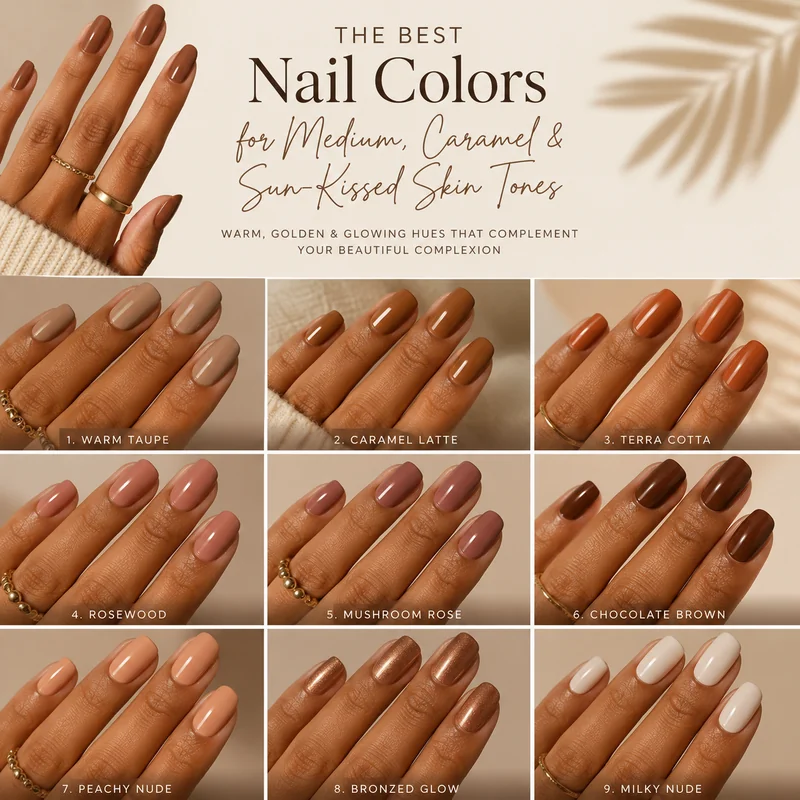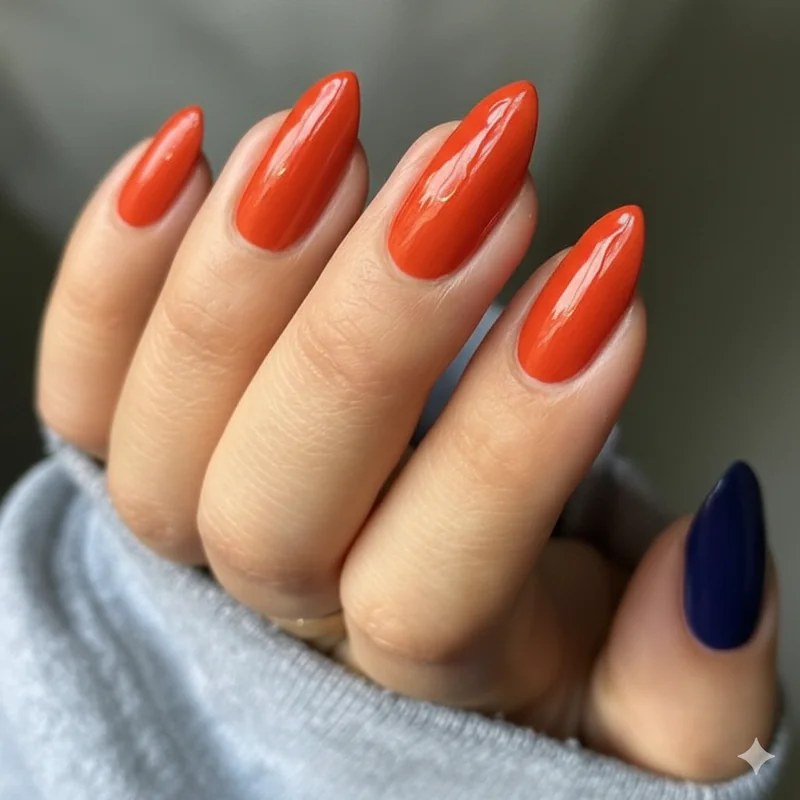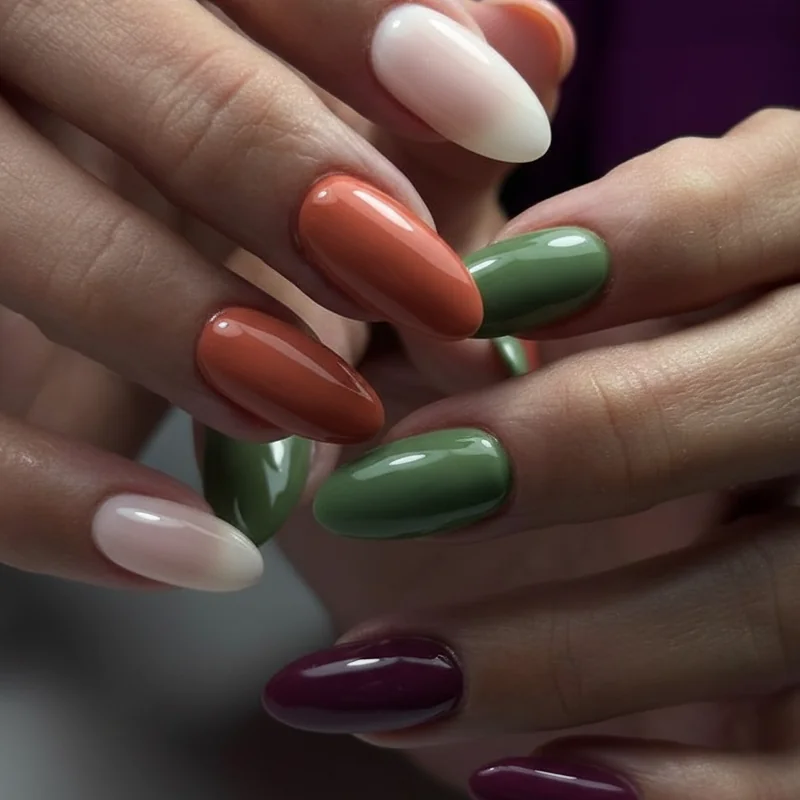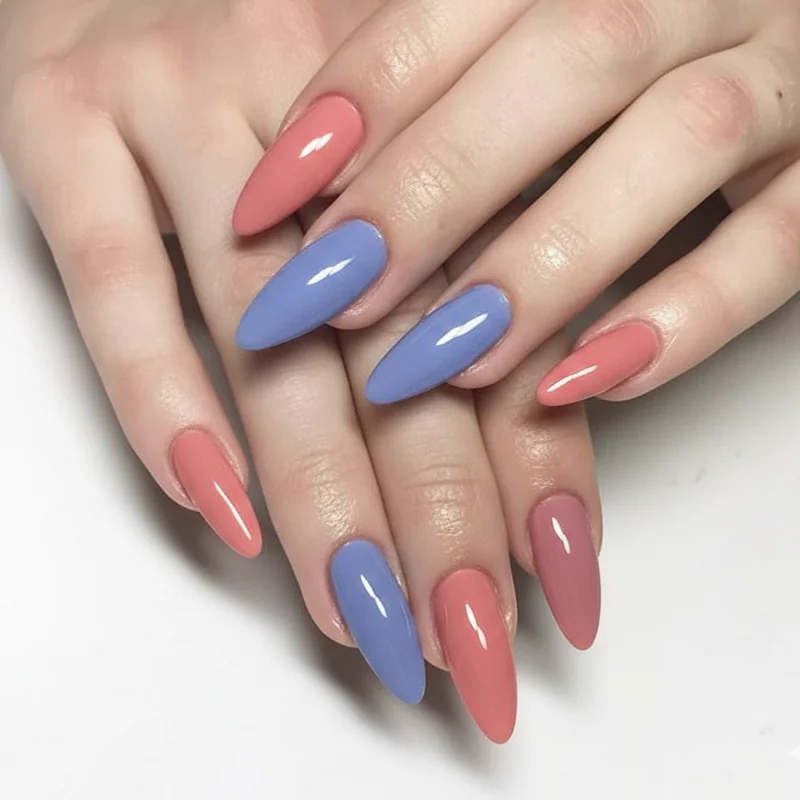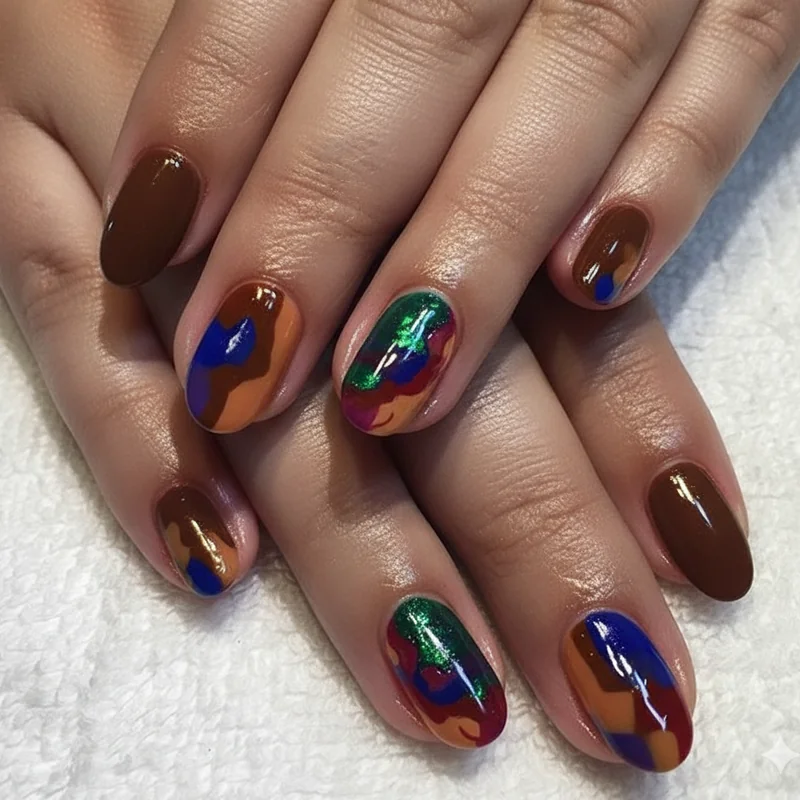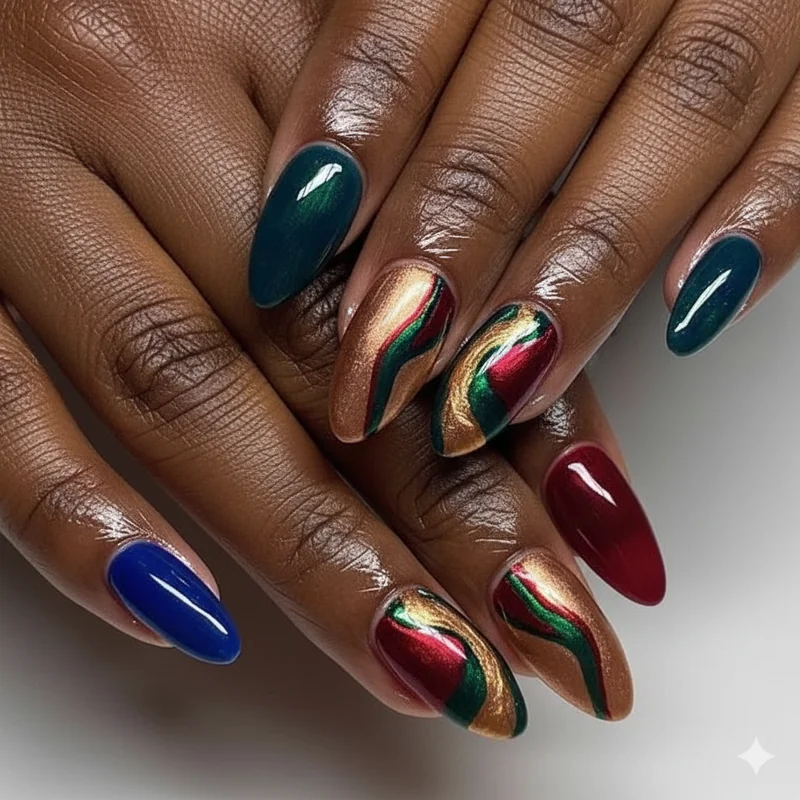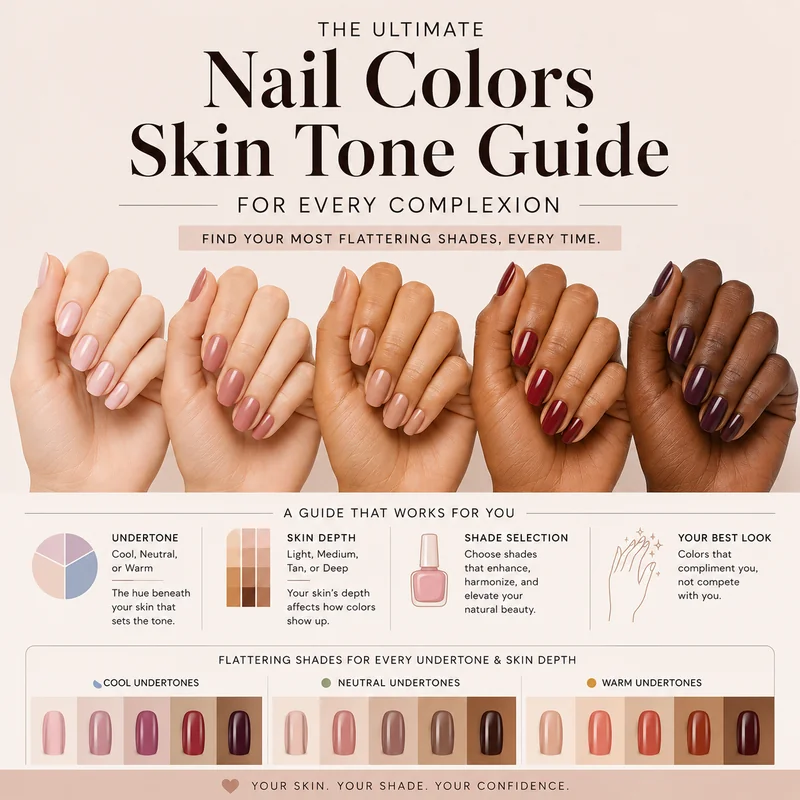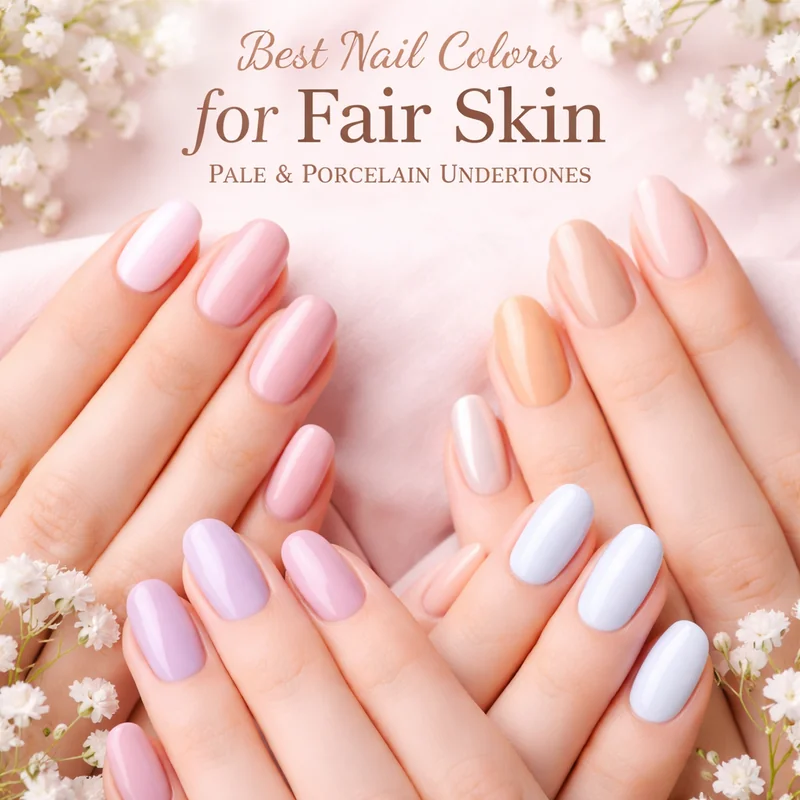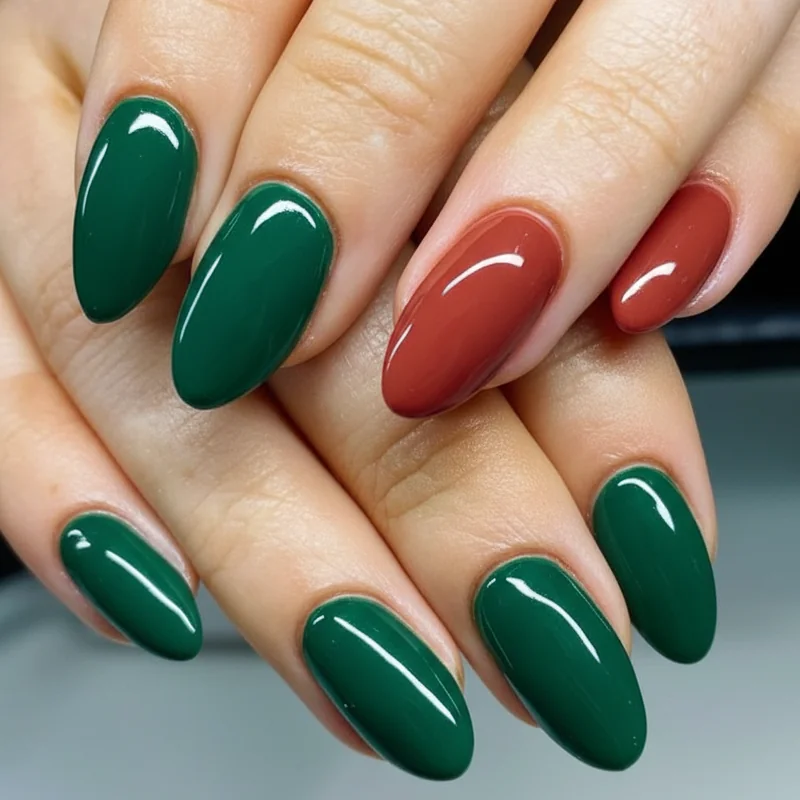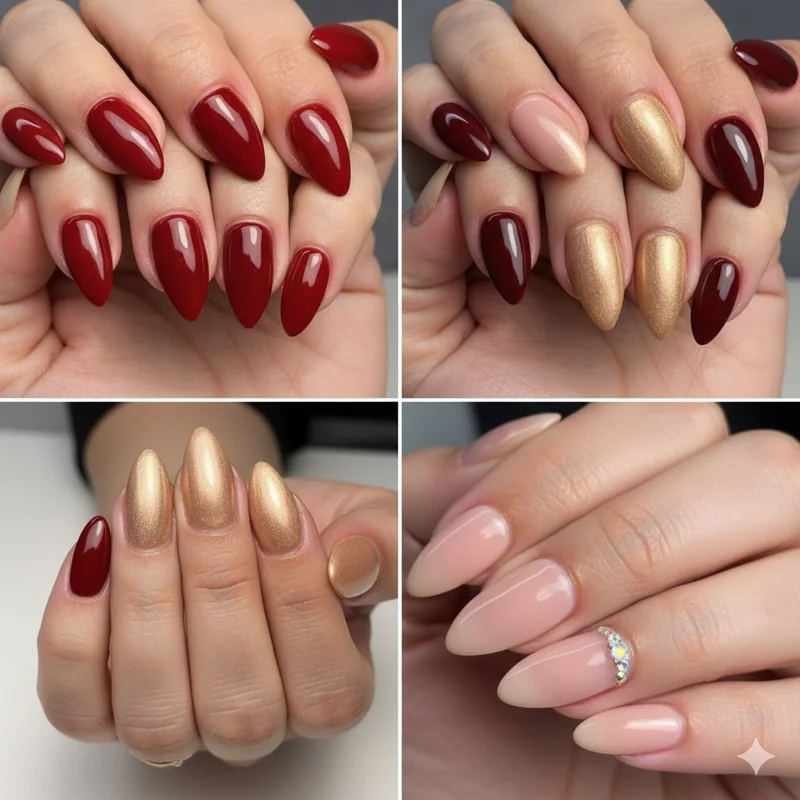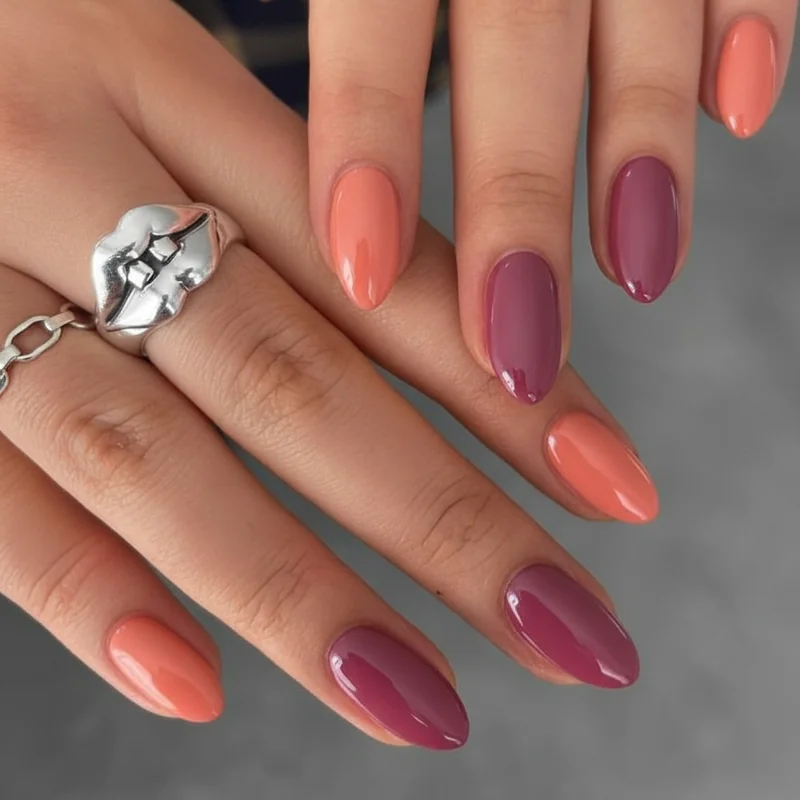
Gel nail colors for skin tone require a different decision framework than regular polish and most guides skip the part that actually matters.
Regular polish sits on the nail as a thin film with a slight sheen. Gel cures into the nail plate under UV or LED light, transforming in texture, depth, and finish. The colour you chose from the bottle or swatch book is not always the colour you end up with. Add in gel's inherent high-gloss topcoat, which amplifies every shade and changes how it reads against your skin, and you have a medium that behaves by its own rules. This tutorial is built around those rules. If you have ever picked a gel that looked beautiful in the salon and returned home to something you didn't recognise, this is why and this is how you fix it. Before diving in, the complete guide to nail colors for every skin tone gives you the full colour landscape this tutorial builds on.
Why Choosing Gel Colors Is Different from Choosing Regular Polish
Gel polish behaves like a different material once it's cured.
The UV LED curing process does more than dry the polish it polymerises it, changing its refractive index and how light passes through the colour layer. This is why a nude that looked peachy in the bottle reads more golden on your nail. It's also why a sheer pink can deepen by half a shade once cured, and why a milky white can pull warmer than you expected. The gel topcoat dispersion layer then sits over all of this, adding a gloss that amplifies the shade's pigmentation and depth. Against your skin, that amplified finish is what you're actually looking at.
Regular polish evaporates solvent as it dries, which simply sets the pigment in place. Gel undergoes a chemical reaction. The two processes produce different final colours from the same starting pigment, which is why every piece of generic nail colour advice including "wear warm tones for warm skin" applies to gel only when you account for what curing does to the shade first. This guide covers how to do exactly that.

Step 1: Find Your Undertone (The Method That Works Every Time)
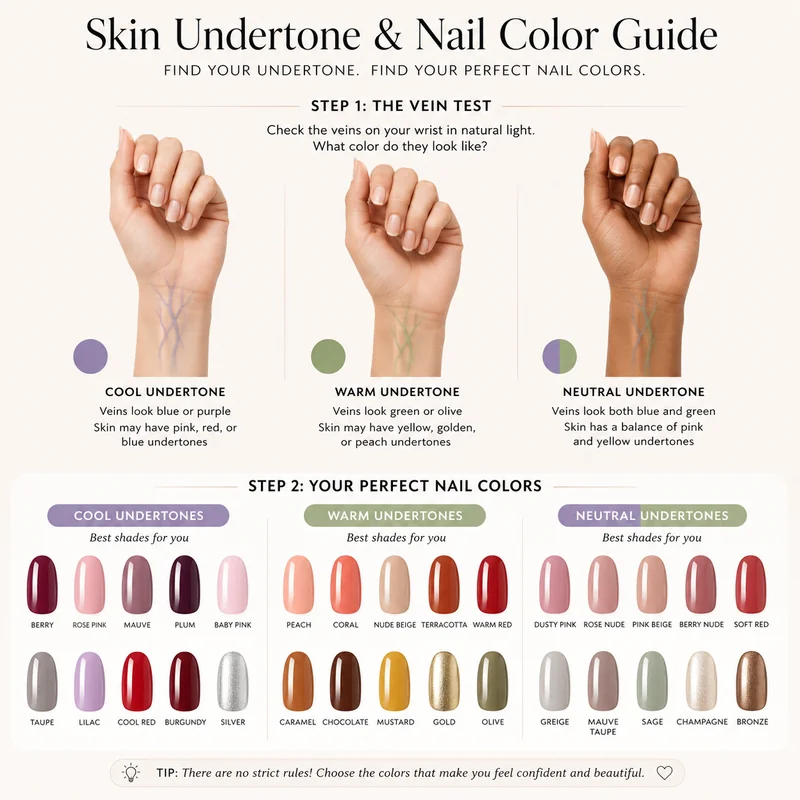
Your skin tone and your undertone are not the same thing. Skin tone is how light or deep your complexion is. Undertone is the colour cast beneath it warm, cool, or neutral and it doesn't change with a tan or in different lighting. Getting this right is the foundation of every decision that follows.
The vein test is the fastest. Look at the inside of your wrist in natural daylight. Blue or purple veins read as a cool undertone. Green veins (which are actually blue veins seen through yellow skin) indicate warm. A mix of both is neutral. The dedicated undertone guide walks through the full method for identifying your undertone with confidence, including the jewellery test and the white paper test, which together eliminate guesswork. For supplementary reading on undertone identification, Mirellé's skin tone matching guide covers the complete undertone-to-colour framework.
The reason undertone matters more in gel than in regular polish is the glossy finish. A cool-toned nude on a warm-undertone hand will look grey under the amplification of gel's high-shine topcoat noticeably more so than it would as a matte regular polish.

Step 2: Understand How Gel Opacity Changes Everything
Three coats of a sheer gel formula and two coats of an opaque one can produce very different interactions with your skin, even if the colour on the bottle looks identical.
A sheer or jelly gel formula lets your natural skin colour show through. On fair skin, a sheer pink will appear lighter and more translucent the skin beneath brightens it. On deeper skin, the same sheer pink may read as a cool, faintly tinted gloss rather than a definable colour. Neither result is wrong, but they're not the same manicure. The number of coats you apply directly affects the result: one coat of sheer gel reads as a stain, two reads as a buildable tint, three reads as a colour. Understanding this is how you take control.
Opaque gel formulas are fully pigmented from the first coat. They sit on the nail independently of your skin tone and read as a solid colour. For deeper skin tones, opaque formulas are generally the stronger choice because they deliver the full pigment pay-off saturated shades like cobalt, cherry, and warm amber look exactly as intended. Sheer formulas on very deep skin can disappear, which is frustrating when you've committed to two weeks of wear. For a thorough breakdown of how sheer and opaque formulas differ in behaviour, Londontown's guide to sheer vs opaque is a useful reference point.