What Actually Happens Under Acrylics and Gel
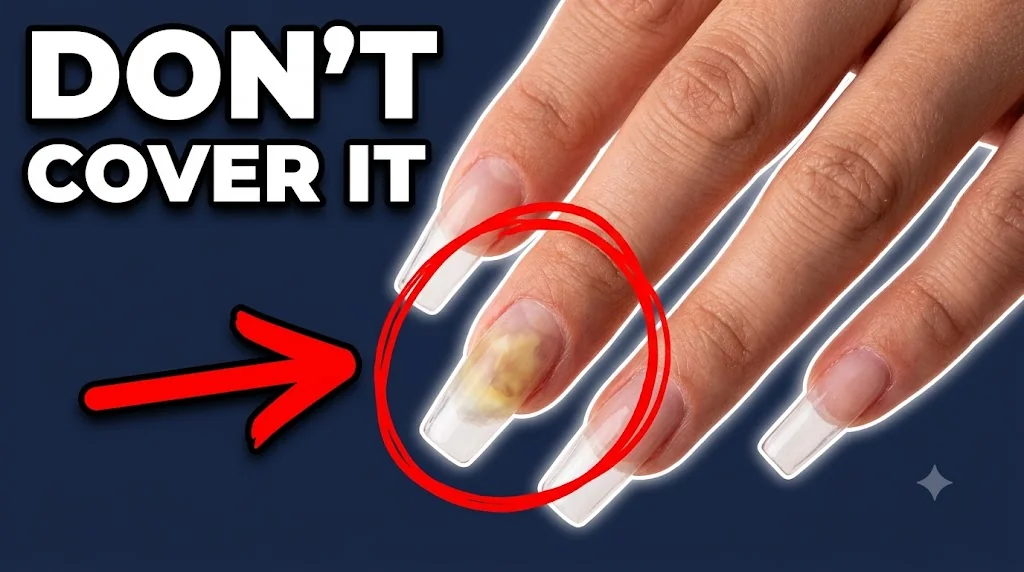
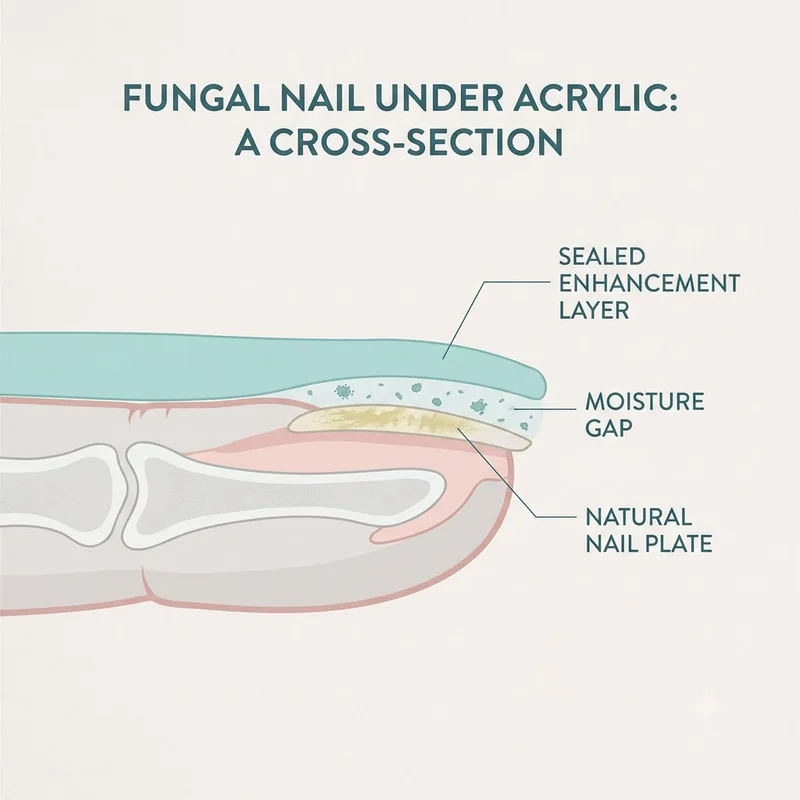
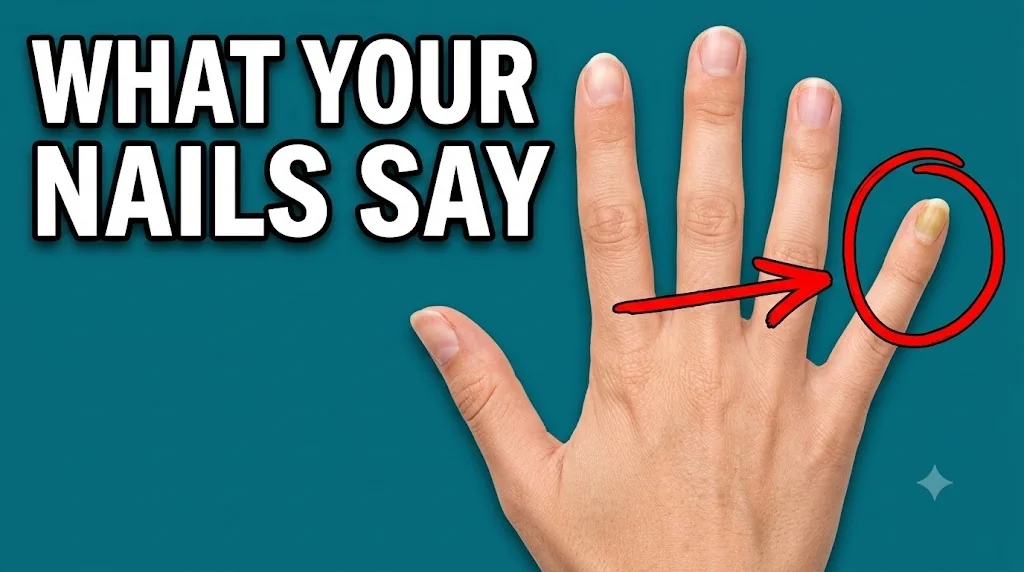
Acrylic nails can make nail fungus worse, which is the opposite of what a covered, protected-looking nail promises. The enhancement seals the nail plate, moisture collects wherever an edge lifts, and the infection carries on unseen.
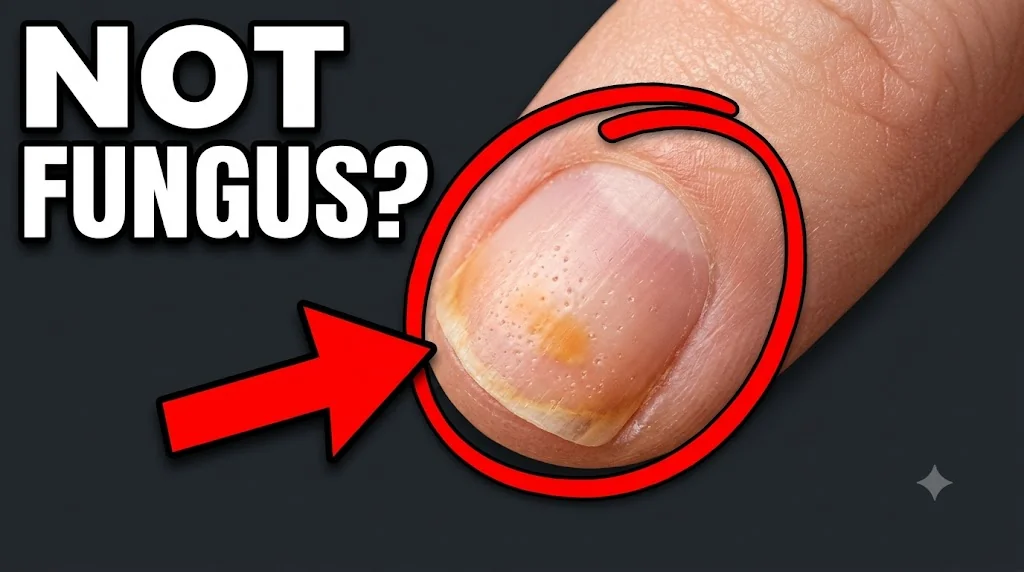
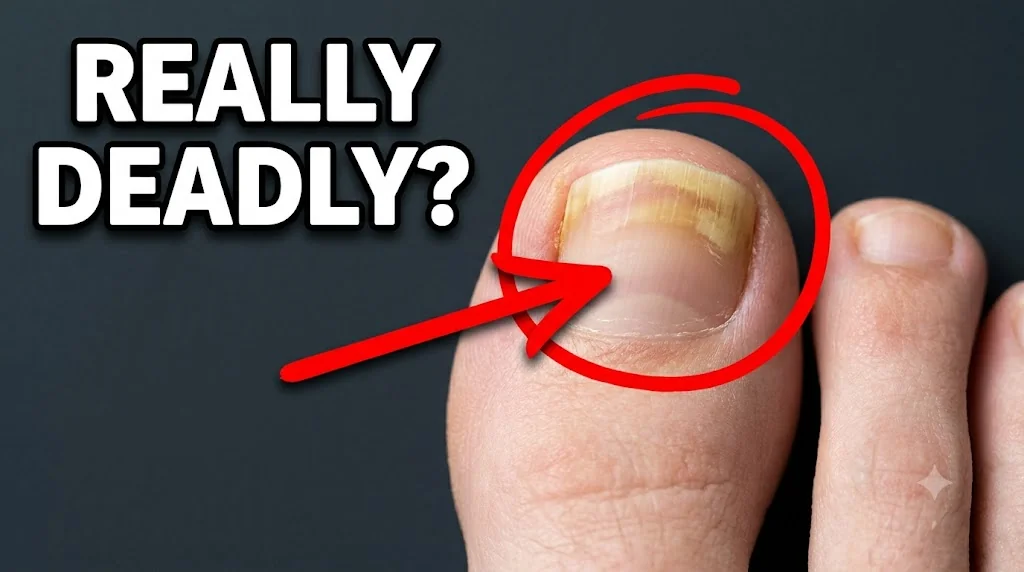
Onychomycosis is a fungal infection of the nail plate, nail bed, or matrix. Fungi favor damp, closed spaces, and a lifting acrylic or gel edge builds exactly that: a small gap, a little moisture, and no view. A yellow patch can keep spreading behind glossy color while nobody looks at it. Healthline's medically reviewed guide on fungus and acrylics points to a study of women with nail problems after acrylic removal when it explains how moisture trapped under loose enhancements becomes the problem.
If enhancements are on right now, taking them off comes first, and how to remove gel polish at home without damaging the nail is the place to start, since prying or peeling at them harms the nail plate.
Why Covering It Blocks Treatment
Covering an infected nail feels like protection, but it works like a lid. You cannot treat nail fungus properly while wearing acrylics, because a topical antifungal has to touch the nail to work and the enhancement sits in the way. That leaves oral medication as the only route, and oral medication carries risks of its own.
Occlusion is sealing a surface so moisture cannot escape, and acrylic and gel occlude the nail plate completely. A podiatrist puts the problem in plain terms, saying that applying polish over infected nail material "will exacerbate the infection in the already infected nail." The same podiatrist adds that polish on an infected nail "prevents treatment with topical drugs, leaving only oral medication options, with added systemic risks."
Acrylic and gel are harder to remove than polish, which makes reaching the nail for regular topical treatment even less practical. Which treatments exist and how they work is covered in what actually kills toenail fungus. The point here is narrower: topical options need direct contact with the nail, and a sealed layer takes that contact away.
The Salon Risk: Other Clients and Your Other Nails
Yes, a nail tech can refuse to do your nails if you have a fungal infection, and the good ones do. Cosmetology board rules can bar technicians from servicing visibly infected nails, and a technician can decline any service they judge unsafe. A refusal is protocol, not a verdict on you.
That is why acrylic nails over fungal nail put a technician in an impossible position. The service cannot be done safely on that nail, and skipping the conversation only moves the risk to the next client in the chair. The podiatrist quoted above rates cross infection as the bigger worry, pointing to "the potential for cross infection with other clients." Your own nails are not safe either, since tools that touch an infected nail can carry fungal spores to healthy ones, and the real risks of untreated nail infections reach well beyond how the nail looks.
Sterilization method is the check that matters. Steam sterilization, done in a machine called an autoclave, uses pressurized steam to kill spores. Cold sterilization, which means soaking tools in a solution between clients, does not. The podiatrist advises confirming "adequate functioning steam sterilization for all tools used in care delivery," and calls the soaking method "inadequate," warning it can "expose the client to life threatening infections." Nail education guidance for technicians says the same from the other side of the table: refer the client to a podiatrist.
What to Do Instead While You Treat It
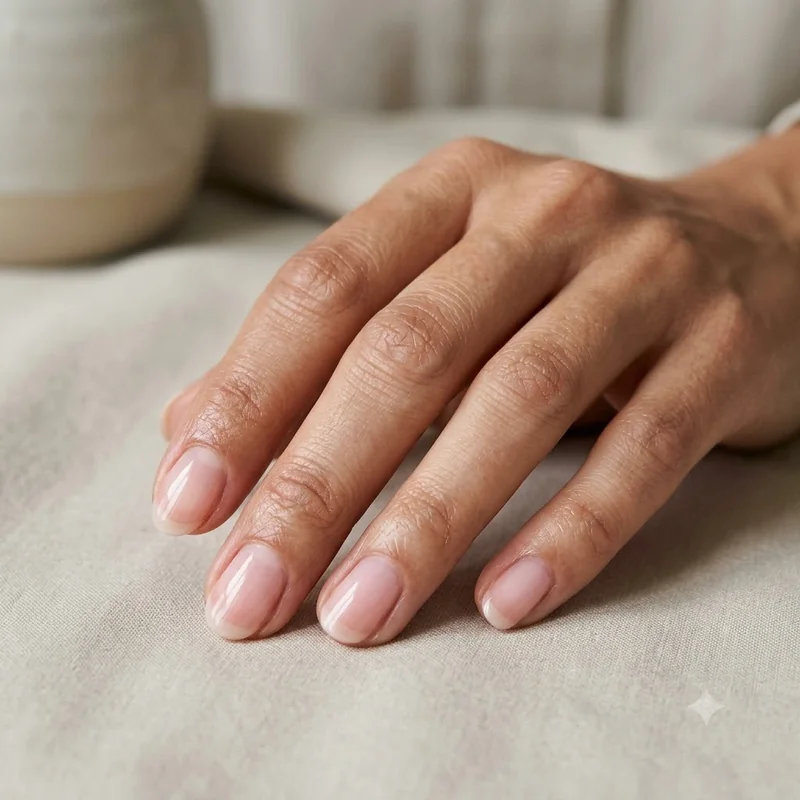
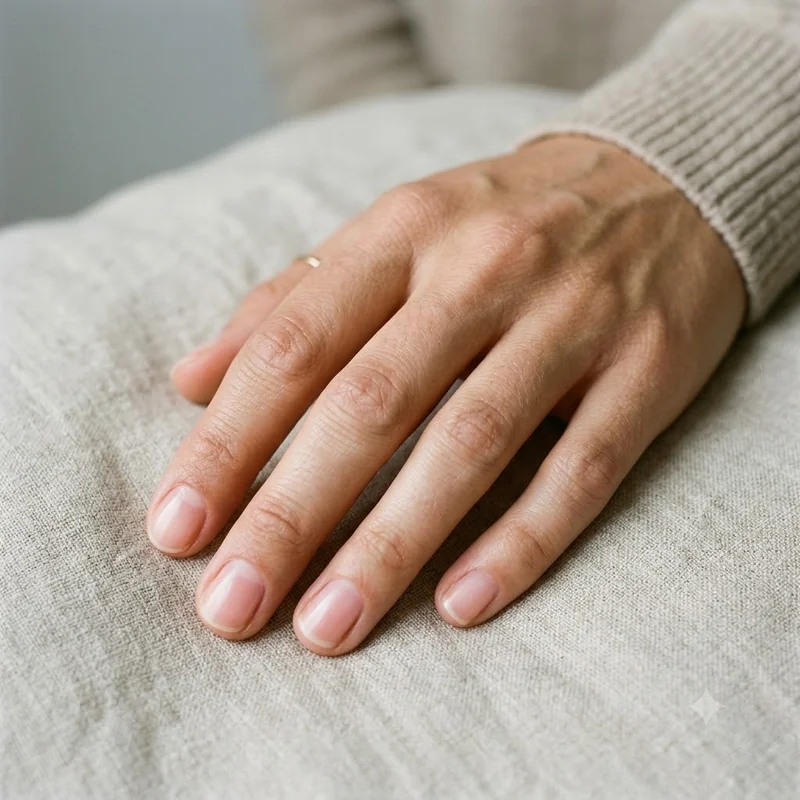
One thin coat of sheer regular polish, for a single event, is the most cover a fungal nail should get, and clean, short, bare nails are safer still. Polish still covers the nail, so it is a short exception rather than a routine, and it should come off before treatment resumes. A podiatrist can confirm what is safe for your particular infection.
Picture the week before a wedding: one yellow nail, a full calendar, and no appetite for a lecture. Here is the order that works.
- Book the podiatrist before the event, not after it. A podiatrist can thin a thickened nail (debridement), which can improve how it looks before any color goes on.
- Take off any enhancements, then keep the nails short and filed smooth.
- Wear one thin coat of sheer pink or clear polish on the day, and remove it soon after the event ends.
A polish sold as breathable still coats the nail, so count it as polish. Regular polish is a compromise, and how nail polish interacts with toenail fungus covers the trade-off in more detail.