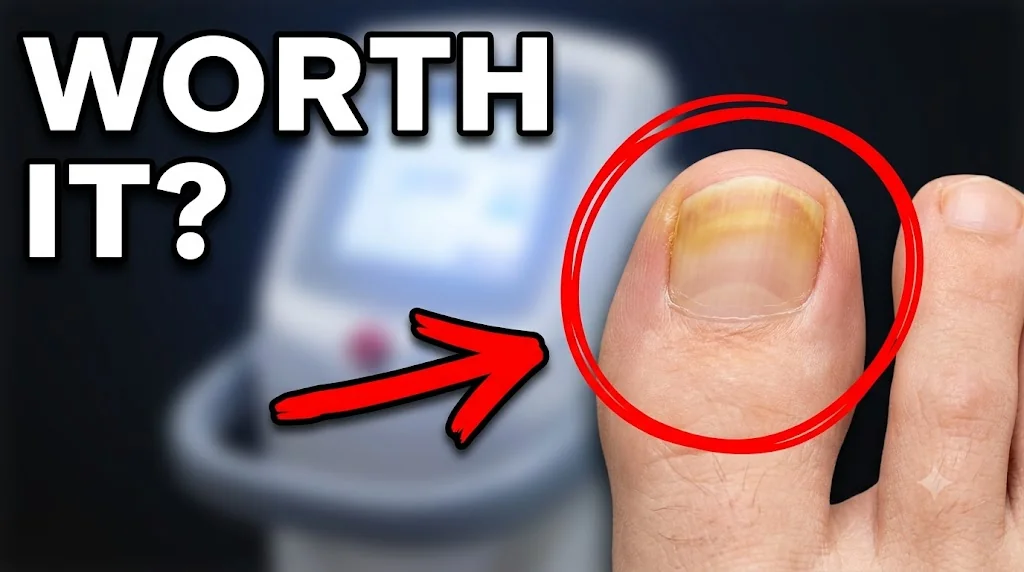
How a Fungal Nail Turns Into a Dangerous Infection
The fungus is not the danger. The door it can open is. Toenail fungus can lead to sepsis only through a secondary bacterial infection, and the route is rare. Left untreated for years in an otherwise healthy person, it usually means a thicker, more discolored nail and little else.
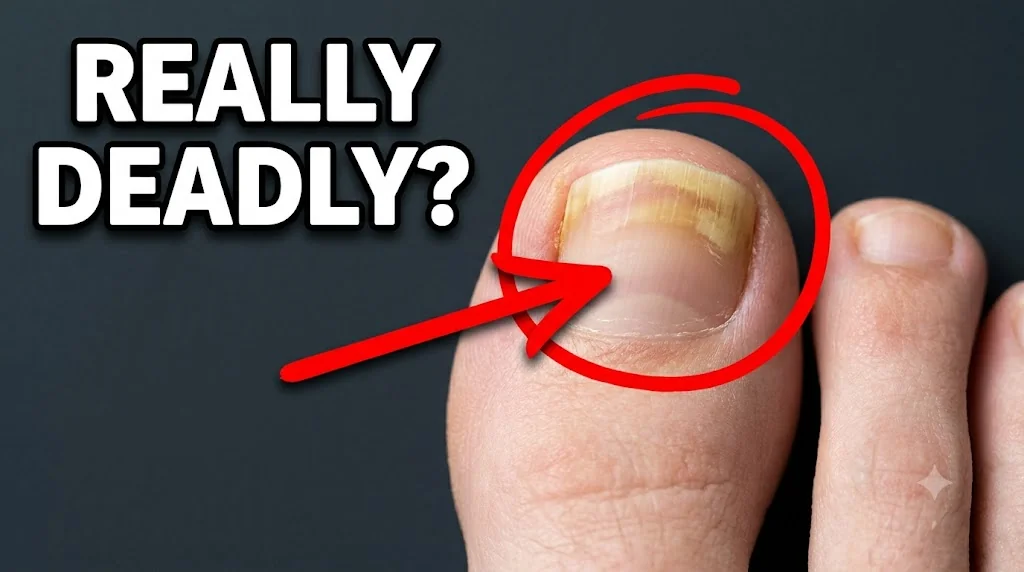
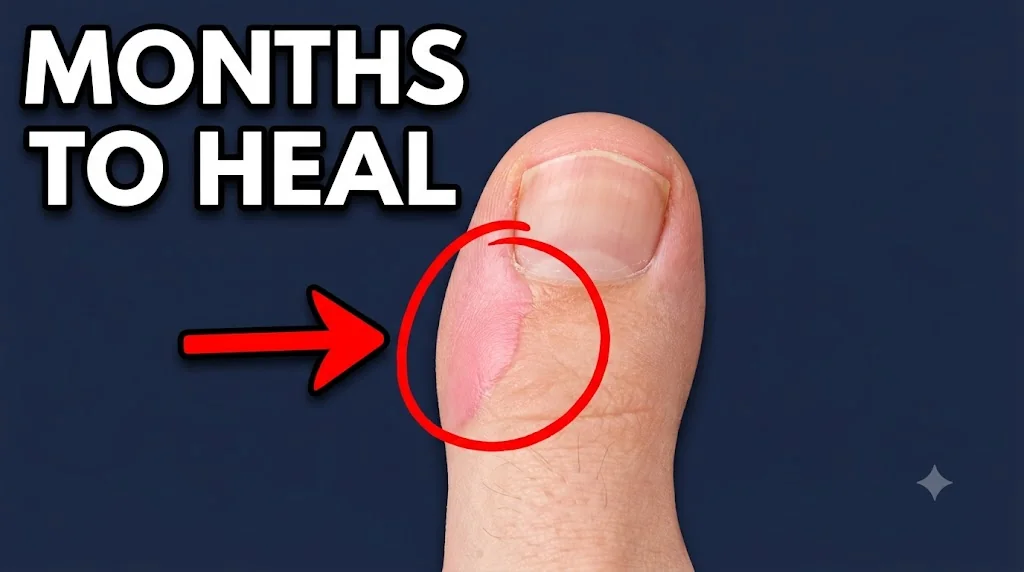
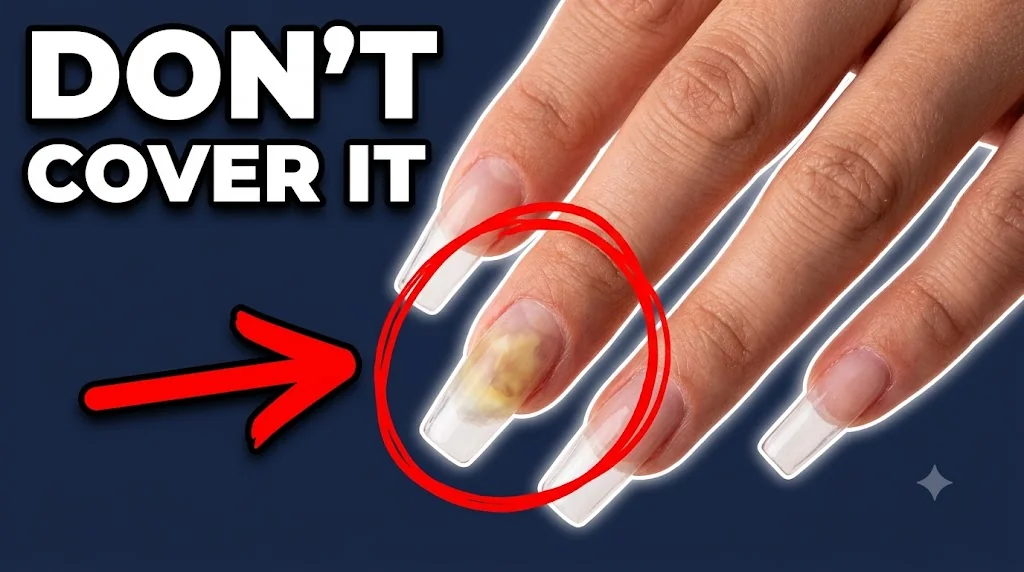
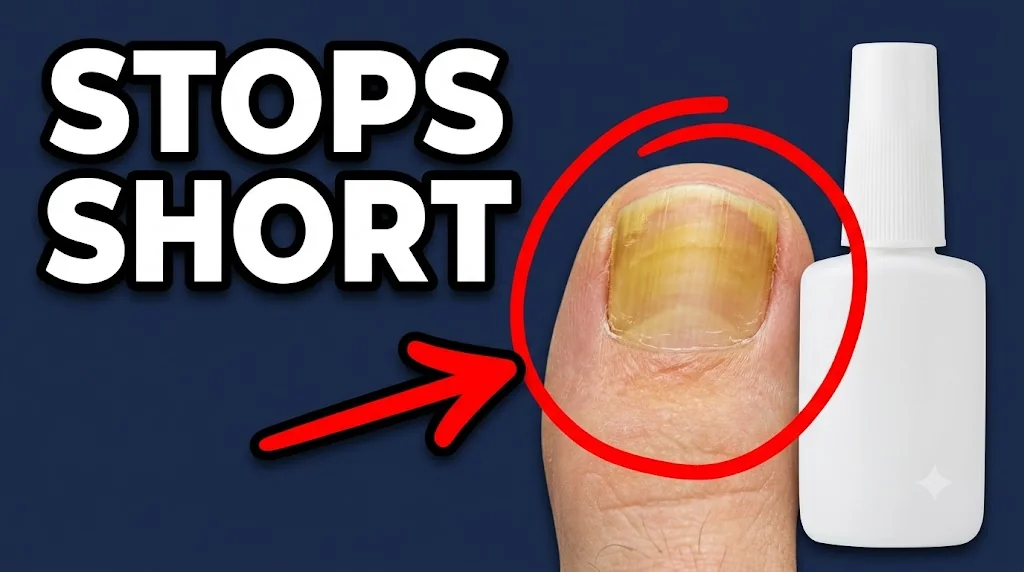
It starts quietly, with the changes covered in our guide to recognizing toenail fungus symptoms early. Fungus feeds on keratin, the protein that forms the nail, so the nail thickens and may lift from the nail bed. A thick, brittle nail cracks more easily, and a crack in the nail, a cut in the skin beside it, an athlete's foot fissure, or an ingrown edge gives bacteria a portal of entry.
Cellulitis is a bacterial infection of the deeper layers of skin that causes spreading redness, warmth, swelling, and pain. That is how it differs from fungus, which changes the nail's color and texture rather than the skin around it. Sepsis is the body's life-threatening reaction to an infection, and it is a medical emergency. The full pathway behind every serious answer to can toenail fungus kill you is a fungal nail, a break in the skin, bacteria, cellulitis, and very rarely the bloodstream. Cleveland Clinic's toenail fungus overview lists cellulitis as a rare complication.
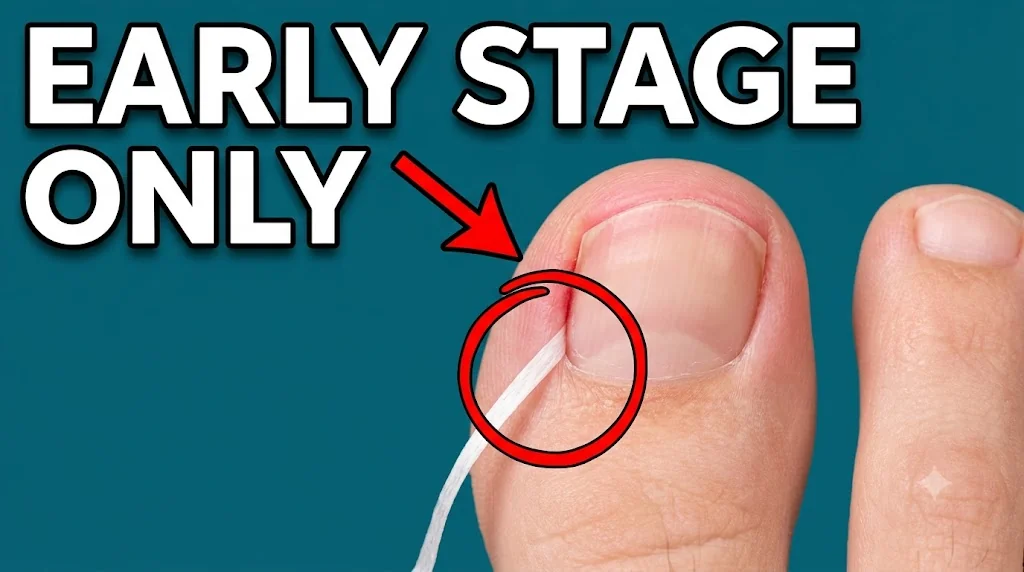
One podiatrist names the moment to act: "If your toenail turns from a fungal toenail into an ingrown toenail with redness, swelling, pain, and drainage, you should see your doctor right away."
Diabetes and Poor Circulation: Why the Risk Is Higher
Diabetes is where the answer stops being theoretical. Toenail fungus can lead to amputation in advanced cases, and the link is documented in people with diabetes, where the infection has been tied to secondary infection and foot ulcers. The people at higher risk of serious complications are those with diabetes, poor circulation, or a weakened immune system.
A 2025 review describes one study in which confirmed onychomycosis appeared in 26% of people with diabetes, against 9.1% of people without it. Diabetes is also the leading cause of lower-limb amputation in the United States, and that usually follows a foot ulcer that will not heal. The fuller picture is in our guide to diabetic nail care and infection risk.
Peripheral neuropathy is nerve damage in the feet that dulls pain and touch. With it, a crack beside a fungal nail can go unnoticed for days, and reduced blood flow slows the healing that would normally close it. For someone with diabetes, can toenail fungus kill you becomes a fair question rather than an anxious one, because a small nail problem can start a chain that ends in an ulcer and infection.
If you look after a parent or partner with diabetes, their nails are worth noticing on their behalf, since the sensation that would alert them may be missing.
Can Toenail Fungus Get Into Your Blood? The Weak-Immune-System Exception
Nondermatophyte molds, not the dermatophytes behind most toenail infections, are the rare route by which toenail fungus reaches the bloodstream, and the documented danger centers on people who are severely immunocompromised. In healthy people, toenail fungus does not usually spread inside the body. Nondermatophyte molds are environmental fungi that can occasionally infect the nail and, in severely immunocompromised people, spread beyond it.
As a Nebraska Medicine dermatologist explains, molds and yeasts of this kind can spread and cause death in severely immunocompromised people, and these infections are rare. Case reports describe the toenail as the starting point of fungal cellulitis in immunosuppressed patients, including after a stem cell transplant.
Severely immunocompromised covers people during chemotherapy, after a stem cell or organ transplant, or on strong immune-suppressing medicine. If that describes you or someone you care for, treat any change in a toenail as a reason to call the care team, not something to watch. If your immune system works normally, this exception is not written about you.
When It Isn't Fungus: The Dark Streak Worth Checking
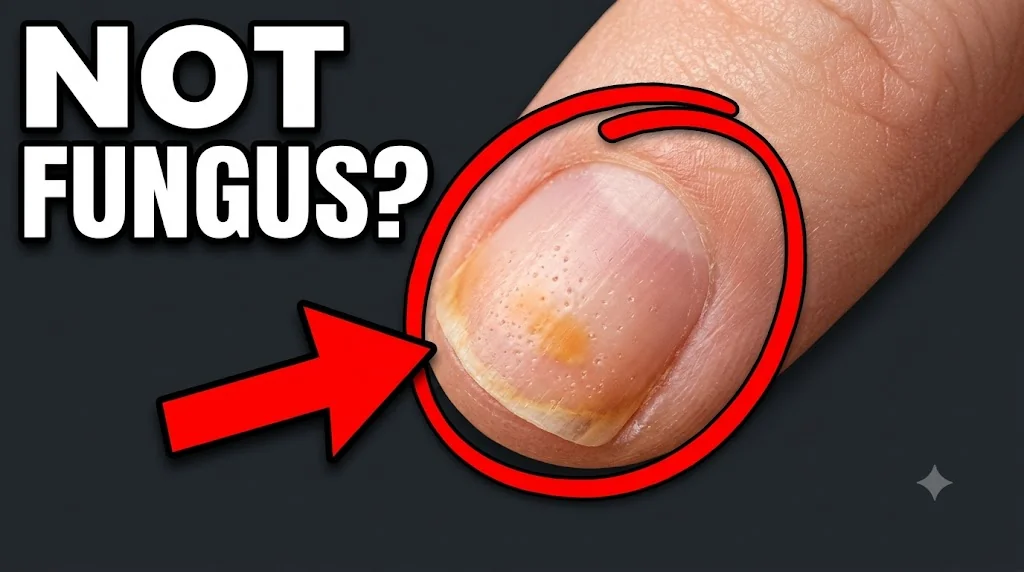
Most people assume a discolored nail is fungus until proven otherwise. A dark streak deserves the opposite assumption. Toenail fungus can be confused with skin cancer, because subungual melanoma can look like a stubborn discolored nail. Subungual melanoma is a form of melanoma that begins in the pigment-producing cells beneath the nail.
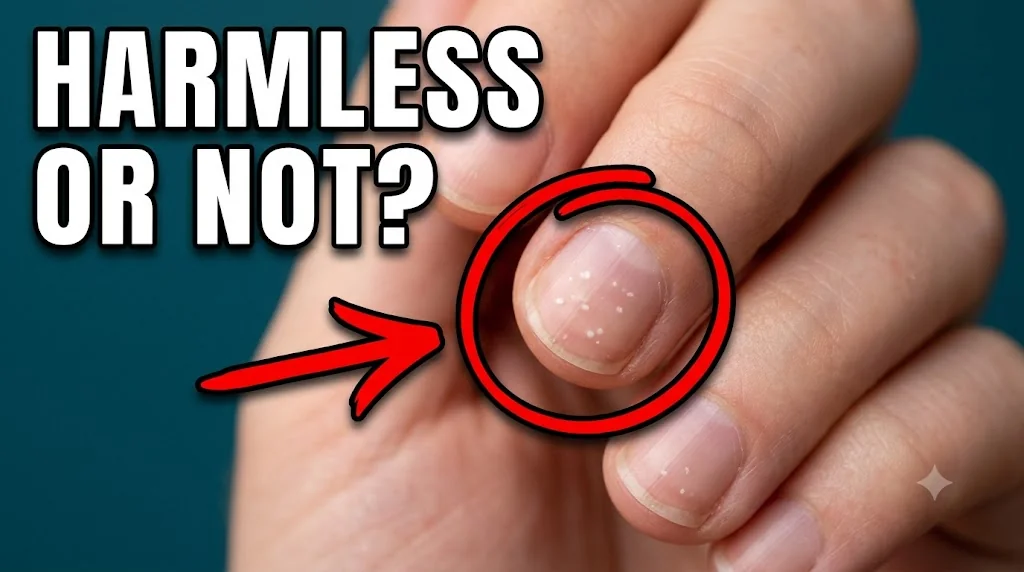
It is uncommon, accounting for 0.7% to 3.5% of melanomas, according to Moffitt Cancer Center. The tell is time. A bruise grows out with the nail, and a melanoma streak does not. Fungus, a bruise, and melanoma can all darken a nail, so a dark streak can be one, another, or none of the above, and only an examination can sort them out. Our guide to the dark nail line that can signal melanoma covers the warning signs in detail.
A streak that is new, changing, or not moving out with the nail belongs in front of a dermatologist, and sooner is better.