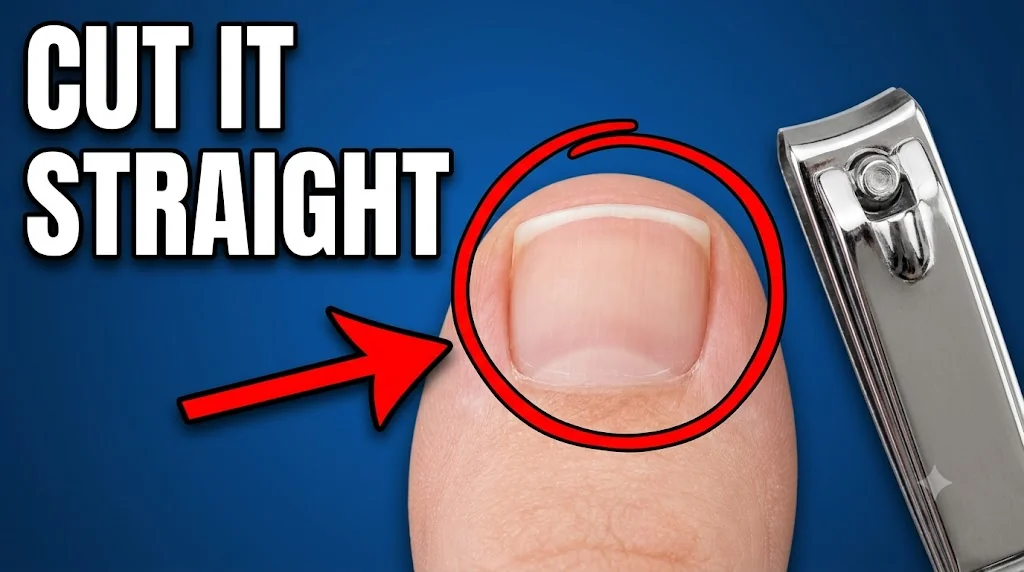
Advice on diabetic nail care contradicts itself, so here is the answer first: trim your own toenails only if you can see your feet, feel them, and have healthy nails with no history of foot ulcers. If any one of those is missing, let a podiatrist do it.
The nick you never feel is the whole problem. Reduced feeling and slow healing let a small cut sit open for days, which is why one source says never cut your own toenails and another says just cut straight across. Below is the rule for diabetic nail care at home.
Most pages settle for a blanket "never" or a sales pitch for a treatment menu. This one sorts you into a group first, because two readers of the same age can need opposite advice: one feels every toe, the other has numb feet. You will get the technique with real measurements, plus the situations most guides skip: salon pedicures, helping a parent or partner, a nail cut too short, and what Medicare will and will not pay for.
At Mirellé, we treat this as a nail health question, so the advice here is plain and practical. It is general information, not a replacement for your care team.
Why Is Diabetic Nail Care Different From Regular Nail Care?
Diabetes changes nail care for two reasons: it dulls the pain signal, and it slows healing. Nerve damage can mute the pain from a cut or a nail digging in, and reduced circulation slows the repair that follows. One nail health expert notes, "People with diabetes need to be more careful with nail care because elevated blood sugar can affect circulation, nerve sensation, and the body's ability to fight infection and heal."
Diabetic nail care is the practice of trimming and inspecting nails in a way that avoids skin injury, because nerve damage or poor circulation can hide an injury or slow its healing.
Peripheral neuropathy is nerve damage from prolonged high blood sugar that reduces feeling in the feet. It often starts in the toes and stays quiet. Some people notice numbness or tingling, and others notice nothing until an injury turns up.
Circulation is the second half. Blood delivers oxygen and infection-fighting cells to a wound, and narrowed vessels slow that delivery. A nail corner pressed into the skin, a torn cuticle, or a nail cut too deep becomes a doorway for bacteria, and the body is slower to close it.
Picture a smoke alarm that has stopped working. The fire is still real, you just do not hear it. The point of diabetic nail care is to prevent the injury, because pain will not always warn you.
The American Diabetes Association foot care guidance makes the same case: nerve damage and poor circulation are what turn small foot injuries into serious ones.
Can Diabetics Cut Their Own Toenails? A Simple Safe-or-See-a-Podiatrist Rule
Five checks decide whether diabetic nail care can happen at home, and you need to pass all five. If you can see your feet clearly, feel them, have normal-looking nails, have no history of foot ulcers, and have steady hands, careful home trimming is a reasonable choice. Miss even one and a podiatrist should trim your toenails.
The five checks:
- You can see your toenails clearly, without straining or guessing.
- You can feel your feet, including light touch and temperature.
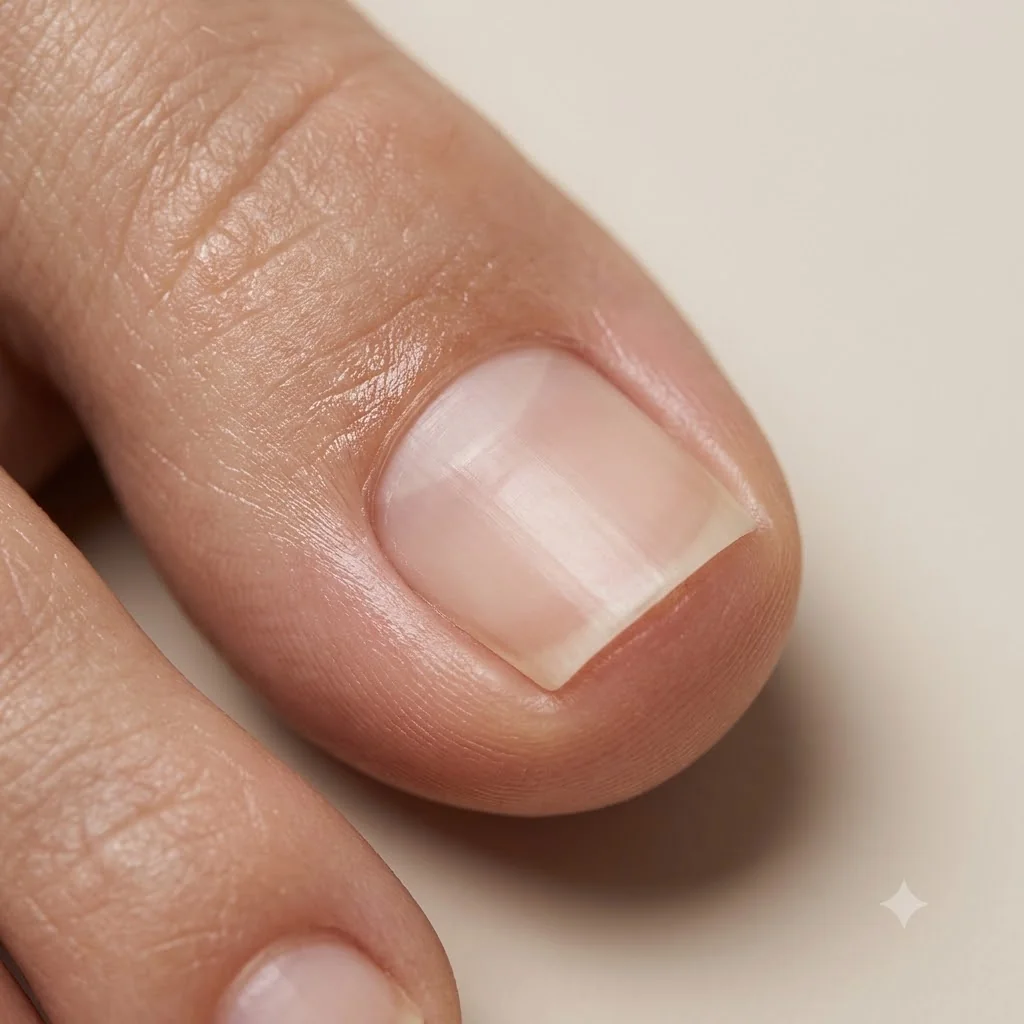
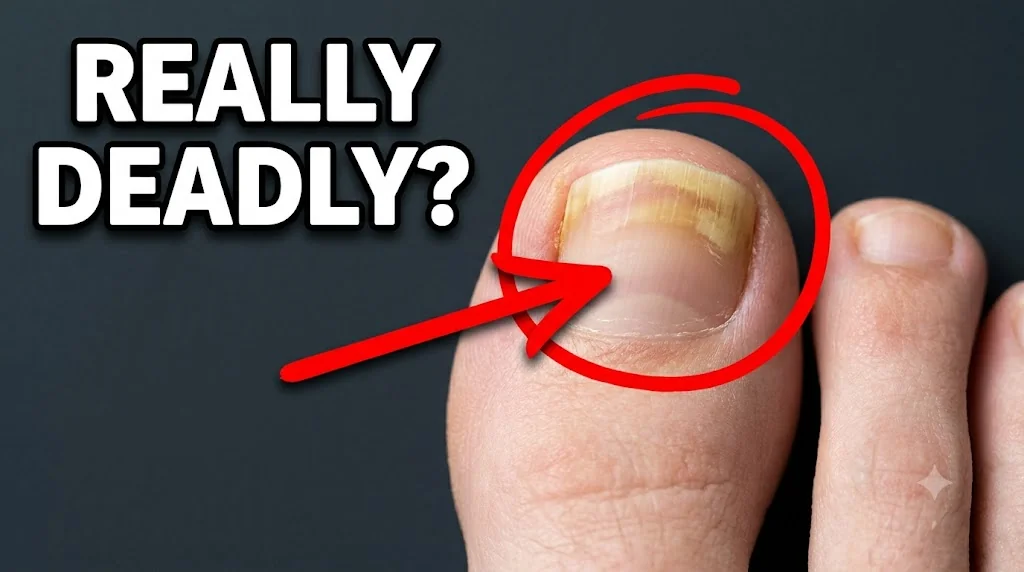
- Your nails look normal: not thick, curled, crumbling, or discolored, and no edge is growing into the skin.
- You have no open sores now and no past foot ulcers.
- Your hands are steady, and you can reach your feet comfortably.
The second check is the one people skip, so it earns a definition. Protective sensation is the ability to feel a cut, pressure, or heat on your foot in time to react. Doctors test it during an annual foot exam with a monofilament, a thin nylon fiber pressed lightly against several spots on each foot. Between visits, warning signs of lost sensation include not noticing bathwater that is too hot, finding a blister you never felt form, and numbness or tingling in the toes.
This explains the contradictory advice. "Never cut your own toenails" is written for readers who fail a check, and "cut straight across" is written for readers who pass all five. The sorting matters more than the technique in diabetic nail care, since a flawless technique on numb feet still leaves you unable to feel a mistake.
If you are unsure whether you pass, treat it as a fail until your next foot exam. Routine podiatrist visits are a normal part of diabetic nail care for many people, and they are not a sign that you did something wrong.