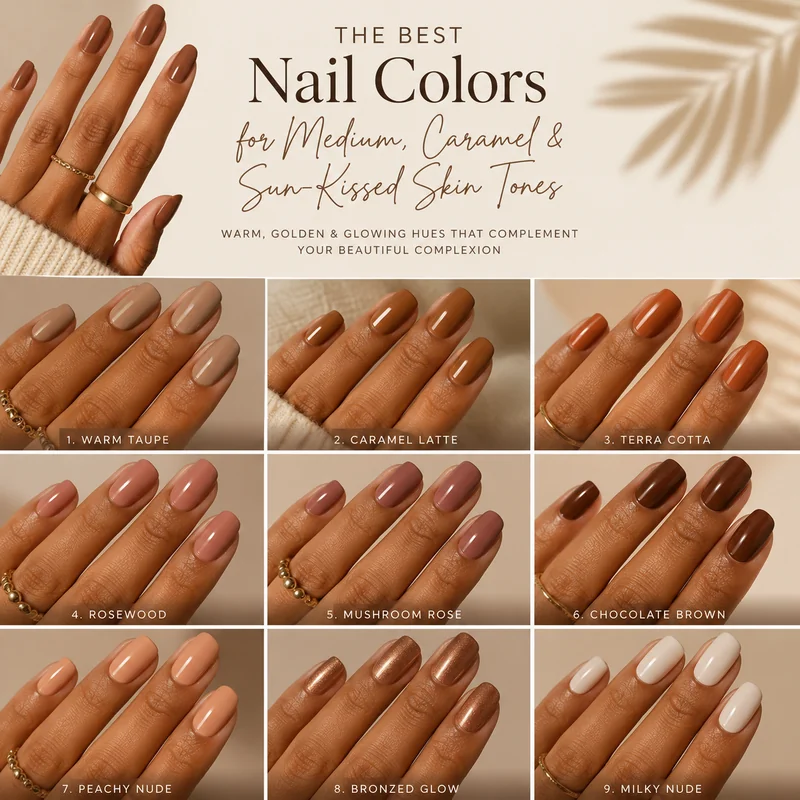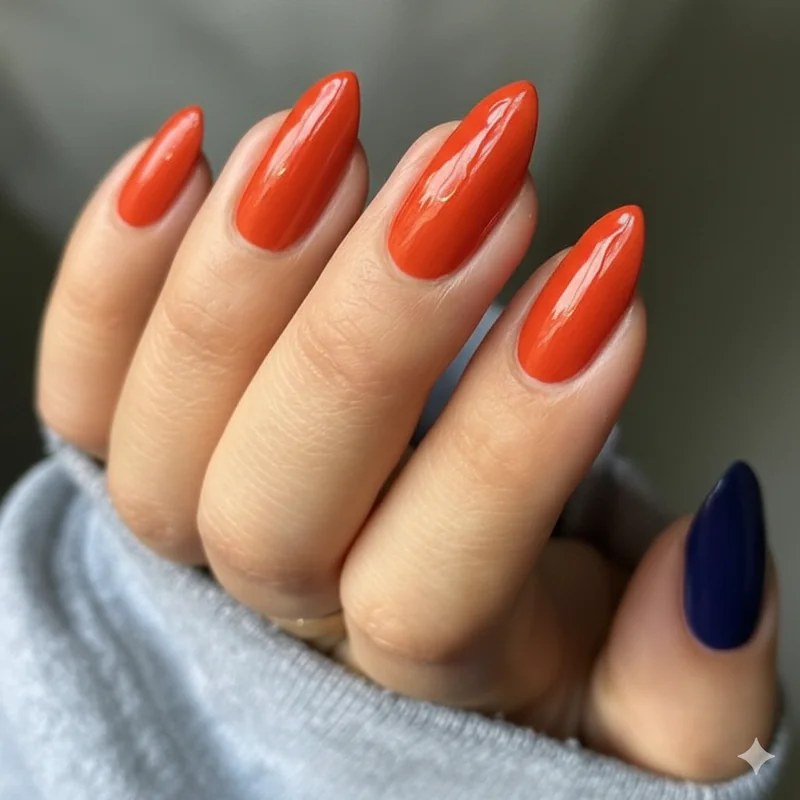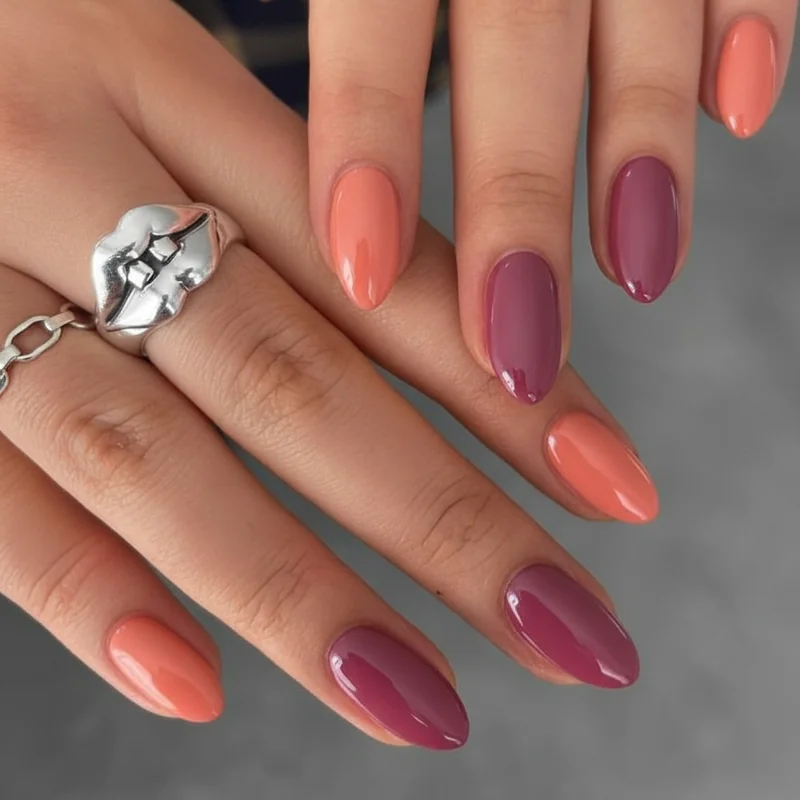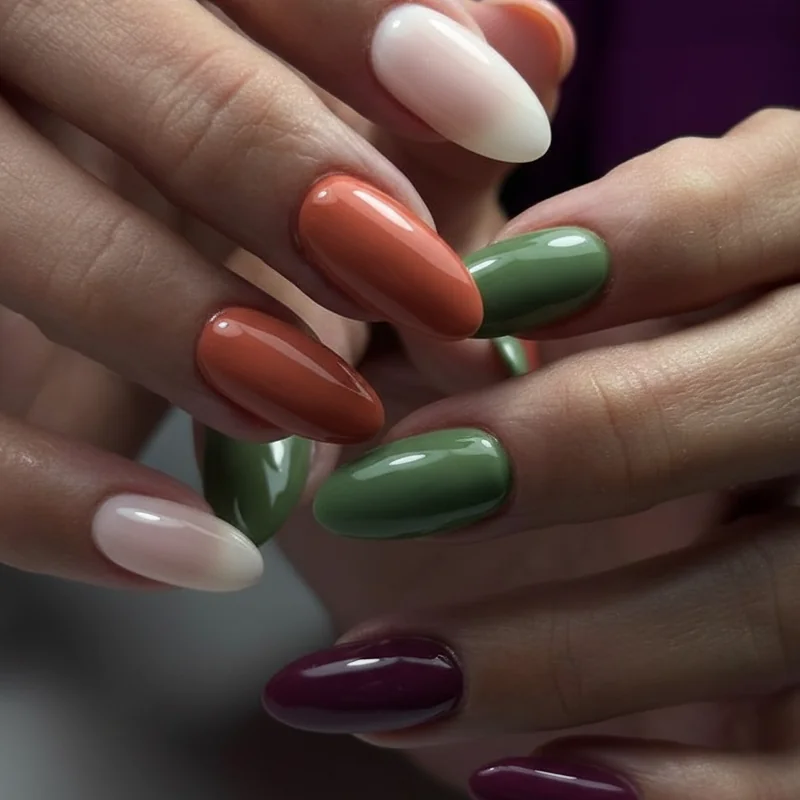
You have been sold a nude that made your hands look washed out, chalky, or - worst of all like you were not wearing anything at all. That is not bad luck. That is a shade mismatch, and it happens to almost everyone the first few times.
Nude nail color for skin tone is one of those categories that sounds straightforward until you are standing in front of a shelf of forty near-identical bottles, wondering why the one that looked so good on the display nail looks nothing like that on you. The answer is undertone but it is also finish, depth, and a simple test that most guides skip entirely.
This is the post that fixes all of that. By the end, you will know exactly which nude to reach for, what to avoid, and how to check in sixty seconds whether a shade is actually working before you leave the salon or checkout page. For a look at every colour family beyond nude, our complete guide to nail colors for every skin tone covers the full spectrum.
Why Most Nude Nails Go Wrong And How to Avoid It
If your last nude made your nails disappear into your hand entirely, the problem was not that you chose the wrong brand. It was that you chose a shade with the wrong undertone relationship to your skin and almost certainly the wrong finish for your tone depth.
There are three specific failure modes, and once you can name them, you will never repeat them.
The first is mannequin hands where the polish blends so completely into your skin that your nails effectively vanish. This happens when the nude is too close to your exact skin colour without enough variation in undertone direction. The fix is not to go darker. It is to go in a slightly different undertone direction if your skin is warm, choose a nude with a cooler pink pull; if your skin is cool, a warmer hint of peach separates the nail from the hand just enough.
The second failure is the washed-out effect: the shade looks fine on its own but drains colour from your hands in the way a wrong foundation shade does to a face. This almost always means the nude has too much white or grey base for your depth. Sheers on very deep skin tones, and stark white-based nudes on fair skin with pink undertones, are the usual culprits.
The third is the dirty cuticle effect where the nail itself looks acceptable but the cuticle area looks oddly dark or reddish. Nail artist Deborah Lippmann noted that the cuticle is actually your most accurate indicator: if it looks irritated or pronounced after you apply a polish, the shade's undertone is fighting your natural skin tone. We will come back to this it is the test that changes everything.

How to Find Your Undertone in Under 60 Seconds
Most guides treat undertone as a chapter. It is actually a single question with a fast answer.
Look at the inside of your wrist in natural light. If your veins read green, your undertone is warm. Blue or purple means cool. If you genuinely cannot decide both seem plausible, or the veins look colourless you have neutral undertones, which is actually the easiest result to shop for.
If that feels uncertain, add a second test: hold a white sheet of paper next to your face. Skin that looks slightly yellow against the white is warm-toned. Skin that reads pink or rosy is cool. If neither description feels quite right, neutral again.
The jewellery test as a tiebreaker: if you reach for gold and it looks better on you than silver, you lean warm. If silver flatters and gold looks heavy, you are cool. Both look equally good? Neutral.
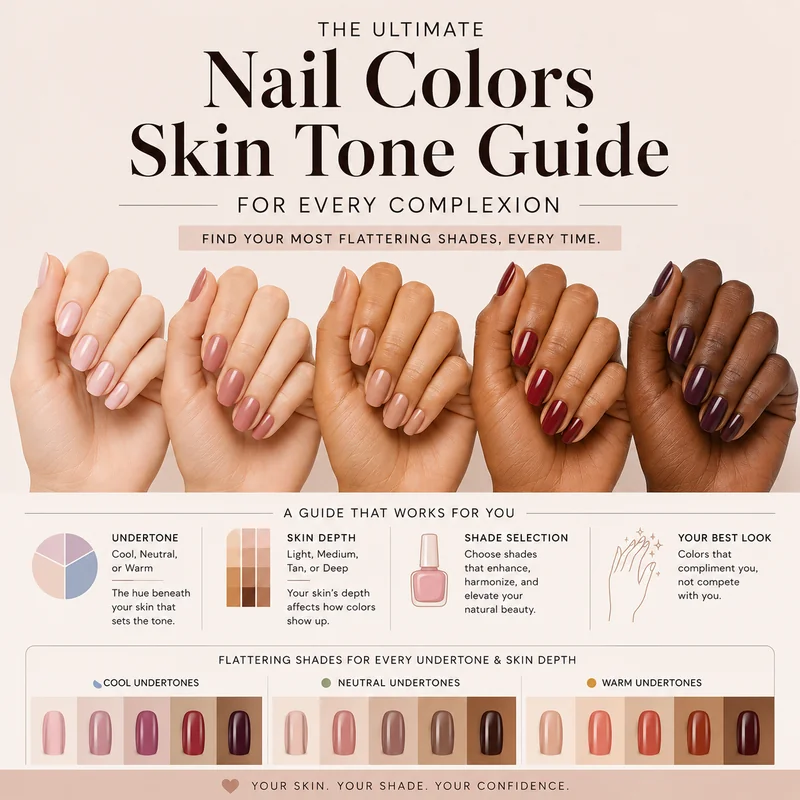
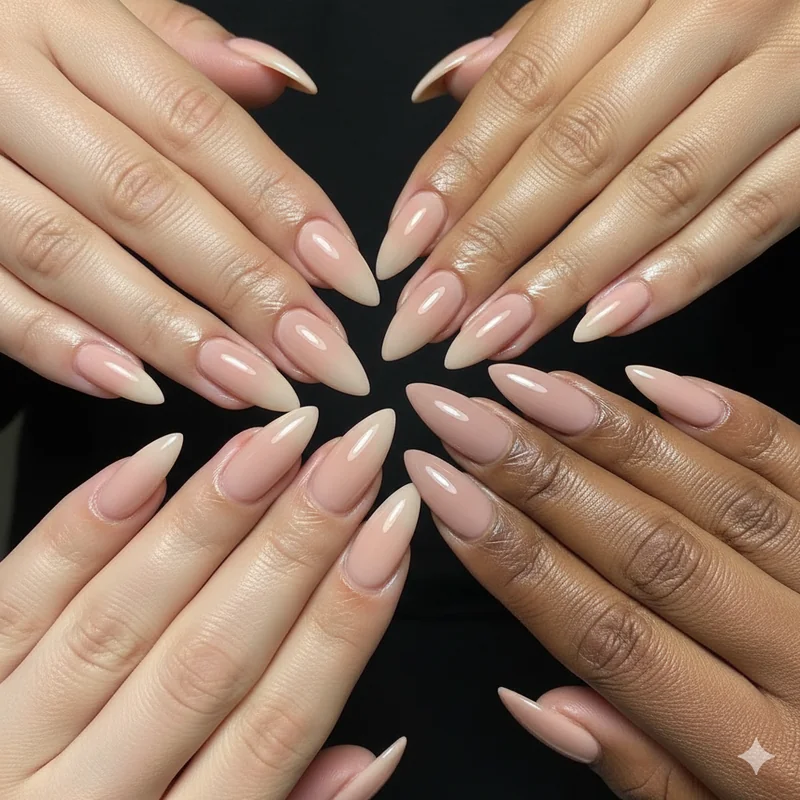
Warm undertones yellow, peachy, golden call for nudes with peach, honey, or golden-pink pulls. Cool undertones pink, blue, rosy call for nudes with mauve, blush, or taupe-pink bases. Neutral undertones have the widest range; most nudes with a clean pink-beige base will work. For a deeper look at the undertone system and how it maps across every colour family, our skin undertone nail colour guide covers the full method.