What Does Superficial White Onychomycosis Look Like?
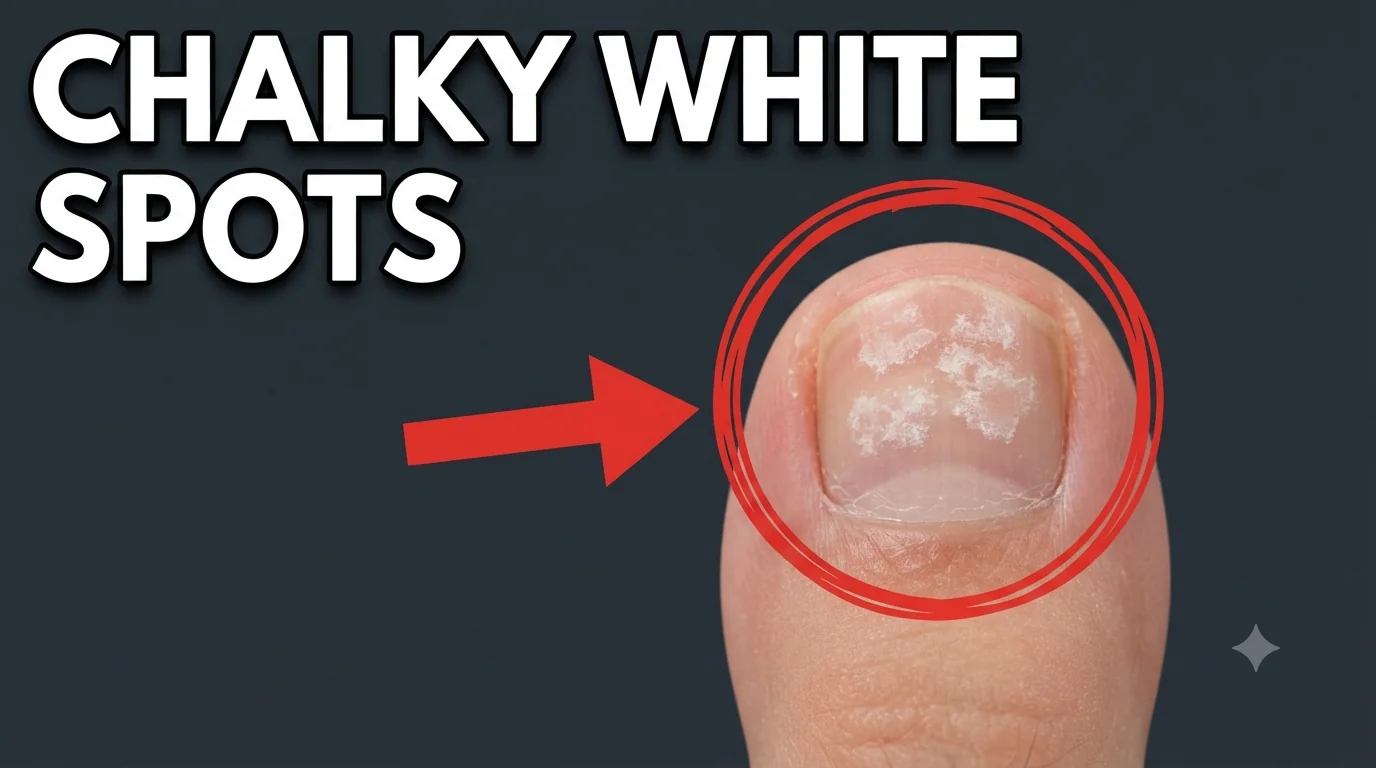
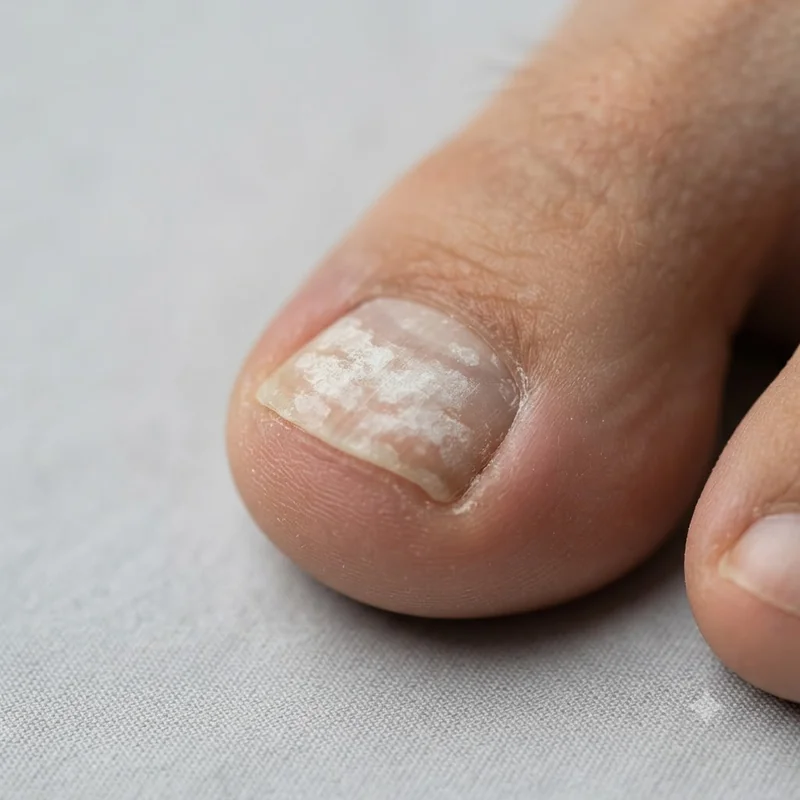
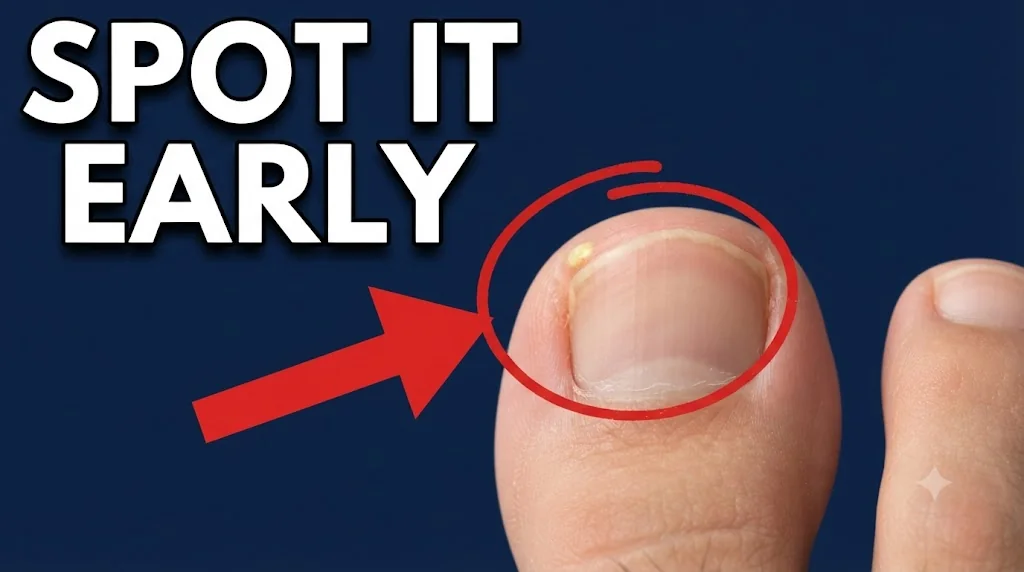
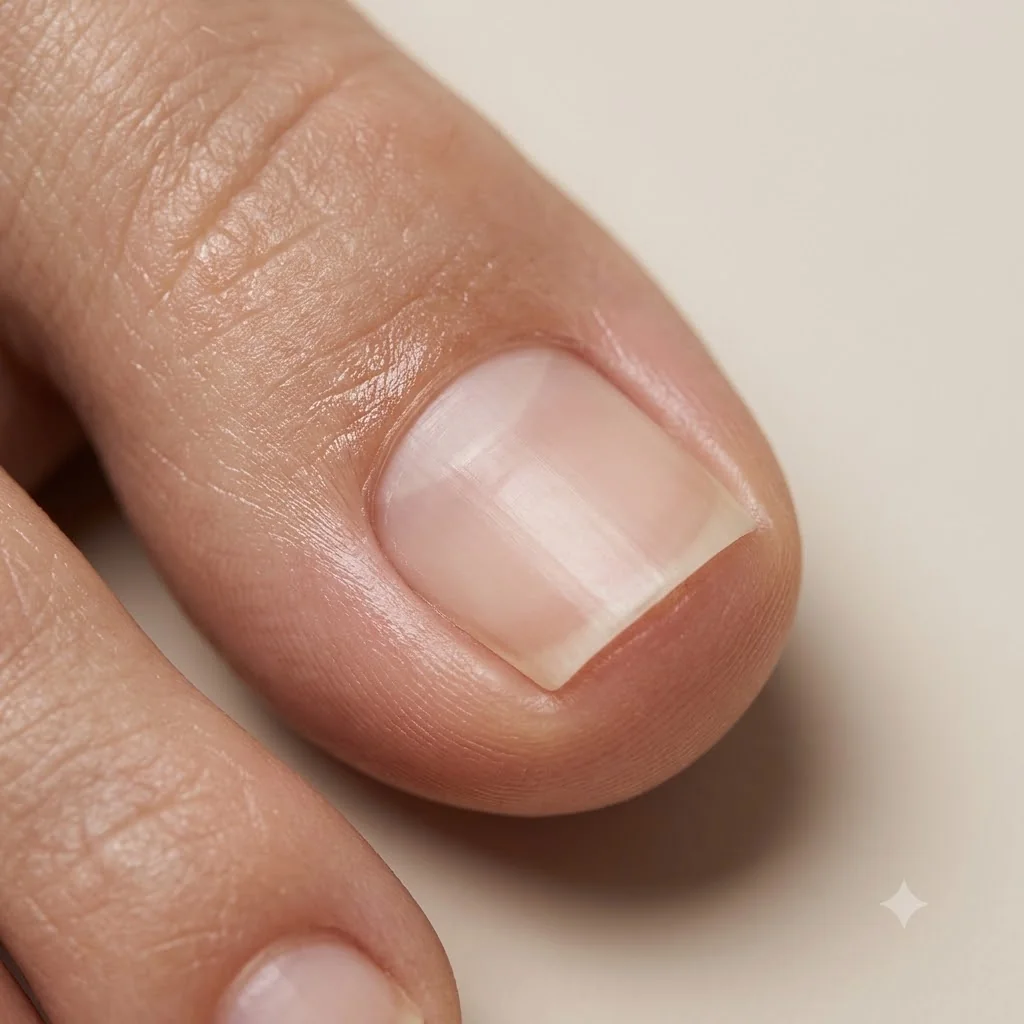
Most people expect fungus to look yellow, thick, and crumbling. SWO looks nearly the opposite: flat, chalky, white, and confined to the surface of the nail. It starts as small patches with sharp, well-defined edges, often called white islands, and these merge until much of the nail looks frosted.
Early on, superficial white onychomycosis is easy to mistake for a stain, since the first patches are small and flat. The surface turns dry, powdery, and slightly rough, and it flakes when scraped. The nail keeps its normal thickness and stays attached to the nail bed, and the toe is usually not painful.
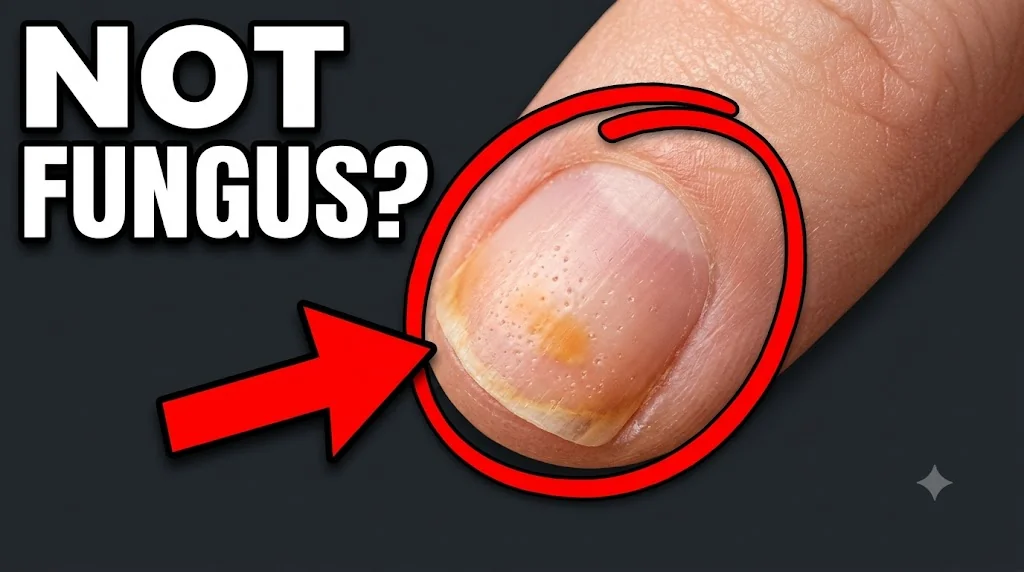
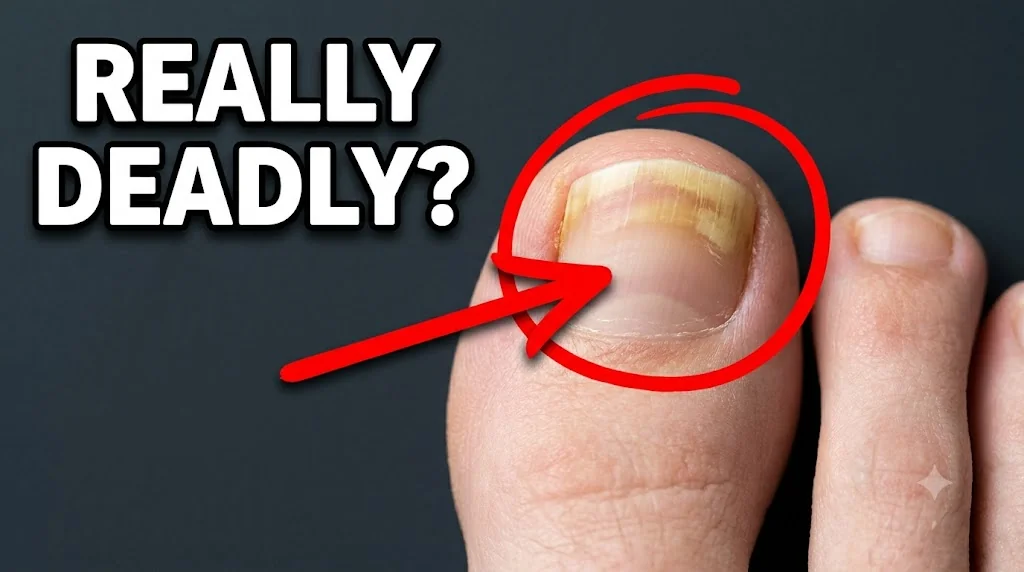
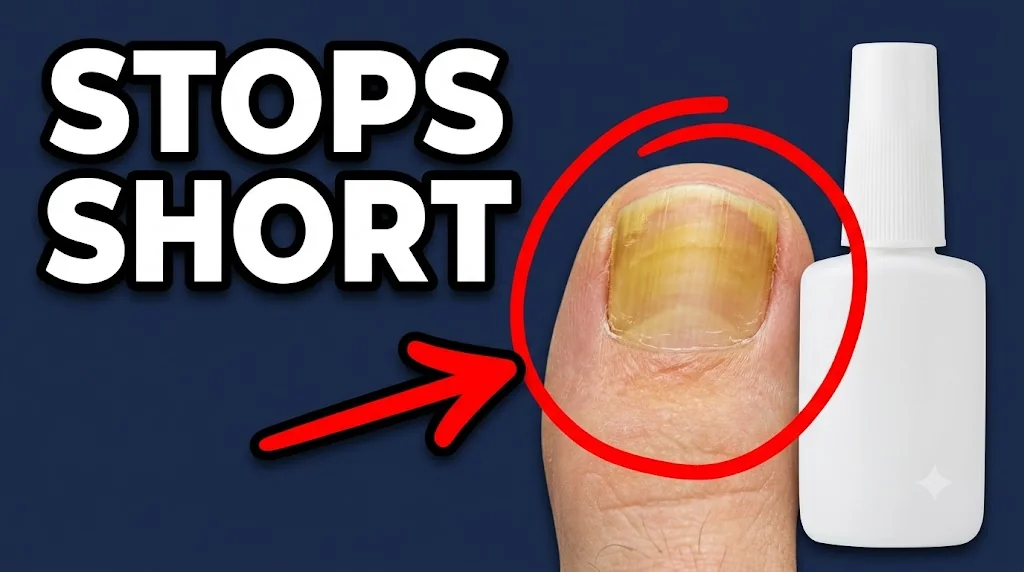
Set that beside what nail fungus actually looks like in its yellow, thickened form and the contrast is plain: this type changes the color of the surface, not the structure of the nail. A patch can cover most of the nail, sometimes three-quarters of it, without the nail changing shape.
Is It Superficial White Onychomycosis or Polish Damage?
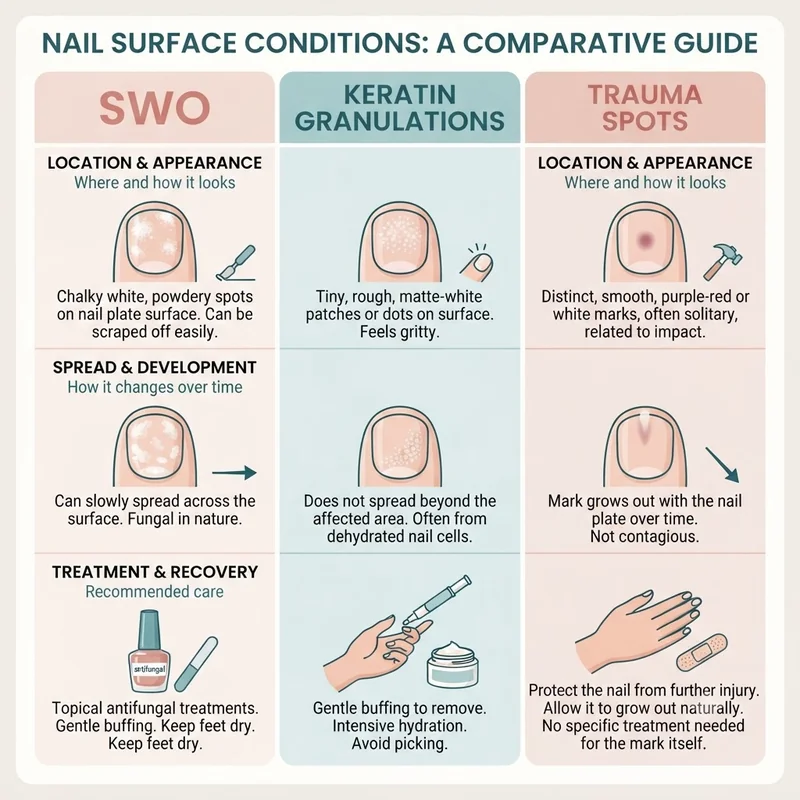
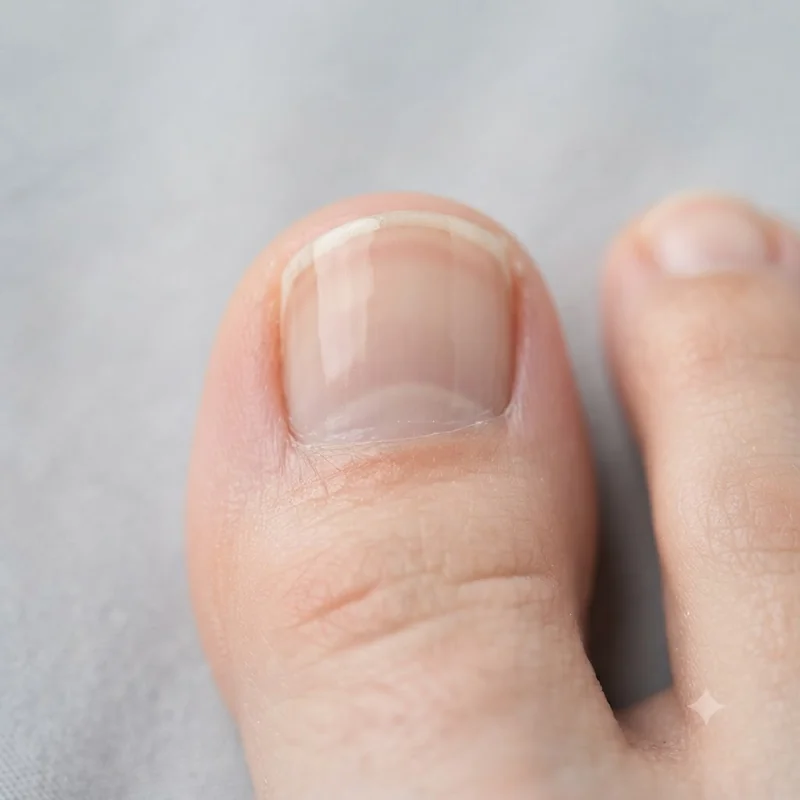
Two weeks without polish sorts most white nails into one of two piles. Keratin granulations are dry, chalky white patches caused by dehydrated nail keratin, not by fungus, and they stay put or fade as the nail recovers. SWO keeps its sharp edges, spreads, and does not improve while the nail is bare.
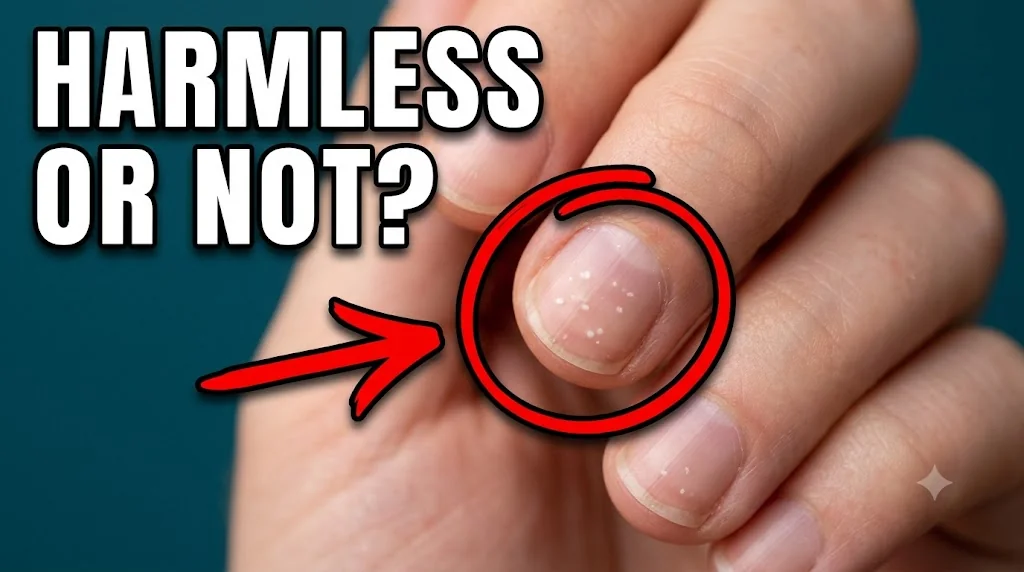
Polish, gel, and their removal are the usual triggers for granulations. Acetone-based remover, long wear, and scraping off gel all dry out the nail plate, and our guide to how nail polish and harsh removers can leave chalky white patches on the nail covers the mechanism. A third look-alike is the trauma spot, a small white fleck from a stubbed toe or tight shoe that keeps its size and moves toward the tip as the nail grows.
|
SWO |
Keratin granulations |
Trauma spots |
| Looks like |
Sharp-edged white islands that merge |
Dry, chalky, diffuse patches |
Small white flecks |
| Spreads |
Yes |
No |
No |
| Cause |
Fungus |
Dehydrated keratin |
Bump or pressure |
| Treatment |
Antifungal |
Hydration and time |
Grows out |
A nail scraping sent for a KOH test or culture is the only way to be sure. If the white is still spreading after two polish-free weeks, that test is the next step.
What Causes Superficial White Onychomycosis?
Acetone does not cause SWO. Fungus does, and Trichophyton mentagrophytes is the most common fungus behind this type. This dermatophyte feeds on keratin, the protein the nail is made of, and it breaks down the top layer with keratin-digesting enzymes, which is what leaves the surface white and powdery.
Every case of superficial white onychomycosis begins when fungal spores meet a nail that stays warm and damp. Sweaty socks, closed shoes, shared showers, and pool decks supply those conditions, and untreated athlete's foot (tinea pedis) on the same foot is a common source. The organism is sometimes listed as Trichophyton interdigitale in newer references.
Polish does not cause the infection, but long-wear gel can seal moisture against the nail and hide early patches for weeks, which is why many people only notice the white at removal. A small number of cases come from molds instead of dermatophytes, and those behave differently, as the next section explains.
Can You Treat Superficial White Onychomycosis at Home?
Fungal nail infections have a reputation for defeating home care. This one is the exception, because the fungus sits on top of the nail where a topical antifungal can actually reach it.
One nail health expert describes the approach directly: "fungus that lives on top of the nail (that is usually white and flakey) can be easily treated by filing it down and applying an over-the-counter medication."
That works only because the fungus is on the surface. Infections that live under the nail are out of reach for most products on the shelf, and whether over-the-counter treatments actually work depends on how deep the fungus has gone.
- Remove all polish and keep the nail bare for the whole course of treatment.
- File the white surface gently with a separate, disposable file until the nail underneath looks smooth. Stop at any pain or bleeding.
- Wash and fully dry the toe, then toss the file so it never touches another nail.
- Apply the antifungal over the whole nail surface and edges once or twice a day, as the label directs.
Filing removes the visible film, not the fungus in the surface layer, so stopping when the nail looks clear is the usual reason the white returns. Classic superficial white onychomycosis responds to topical treatment alone. A deeper form, driven by molds such as Fusarium and Aspergillus, invades below the surface and generally needs prescription oral medication, as a clinical review of onychomycosis treatment outlines.
See a doctor or podiatrist if:
- The white thickens, turns yellow or brown, or lifts from the nail bed.
- It spreads to other nails or has not improved after a few weeks of treatment.
- The toe is painful, red, or swollen.
- You have diabetes or poor circulation, in which case see a podiatrist before treating anything yourself.