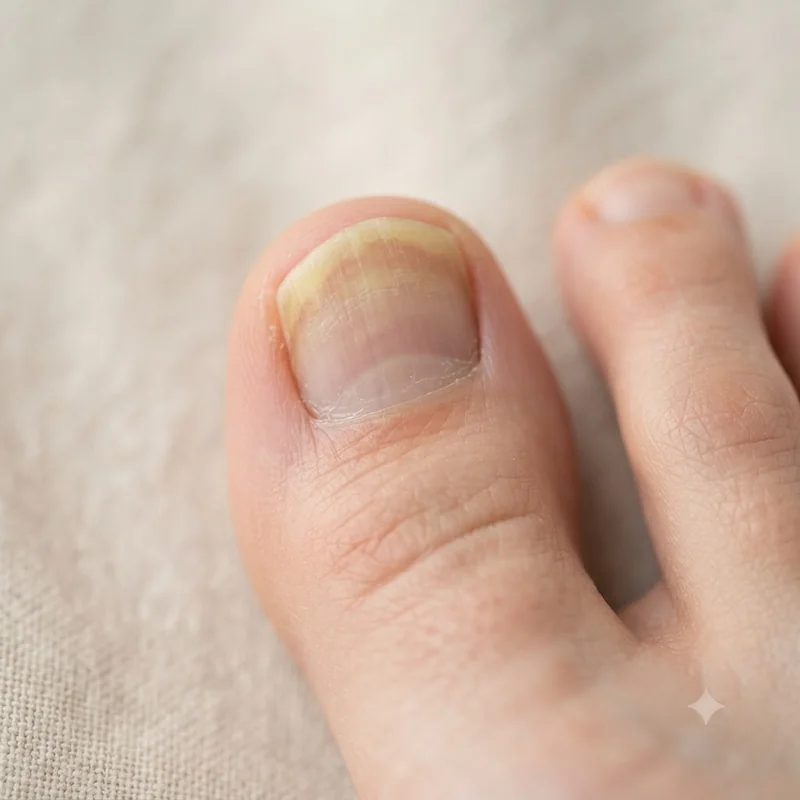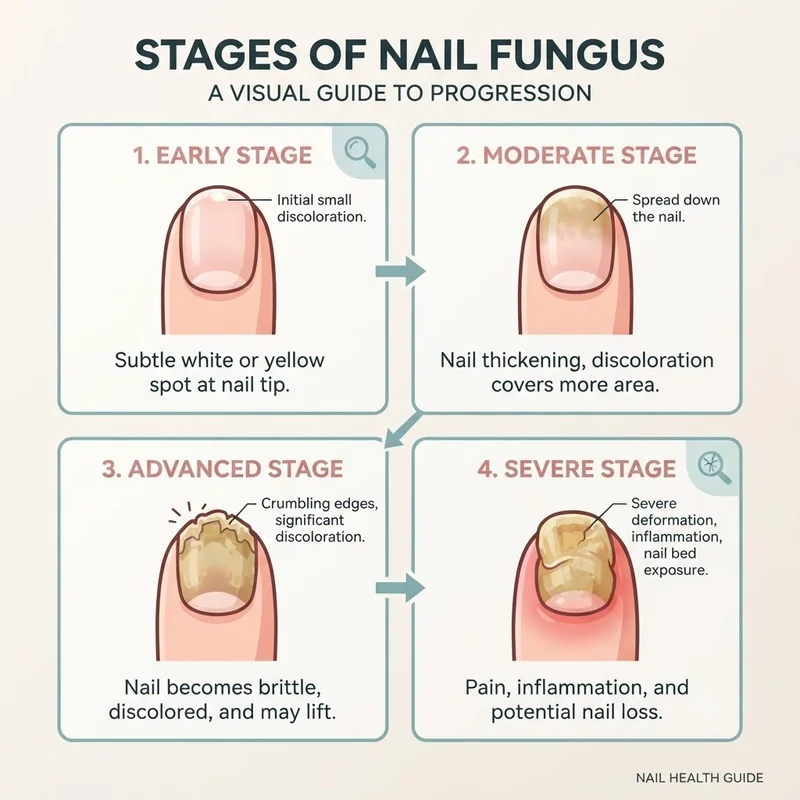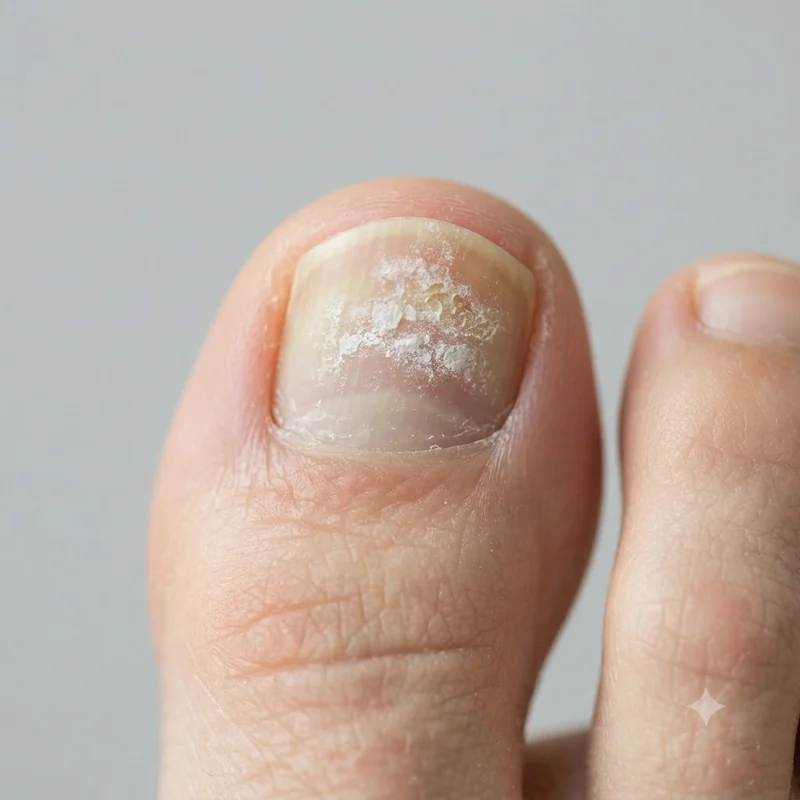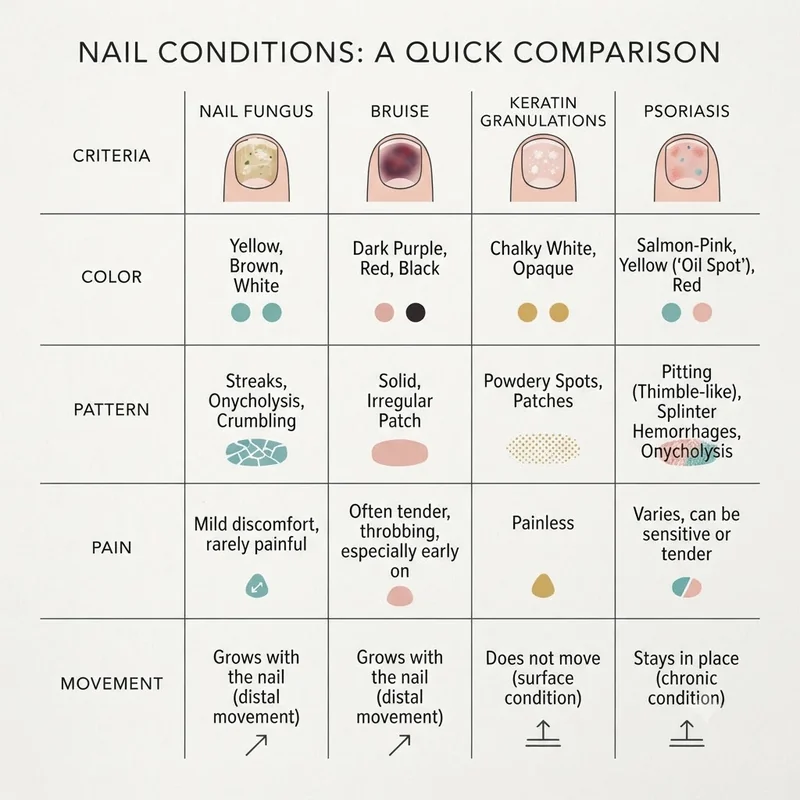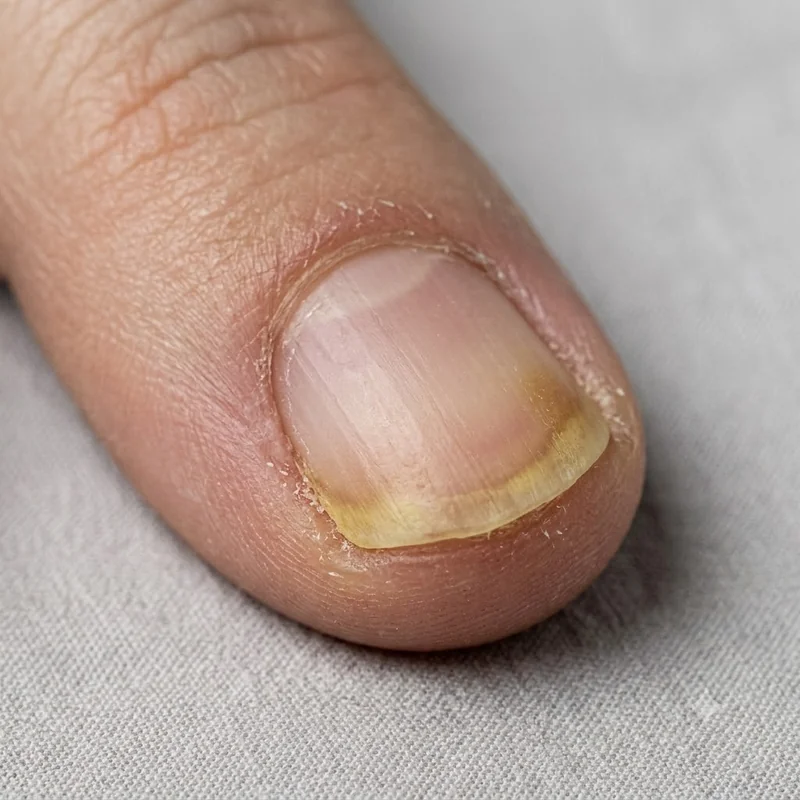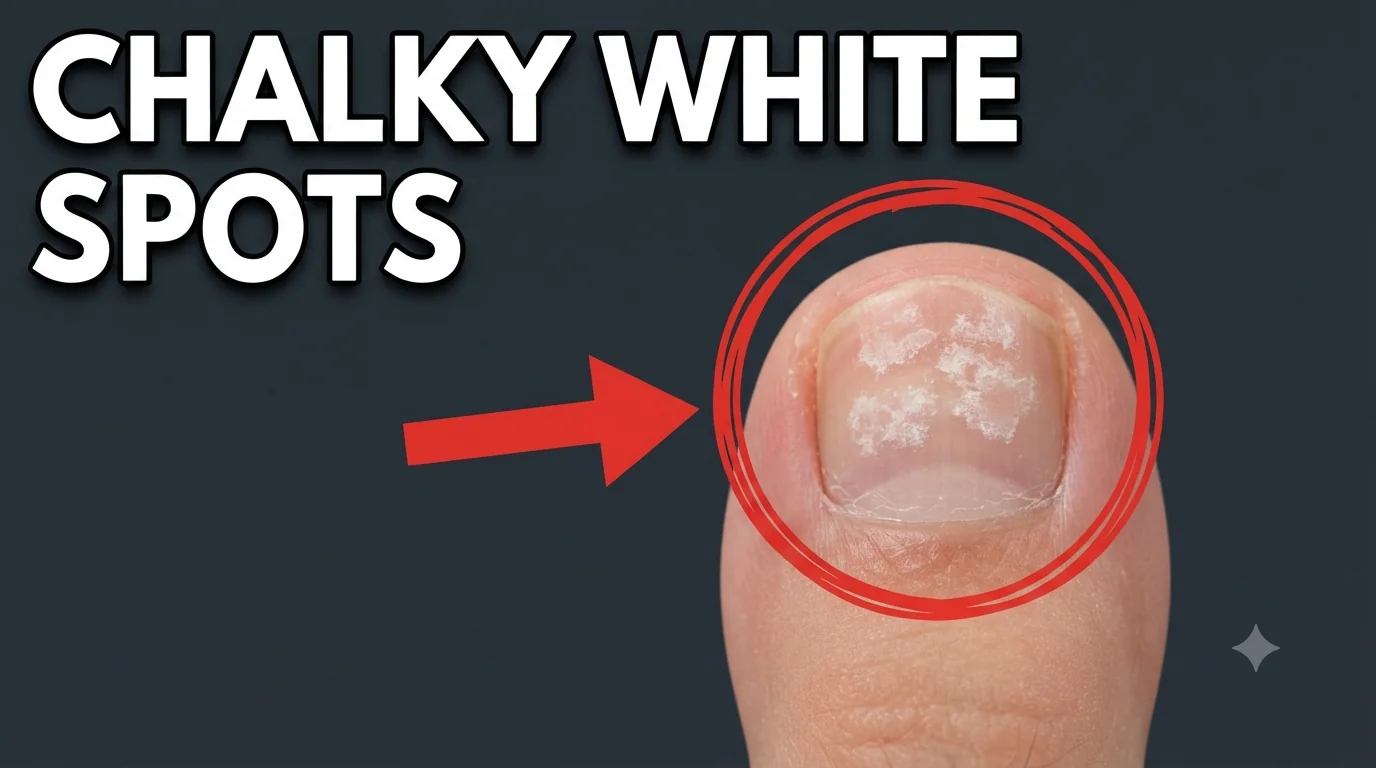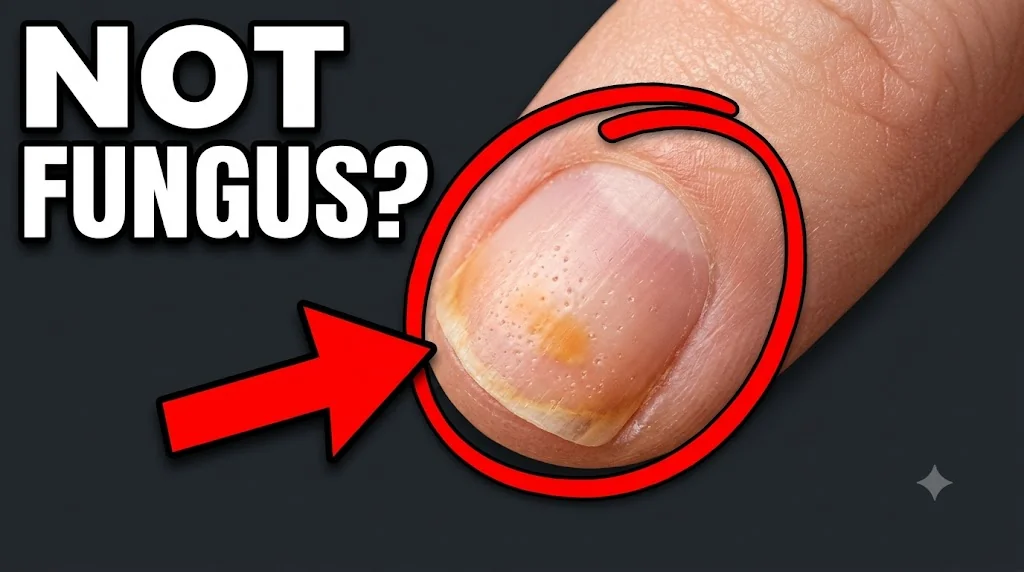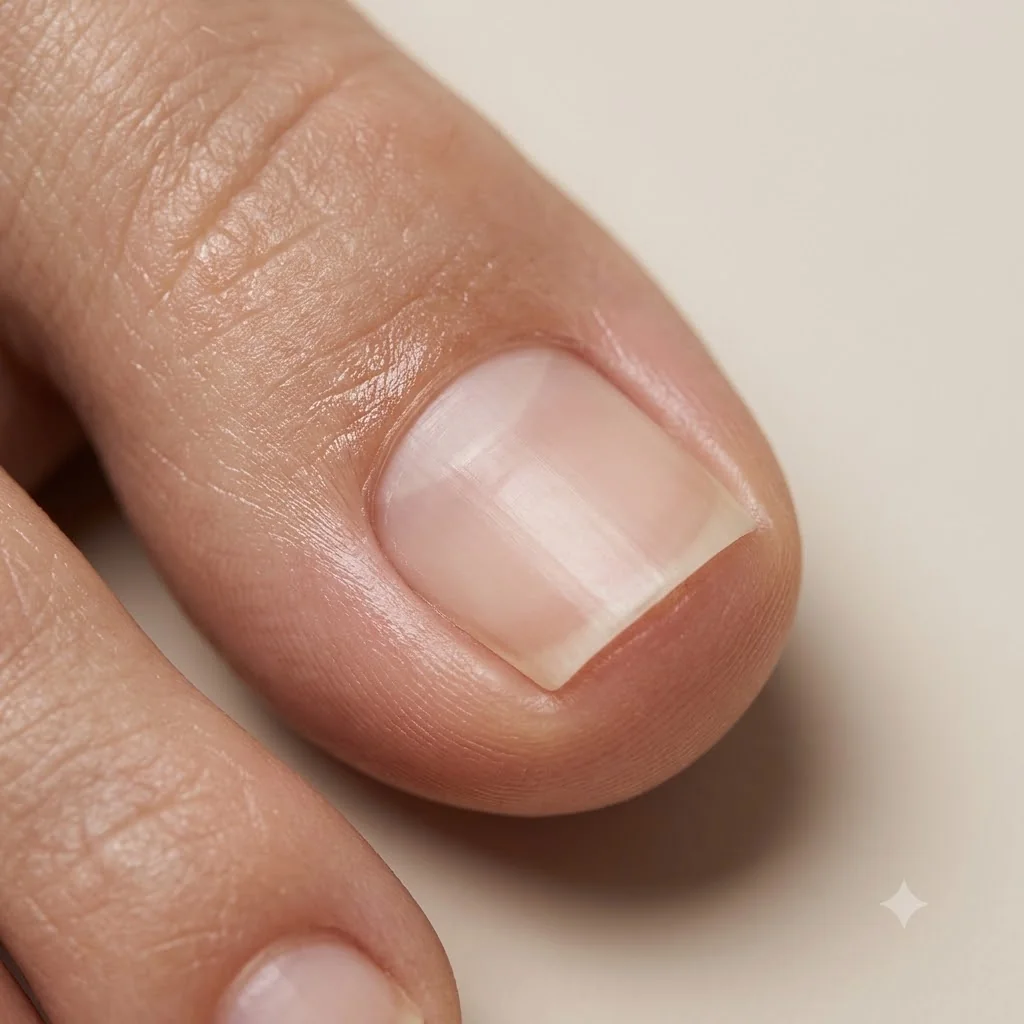
Ask what does nail fungus look like and the honest answer is a nail that turns yellow, white, or brown from the tip, thickens over the following months, and grows crumbly. It rarely announces itself, and it is routinely mistaken for a stain, an old bruise, or ordinary aging. By the end of this guide, you can answer what does nail fungus look like for your own nail, not just in a photograph, and you will know what to do next.
Most pages on this topic hand over a bullet list of symptoms and a reminder to see a doctor. That helps very little when your nail has one yellow edge and no other complaints. This guide matches what you see by color and pattern, follows how the look changes over time, and gives lookalikes their own section, because "did I stub it or is it fungus?" is the question that actually stops people.
As Cleveland Clinic points out, the infection is not caused by poor hygiene, so a changed nail is nothing to be embarrassed about. Fingernails and darker skin tones get their own coverage here too, which most guides treat as an afterthought.
What Does Nail Fungus Look Like in the Beginning?
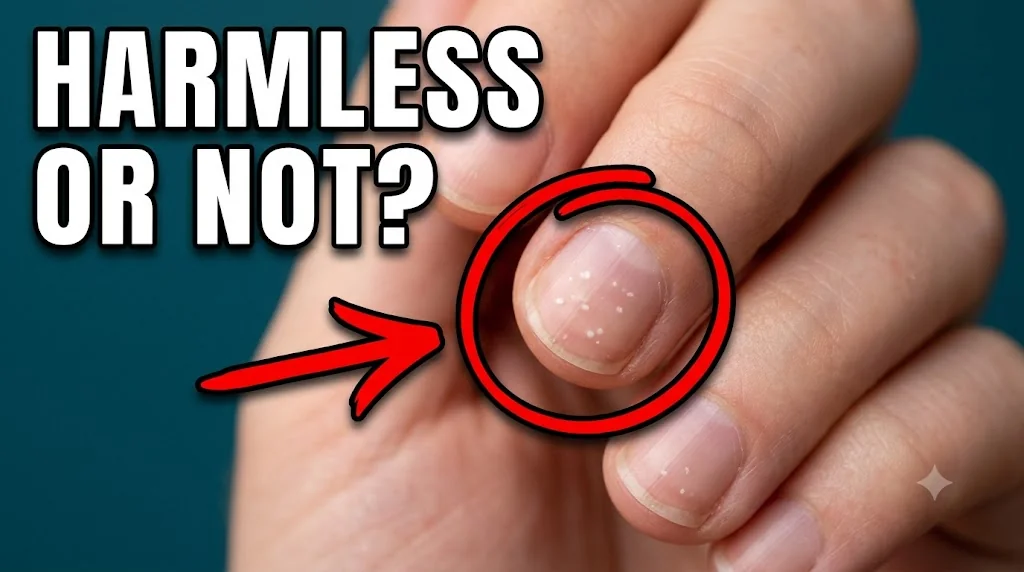
A single white or yellow spot at the tip of the nail is where nail fungus usually begins. The spot sits under the free edge, the part of the nail that extends past the skin, and it rarely hurts, which is exactly why it gets left alone.
Onychomycosis is the medical term for a fungal infection of the nail plate, nail bed, or nail matrix. The nail plate is the hard, visible nail, the nail bed is the skin beneath it, and the matrix is the hidden growth center tucked under the cuticle.
In the first weeks, the signs are small enough to explain away. A nail may look a bit yellow, slightly cloudy, or dull at one corner, and the edge may feel a little thicker than its neighbors. Dark polish can stain a nail yellow too, so an early change is best judged on a bare nail in daylight, where fungus shows as a defined patch at the tip rather than an even wash across the whole nail. One yellow nail with no pain is not proof of anything, but it is worth watching.
What Color Is Nail Fungus?
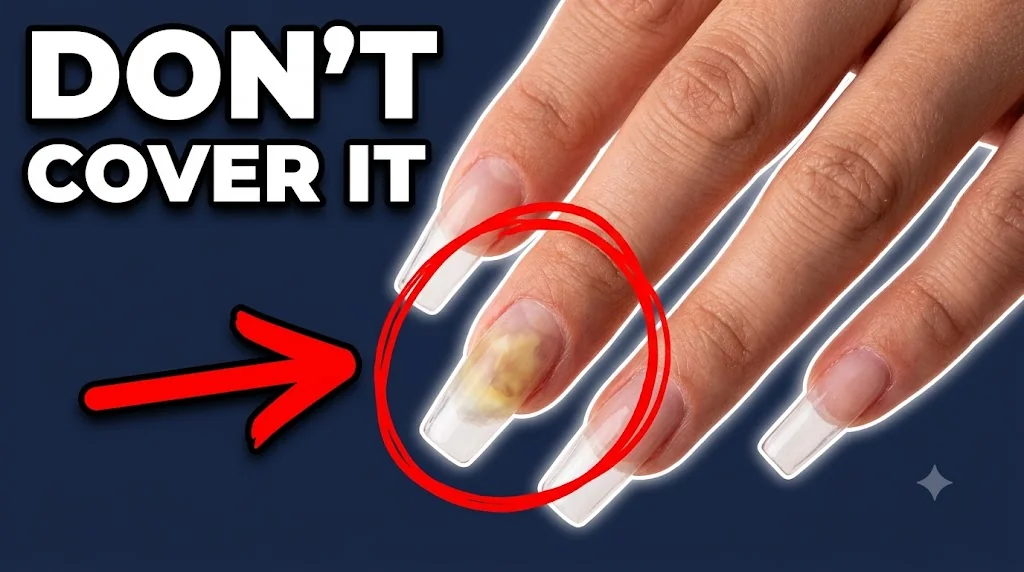
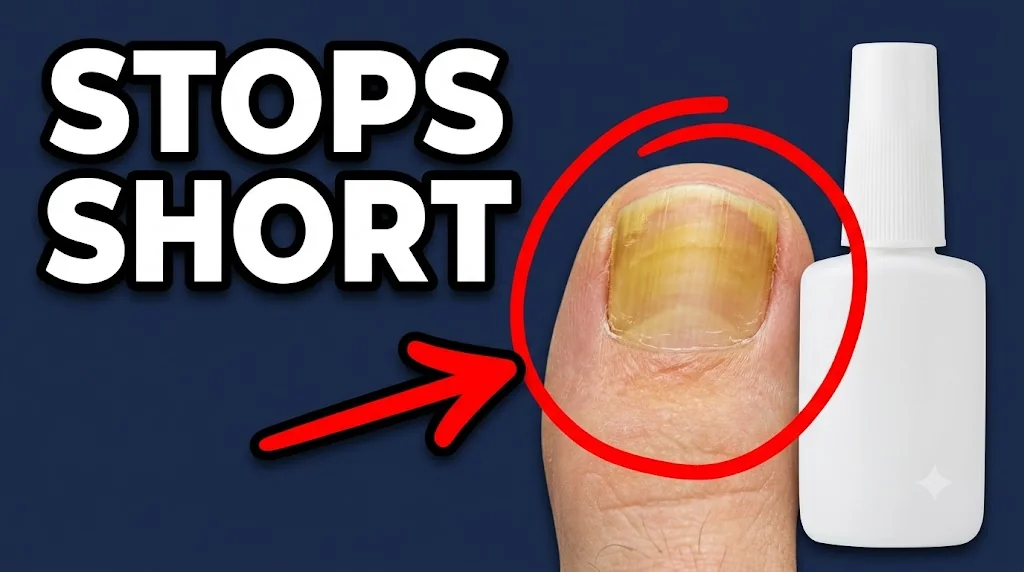
Nail fungus has no single color, which is exactly what makes it hard to recognize: the American Academy of Dermatology lists yellow, brown, white, orange, greenish black, and black as the shades it can take. Yellow and white are the ones most people meet first.
The direction of travel is a better clue than the shade. Discoloration usually starts at the tip and spreads toward the cuticle, while a stain tends to sit evenly across the surface. A podiatrist explains why color alone falls short: "The color of the nail is usually more important to the doctor than it is to the patient. We see nails that have a variety of different colors from white to yellow and from green to black."
Color alone rarely settles what does nail fungus look like on a given nail, because a stain, an old injury, and an infection can all turn a nail yellow or brown. That is also why a yellow nail is not automatically fungus. Thickening, crumbling, and debris under the edge are what tip the balance. Green and black shades can have other causes too, and a dark patch that does not grow out with the nail is a reason to see a doctor.
Distal subungual onychomycosis is a fungal infection that begins at the distal end of the nail, the tip, and travels under the nail toward the cuticle. "Subungual" simply means beneath the nail.