Can Toenail Fungus Be Dead While the Nail Still Looks Bad?
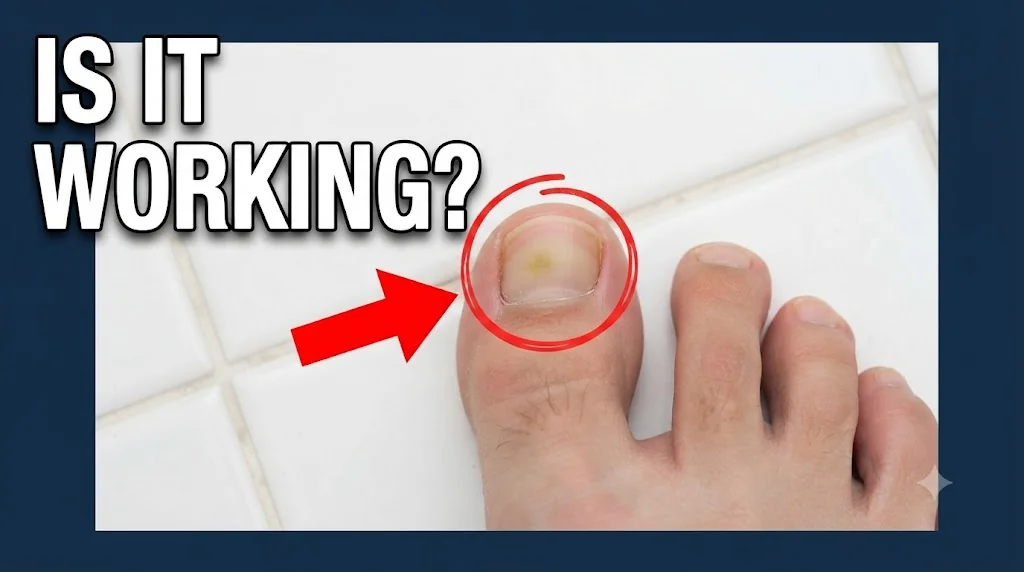
Yes, and it is the cruelest part of this infection: toenail fungus can be dead while the nail still looks bad. A damaged nail stays on the toe until new nail grows out and pushes it forward, so the surface lags far behind what the fungus is actually doing.
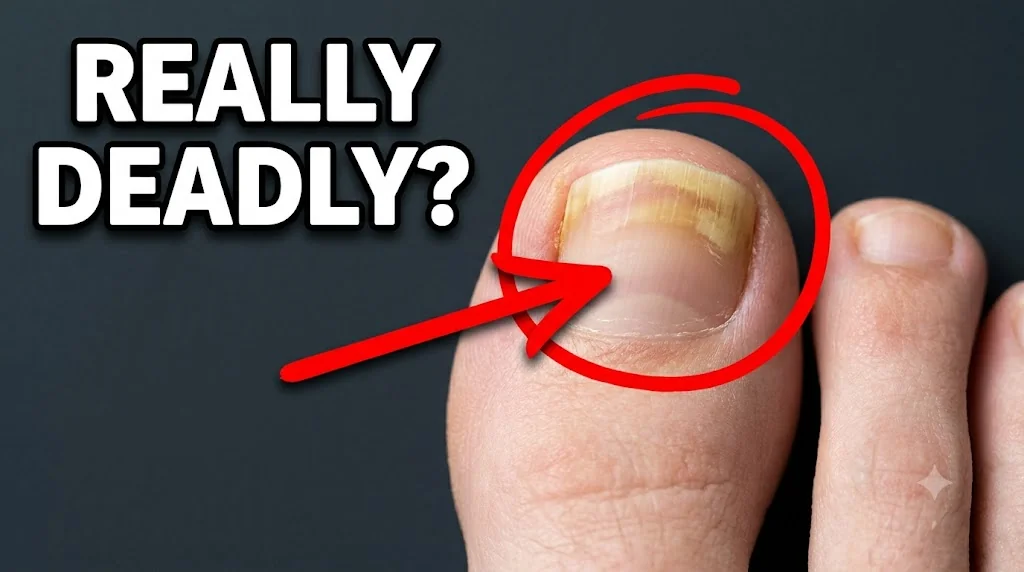
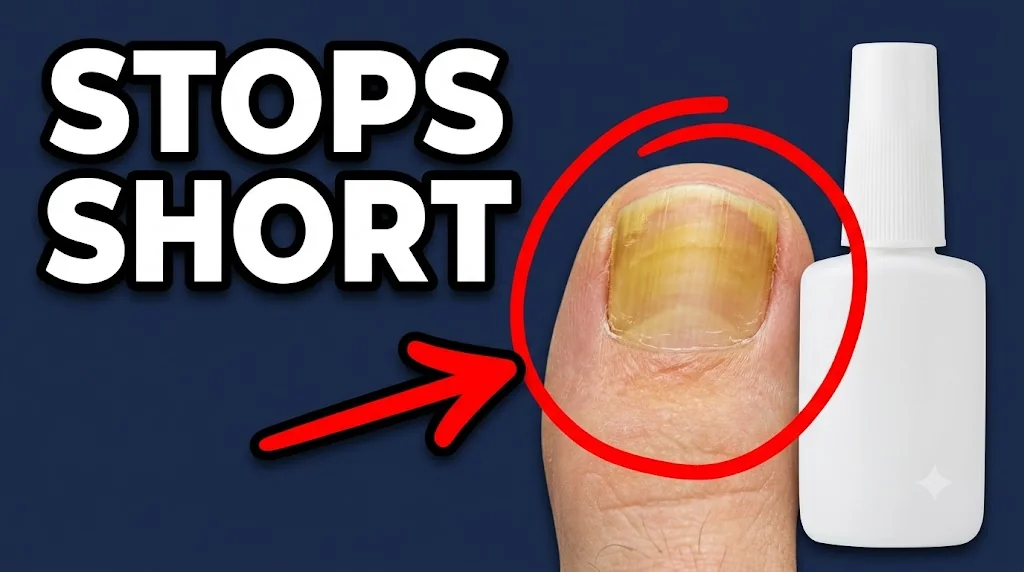
Onychomycosis is a fungal infection of the nail plate and the nail bed. Clearing it stops the damage, but it does not repair the thick, yellow, crumbly nail already there. That is why "the fungus is gone but the nail is damaged" is such a common place to end up, and why the wait feels unfair. A dermatologist explains why it takes so long: "Timelines run slower than people expect because toenails only grow about a millimeter a month."
The numbers back it up. In one study Healthline cites, 76% of people taking terbinafine had no fungal infection after 3 months, long before a full nail had replaced the old one. At a millimeter a month, how long it takes a toenail to fully grow back runs past a year.
What Else Changes When Toenail Fungus Is Dying?
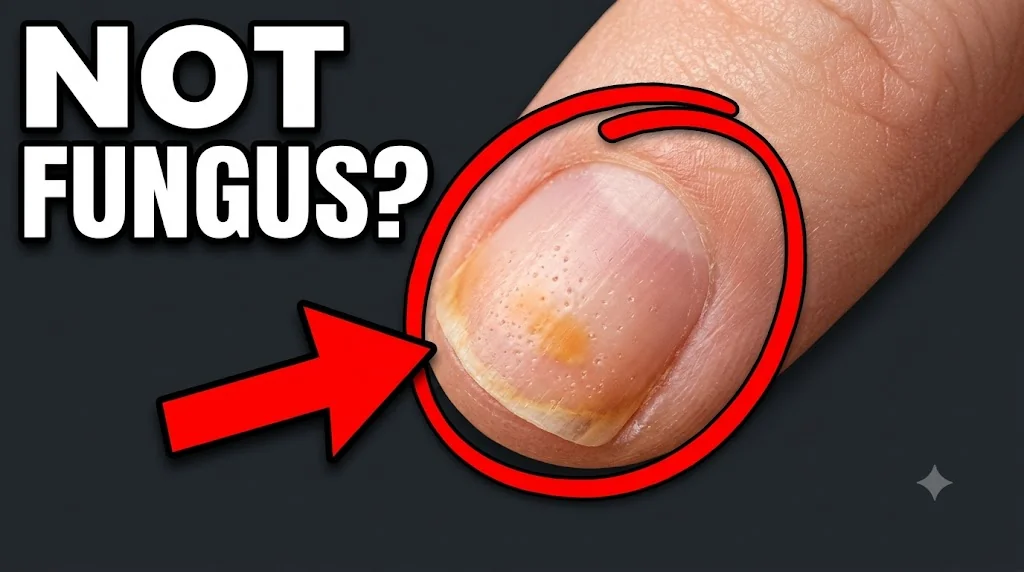
Yellow, brown, and white streaks are the colors people study, and dying toenail fungus has no single one of them. Discoloration may soften as the infection clears, but the older nail keeps its stain until new nail replaces it, so color is a supporting clue and never proof.
Other changes show up too. Subungual debris is the crumbly, chalky material that packs under the nail, and it may shrink as the infection recedes. The nail can thin out and become easier to trim, the crumbly texture can firm up, and the odor may fade. Pain in shoes may ease as well.
Ranked by weight, thinner nail and less debris count most, because they reflect real change in the tissue. Smell and pain are subjective and easy to misread. Keep logging all of them when you are working out how to know if toenail fungus is dying, but treat each one as a hint that the base still has to confirm.
Signs That Look Like Progress but Can Fool You
A nail that looks better is often not healing, only moving. A dermatologist describes the trap: "What sometimes looks like spontaneous improvement is usually just the visible infected portion growing out toward the tip while fungus persists closer to the cuticle."
Toenail fungus can look worse before it looks better, but a worsening nail is not evidence that treatment is working. A rough old nail is tolerable if clear nail is appearing at the base. Without that, it is simply a rough nail.
A toenail lifting or shedding is not, on its own, a sign the fungus is dying. Onycholysis is the medical term for a nail separating from the nail bed, and what sits underneath decides what it means. Clear, healthy nail at the base of a lifting nail is a good sign; crumbly debris under it is not. If you paint your toenails, read what nail polish does to a fungal toenail during treatment, because color on top hides the exact spot you need to watch.
What Should Your Nail Look Like at Each Checkpoint?
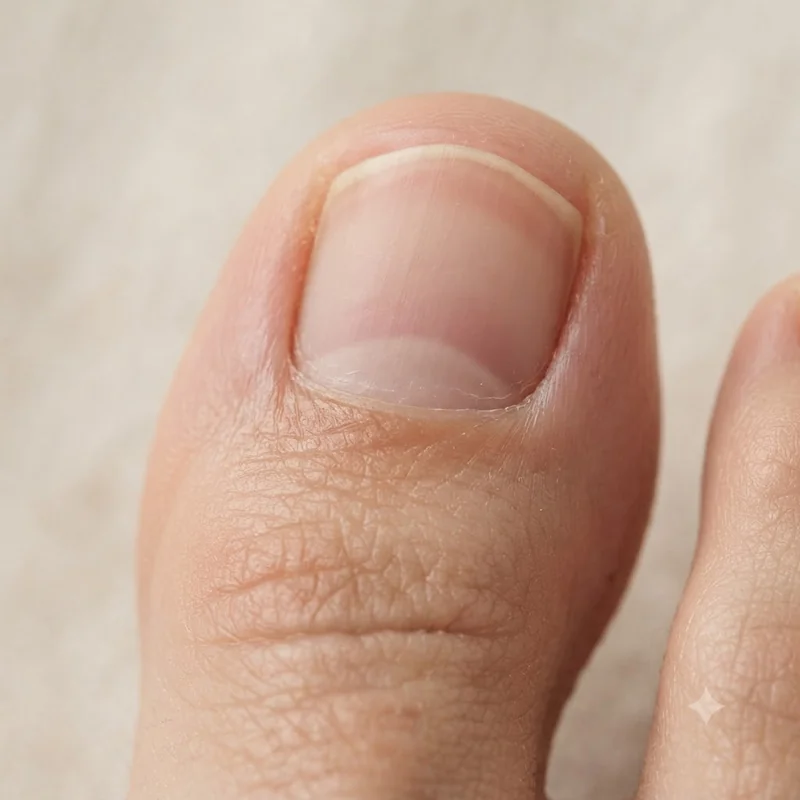
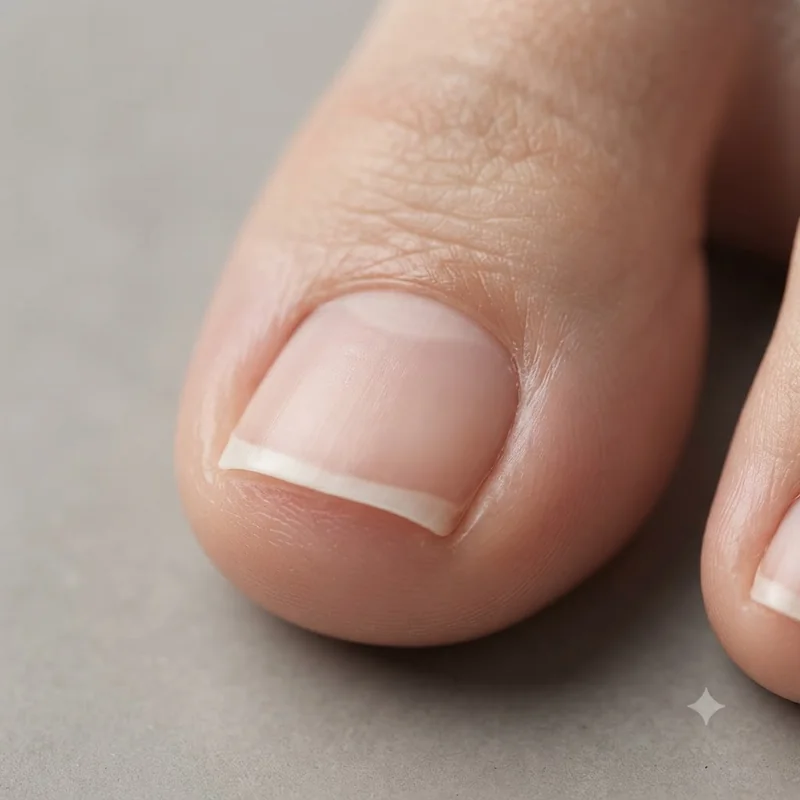
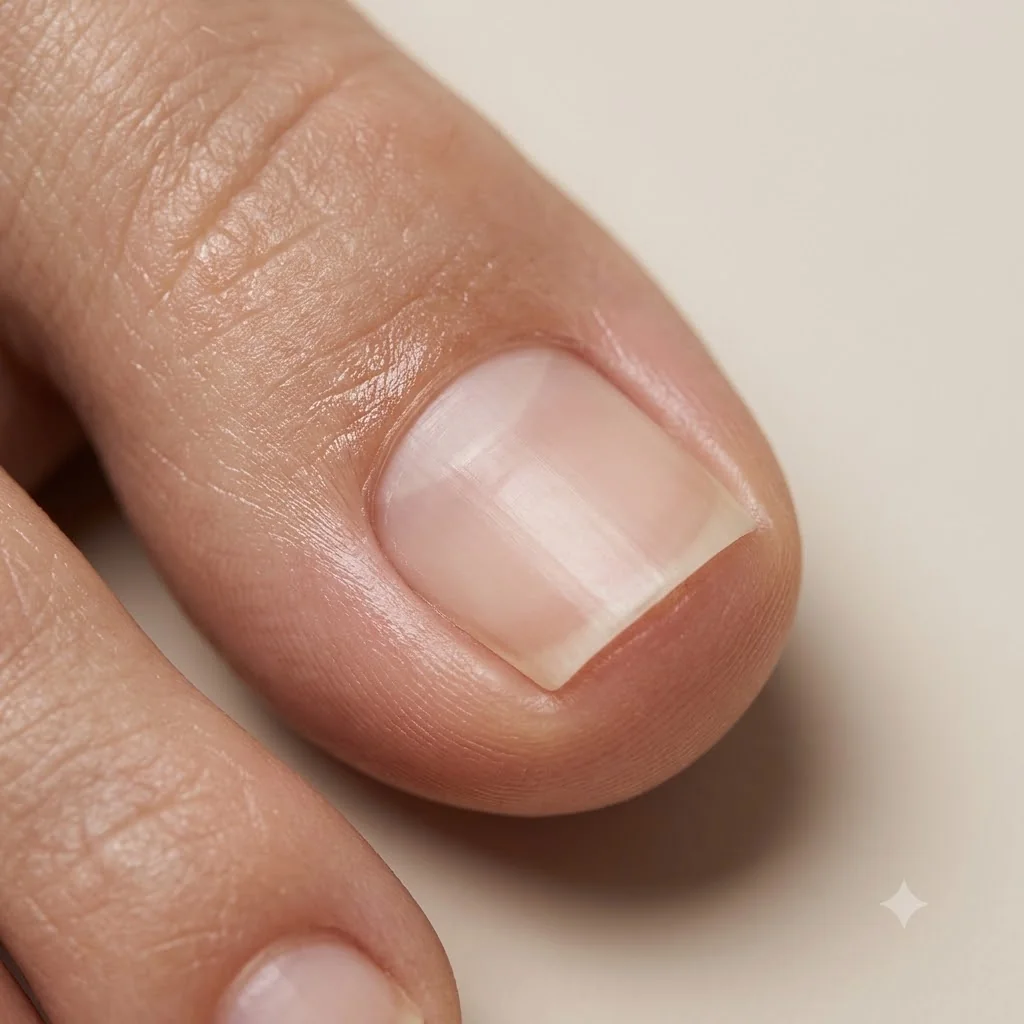
Waiting is easy to recommend and hard to do when the nail looks identical week after week. A thin band of clear new nail can appear at the base within 4 to 12 weeks of treatment, and a full big toenail takes 12 to 18 months to grow in.
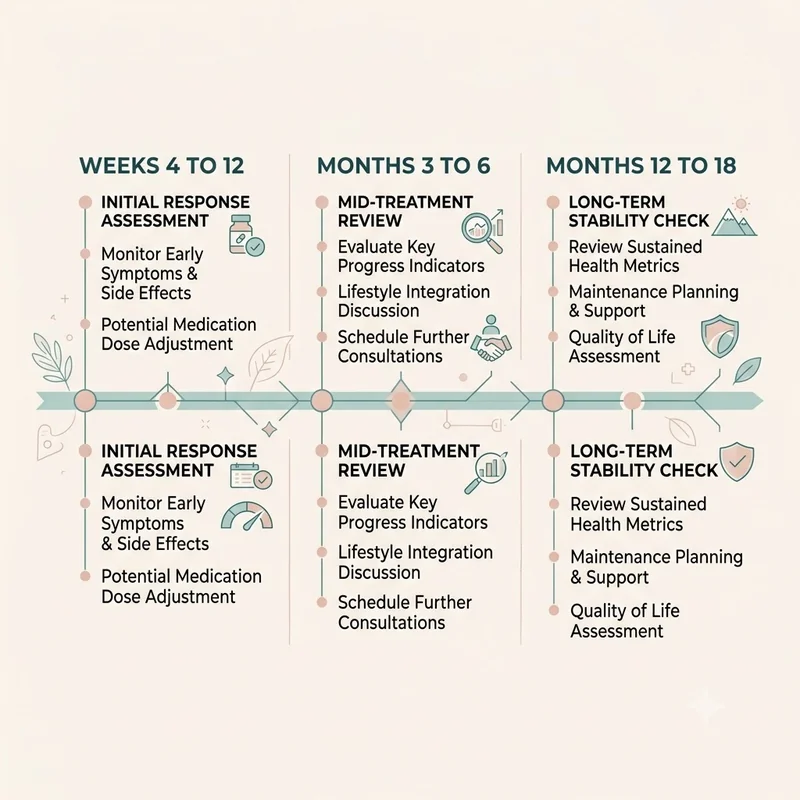
Use these three checkpoints as your working answer to how to know if toenail fungus is dying:
- Weeks 4 to 12: look only at the base for a narrow, clear or pinkish band, a millimeter or two wide.
- Months 3 to 6: the clear zone widens, and the line between old and new nail moves toward the tip.
- Months 12 to 18: a big toenail has typically finished replacing itself.
Photograph the base once a month in the same light, and compare photos, not memory.
No, do not stop treatment because the nail looks better. Keep going until the course or product schedule ends, or until a clinician says to stop, because a better-looking old nail does not mean the infection is finished. A dermatologist explains the mismatch: "An oral terbinafine course is typically six to twelve weeks, but you won't see a fully clear nail until an entirely new, healthy nail has grown out from the base, which takes twelve to eighteen months for a big toe."
Beyond these stages, see the full timeline for nail fungus to clear.