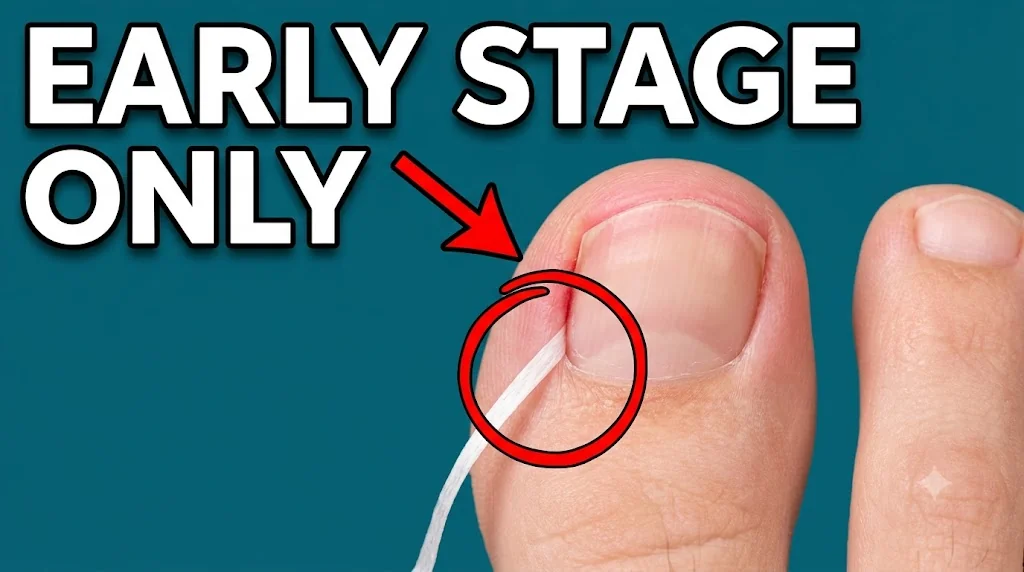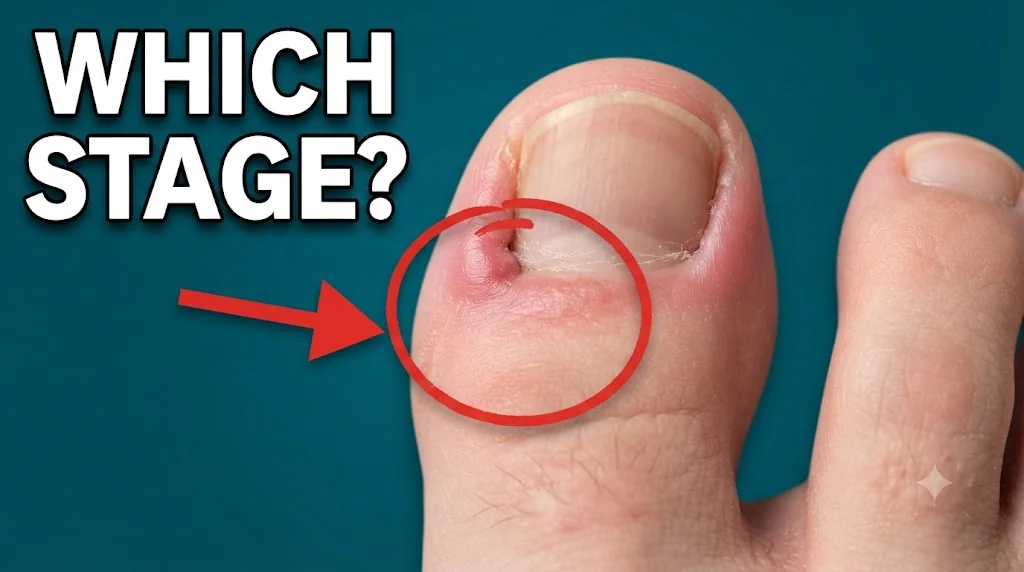
The three ingrown toenail stages are mild irritation, infection, and chronic overgrowth of tissue along the nail edge, and knowing which one you are in matters more than knowing what any of them is called. A sore, puffy corner on the big toe raises one question fast: is this normal, or is it turning into something? This guide uses the ingrown toenail stages clinicians describe to help you place your own toe in a minute or two, then tells you what is safe to do at home.
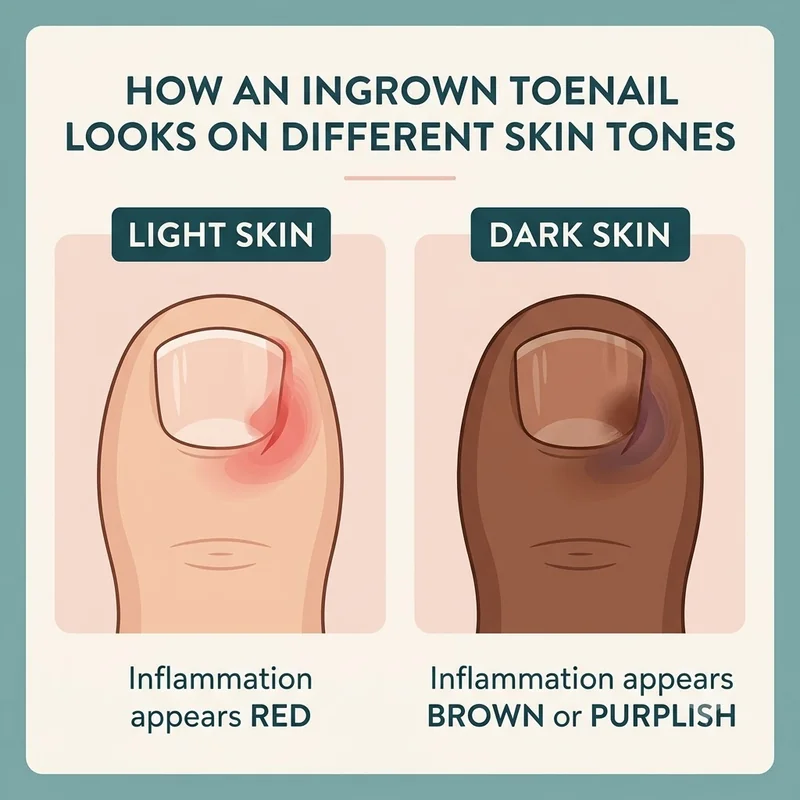
Each stage below covers what you see and feel, what changes at that point, and whether home care still makes sense or a professional should take over. Skin-tone cues, the conditions that get mistaken for an ingrown nail, and the exact point where home care should stop come after that. Stage 1 is the mildest and the easiest to deal with. The later stages are the reason to read on rather than wait and see.
What Are the Stages of an Ingrown Toenail?
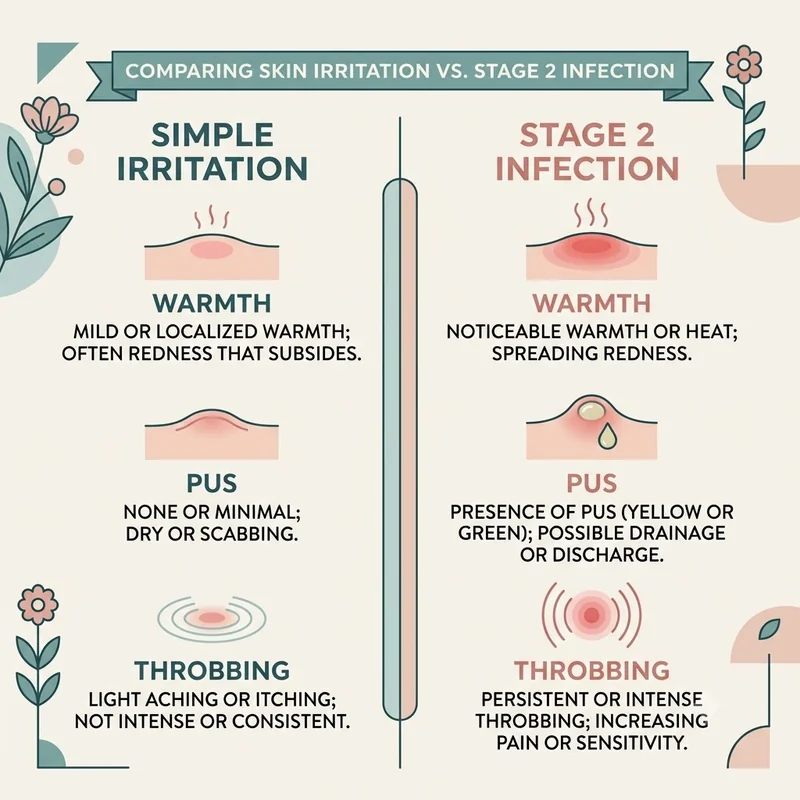
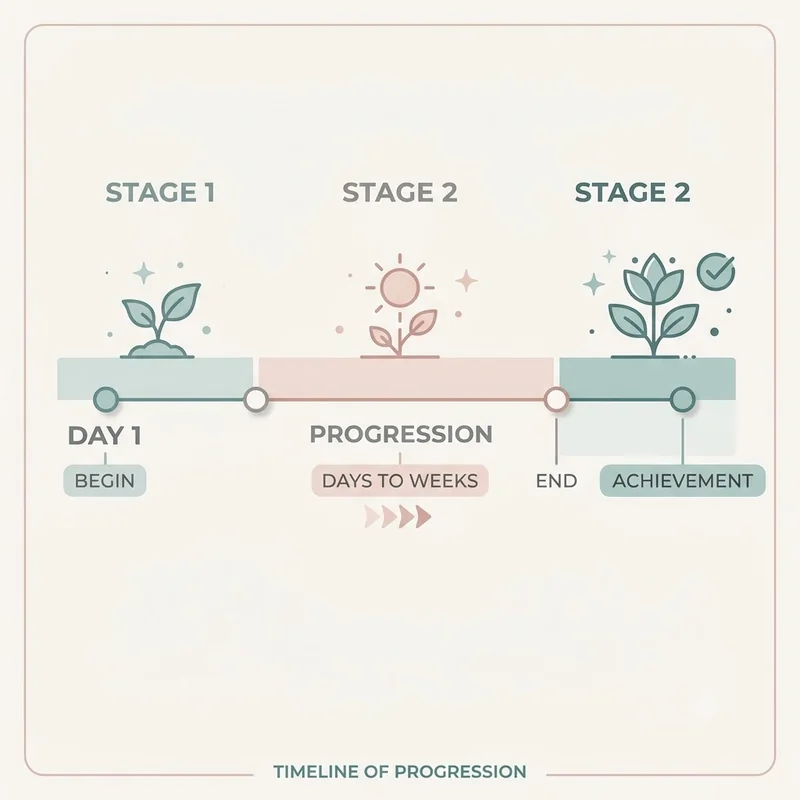
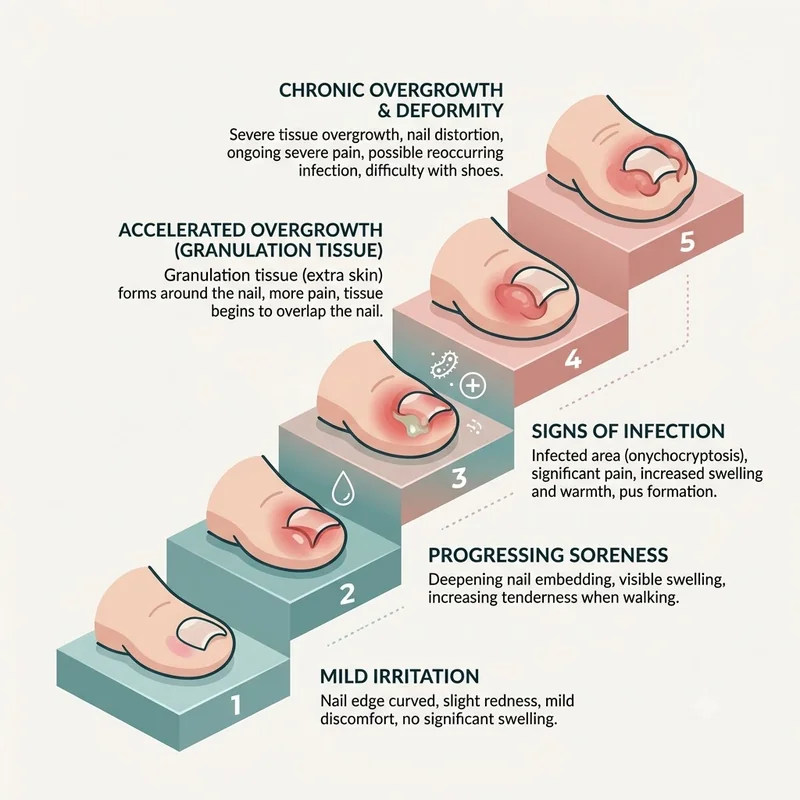
An ingrown toenail moves through three stages: stage 1 is mild irritation with redness, swelling, and tenderness, stage 2 is infection with pus or drainage, and stage 3 is chronic infection with overgrown tissue along the nail fold. This is the classification described in DermNet New Zealand's ingrown toenail guide.
An ingrown toenail (onychocryptosis) is a condition in which the edge or corner of the nail grows into the skin beside it, causing pain, swelling, and sometimes infection. Working out which of the ingrown toenail stages you are in takes three checks: is the skin still intact, is there pus or drainage, and has the tissue beside the nail started to overgrow?
Stage 1: Mild Irritation Before Any Infection
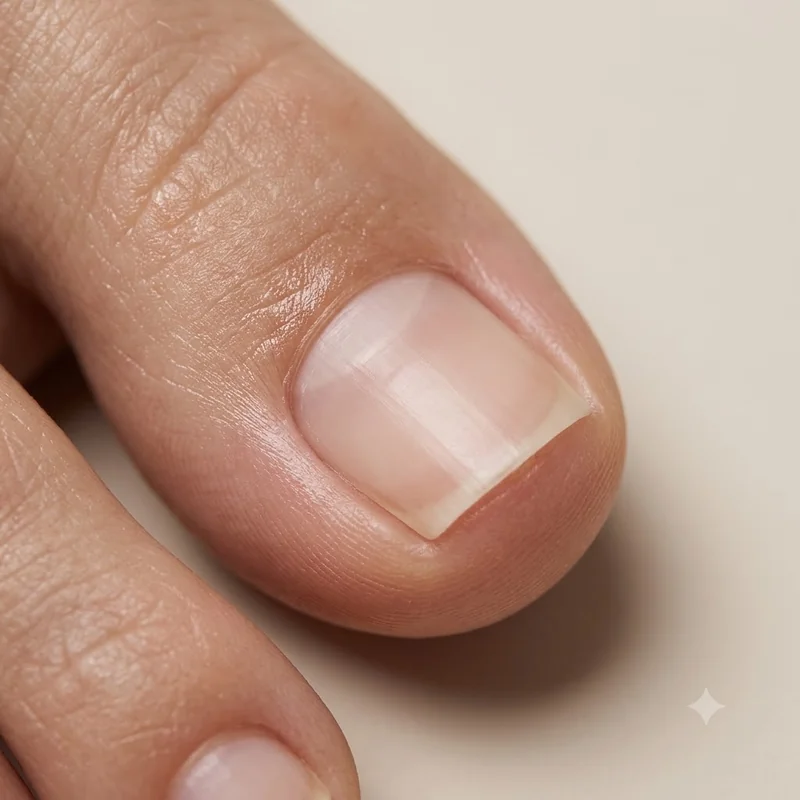
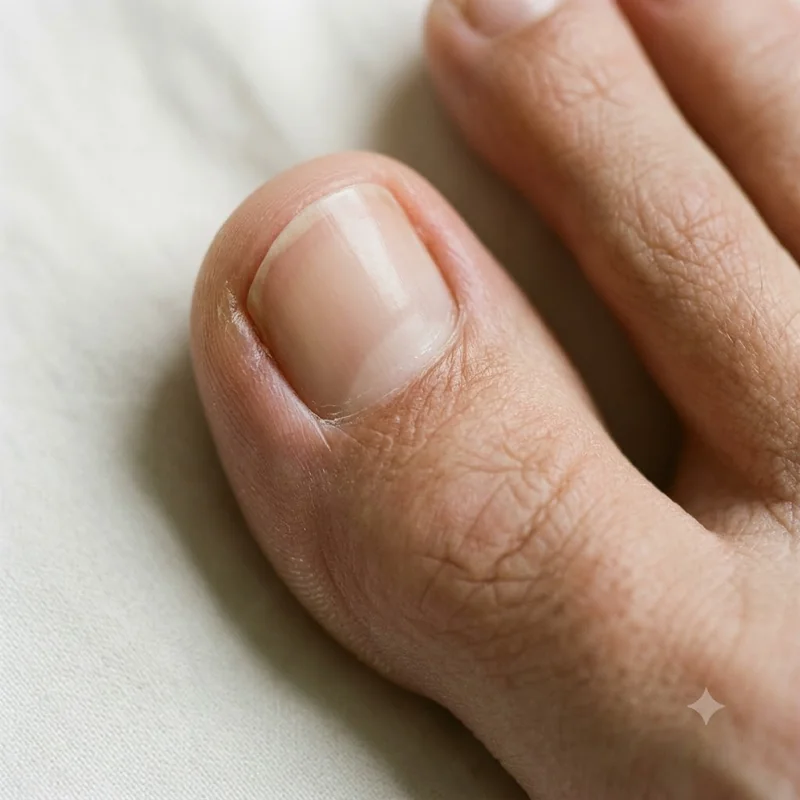
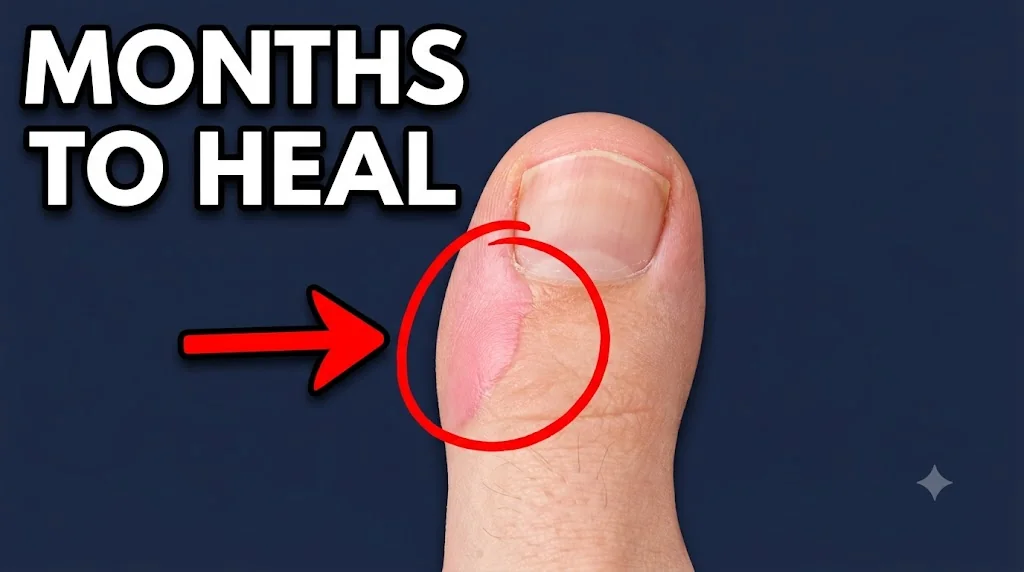
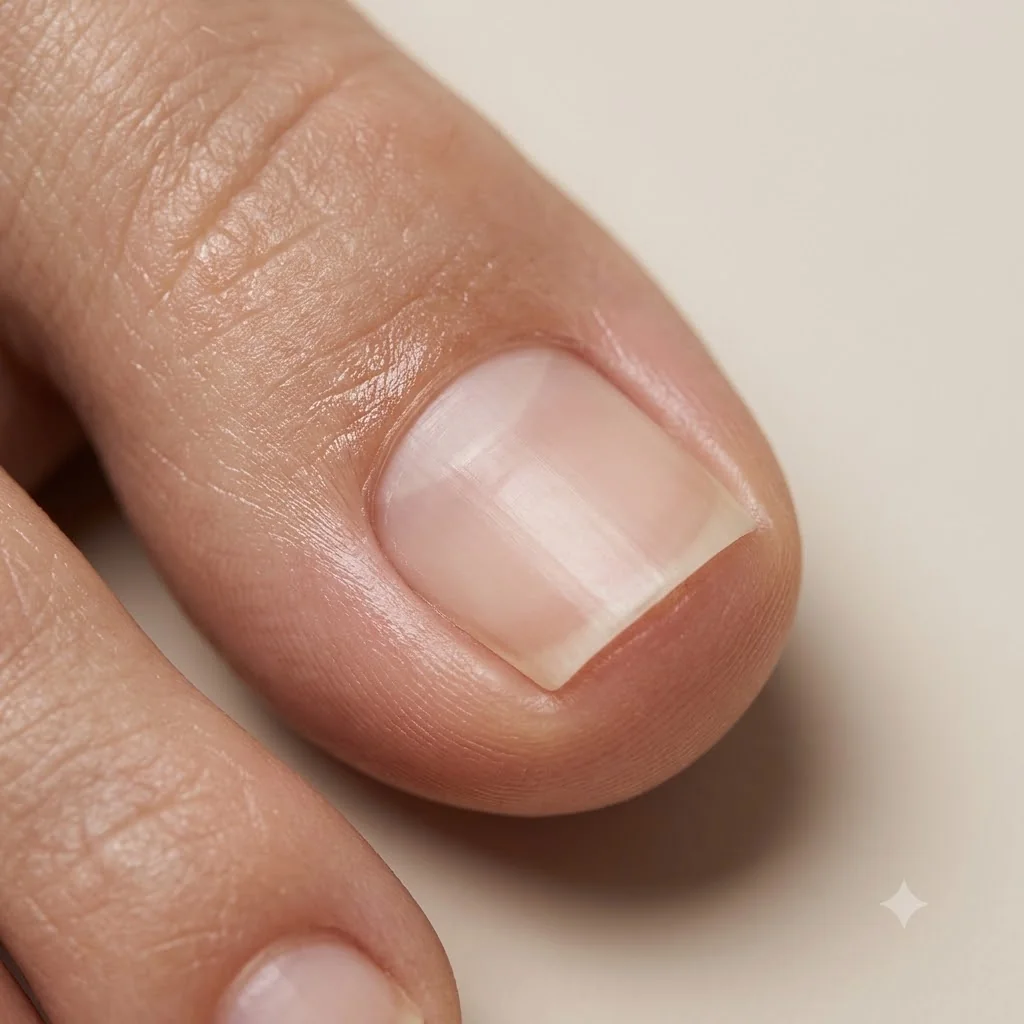
A stage 1 ingrown toenail looks like a slightly red, mildly swollen toe edge that is tender when pressed, with no pus and no broken skin. The nail is pressing into the skin but has not gone through it, so this is irritation, not infection.
Think of the end of a long day in closed shoes: the sock comes off and one corner of the big toe feels pinched. Podiatrist Cameron Bennet notes that when a nail first starts pressing into the skin, "it may or may not be painful and you might see a bit of callus (hard skin) forming around the nail edge." A painless toe does not rule stage 1 out, and hard skin along the edge is an early sign worth acting on.
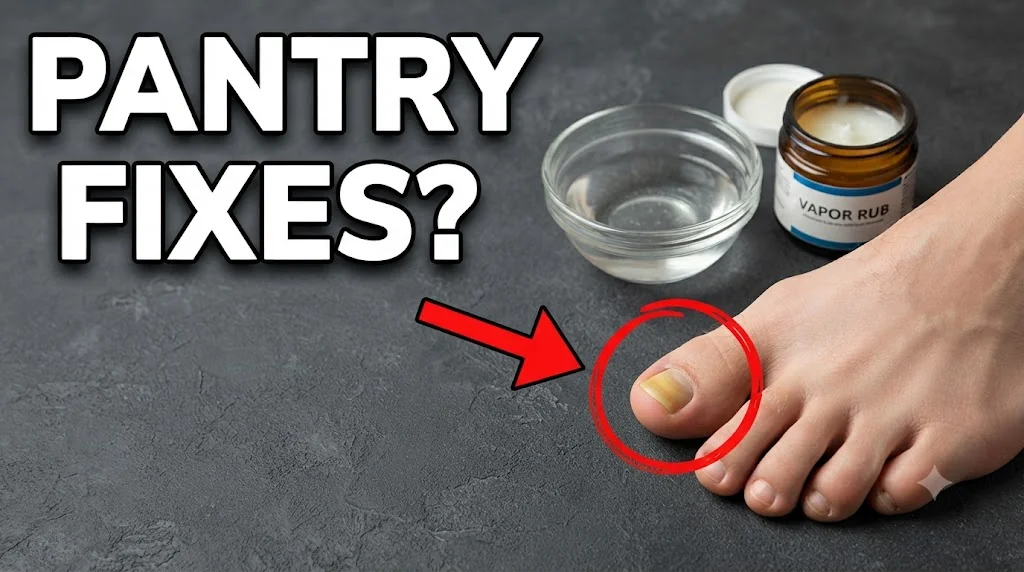
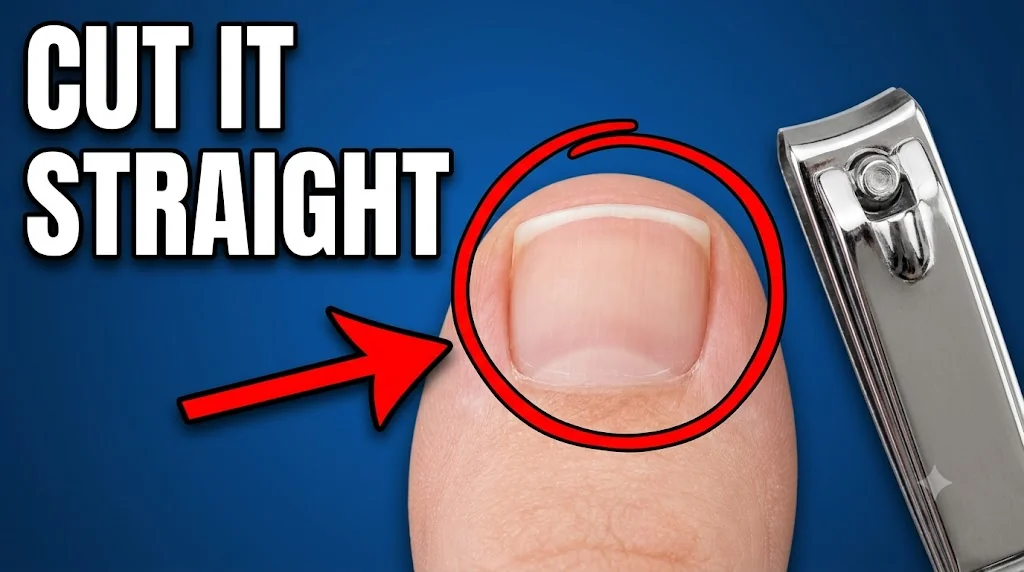
What changes at this point is pressure, nothing more. Home care fits here: warm-water soaks, a clean and dry toe, and shoes with room in the toe box. Some people gently lift the edge with a wisp of cotton, and whether dental floss under the nail actually works has its own guide. Trimming straight across, never curved into the corners, prevents a repeat, and this walkthrough on how to shape toenails at home without causing ingrown nails shows the technique.
A mild case sometimes corrects itself as the nail grows out. If the toe is getting more sore each day instead of less, or if you have diabetes or poor circulation, have a professional look at it even at this stage.