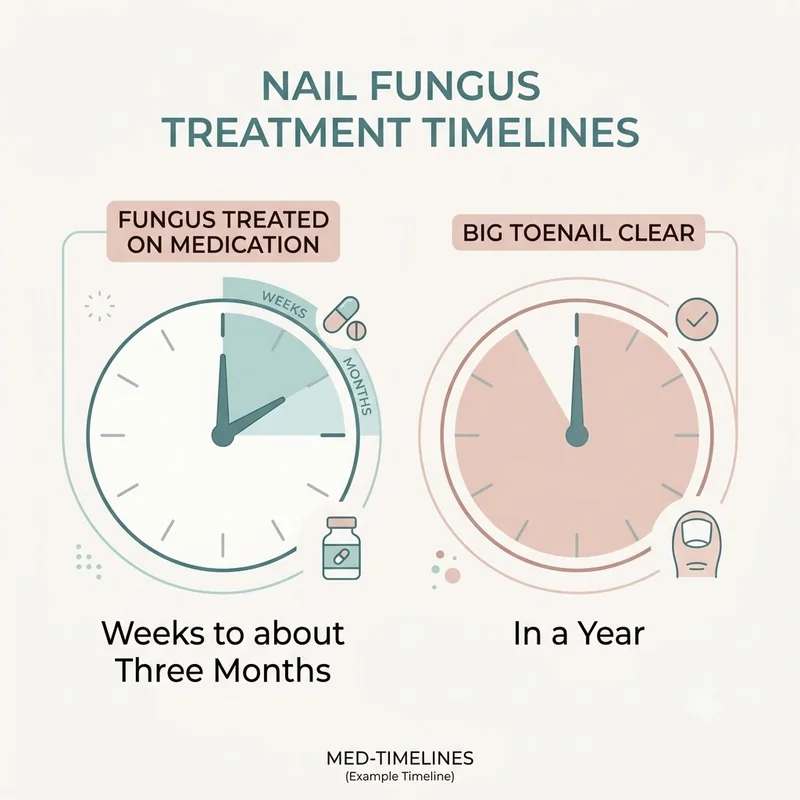
The costliest of all nail fungus myths is the belief that there is time. A toenail grows about a millimeter a month, so waiting, or trying the wrong fix, costs months rather than days, and the infection itself is real, slow, and rarely clears without prescription treatment. This guide sorts nine nail fungus myths into true and false, with the reason behind each verdict and what to do instead.
If you are holding a friend's tip or half a bottle of something from the pharmacy aisle, you are in the right place. Nothing here is a lecture about hygiene, because hygiene is rarely the story. The verdicts draw on the American Academy of Dermatology, University of Utah Health, and podiatrist Dr. Williams, who hears the same handful of beliefs from patients again and again.
Did Nail Fungus Really Start Just Two Weeks Ago?
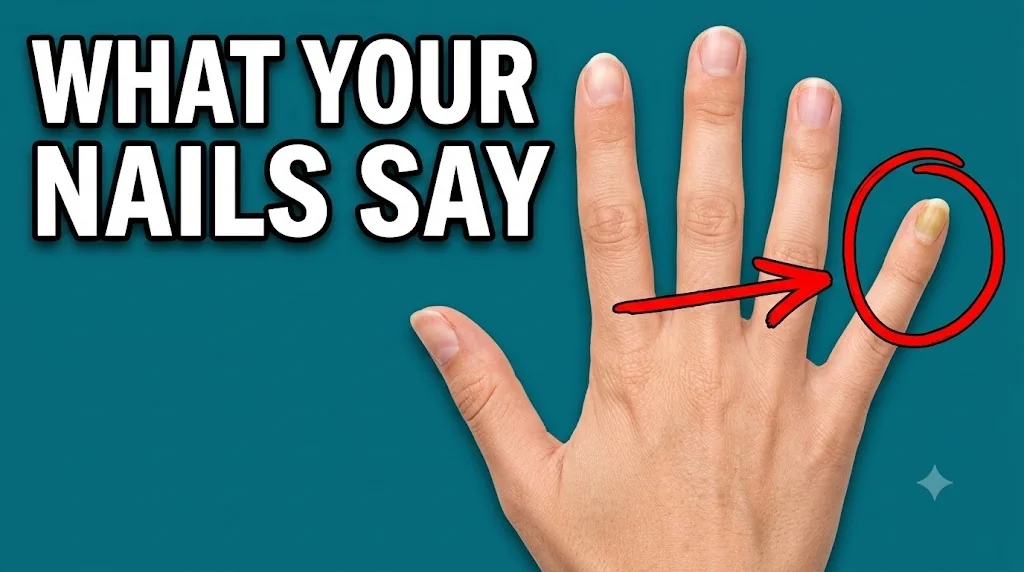
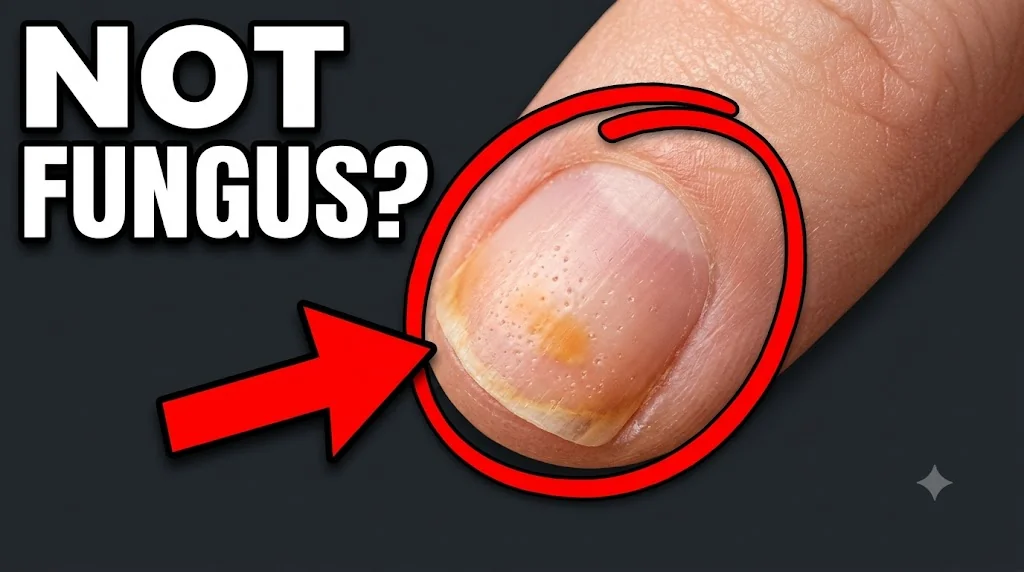
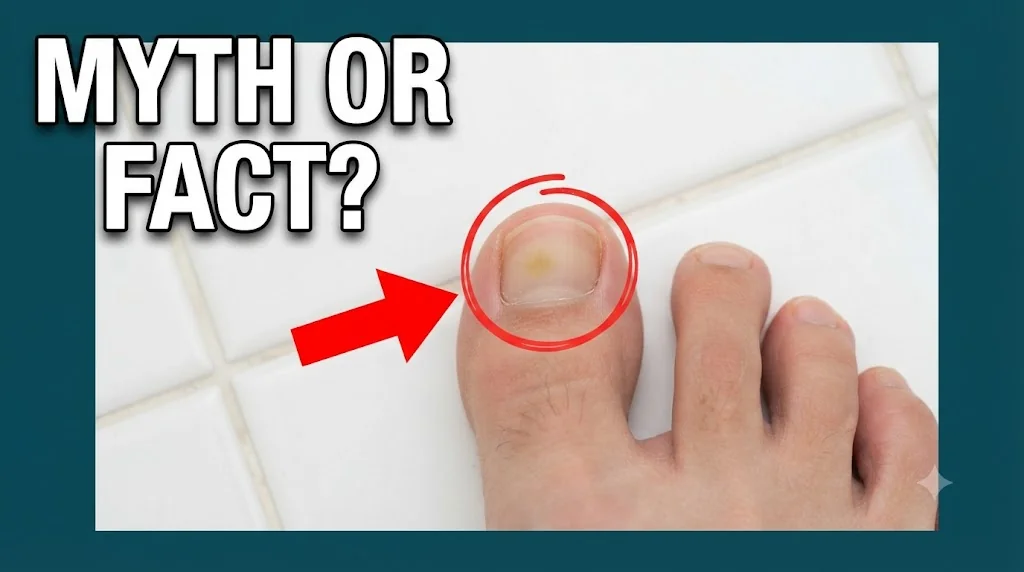
Two weeks is the number almost everyone gives, and it is almost never the true one. Nail fungus develops slowly and quietly, often over months or years, because the early stage usually does not hurt. The American Academy of Dermatology lists a color change on part of one nail as the first sign, which is easy to miss.
Dr. Williams hears the two-weeks story constantly. His answer: "This has been going on for years. It's amazing how blind we can become to things we see every day." He adds that he has "never had a patient come in that is an 'overnight fungus sensation.'"
Do this instead: photograph the nail today, in bright light, so a doctor has a starting point.
Does Nail Fungus Mean Your Feet Are Dirty?
The wrong suspect gets blamed here every time. Nail fungus does not mean your feet are dirty. Onychomycosis, the medical term for a fungal nail infection, happens when fungi get into the nail or a microscopic opening in the skin, and the American Academy of Dermatology says dirt on the nails alone cannot cause it.
Feet spend the day in shoes, warm and often damp, which is where fungi thrive. Washing without drying between the toes can raise the risk. Shame is one of the sturdier nail fungus myths, and it is the one that keeps people from asking for help.
Do this instead: dry between the toes, and drop the guilt.