Every nurse has Googled this. And every nurse has been told the same thing: check your facility policy. Which is true, technically and completely useless. Policies do not tell you what BIAB is, whether gel polish is categorically banned or just gel extensions, or why your regular polish lasted precisely four hours before it started peeling under your gloves. Nails for nurses is a topic where the standard advice fails you at exactly the moment you need it most.
This post does not do that. It maps what most nurse nail policies actually require, by clinical setting, so you know where you sit before you book your next salon appointment. You will understand the difference between CDC-guided standards and WHO-guided ones, why an OR nurse and a long-term care nurse are working under different rules, and which modern nail finishes can actually survive a 12-hour shift without dissolving into your glove. Nails for nurses is not a one-answer topic. Once you understand the framework, the specific answer for your setting is straightforward.

What nail rules actually apply to nurses?
Knowing the rules means knowing which rules apply to your specific role not reading a generic list and assuming the most restrictive version applies to everyone.
Yes, nurses in most facilities can wear nail polish at work, with conditions. Natural nails must be kept short (no further than the fingertip), polish must not be chipped, and no artificial enhancements are permitted in direct patient care settings. The permissible colours and finishes depend on your facility type and your unit.
Two major frameworks shape nurse nail policy globally. The CDC recommends that healthcare personnel not wear artificial nails and keep natural nails to less than one quarter of an inch in length when caring for patients at high risk of acquiring infections. This is the baseline most US and Canadian facilities build their policies from, and it focuses specifically on high-risk patient populations. The WHO is more stringent: its hand hygiene guidelines identify artificial fingernails as an infection risk factor and prohibit artificial nails and extenders for all healthcare workers, not only those in high-risk settings. UK NHS policies tend to follow WHO guidance, which is why they are typically stricter than equivalent US community hospital policies.
What the Joint Commission guidance on artificial nails and gels makes clear is that accreditation standards require facilities to have an infection control policy on nails but the Joint Commission does not prescribe a single universal rule. Your facility's policy is the implementation of one of these frameworks. Understanding which framework sits behind your policy is what lets you read it accurately, rather than guessing at the edges.
This is part of a wider set of professional nail standards covered in our guide to work nails but nursing has specific infection control requirements that make it worth addressing separately and in detail.

Why most nurse nail guides get it wrong
Every competing article on nails for nurses collapses the answer into the same two sentences: no artificial nails, keep them short, check your policy. That is not wrong it is just incomplete in the way that is most frustrating to the person asking.
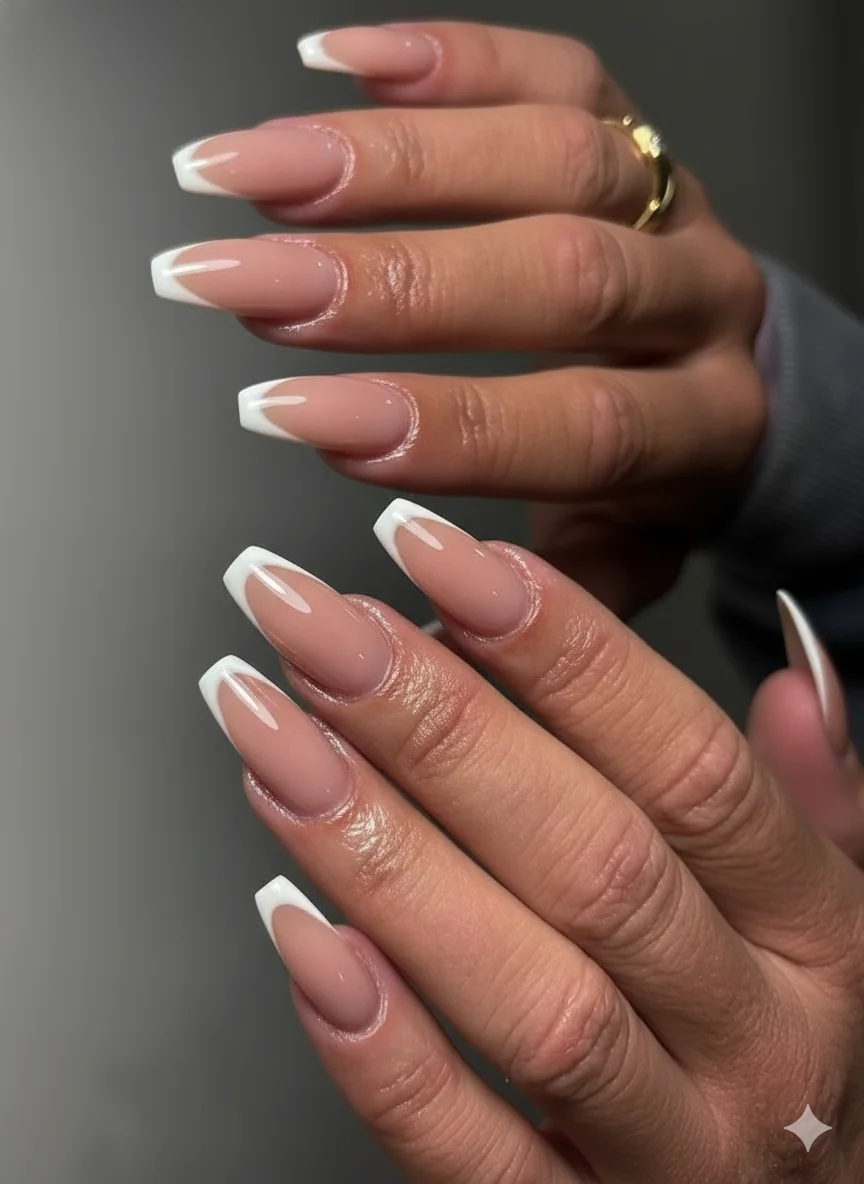
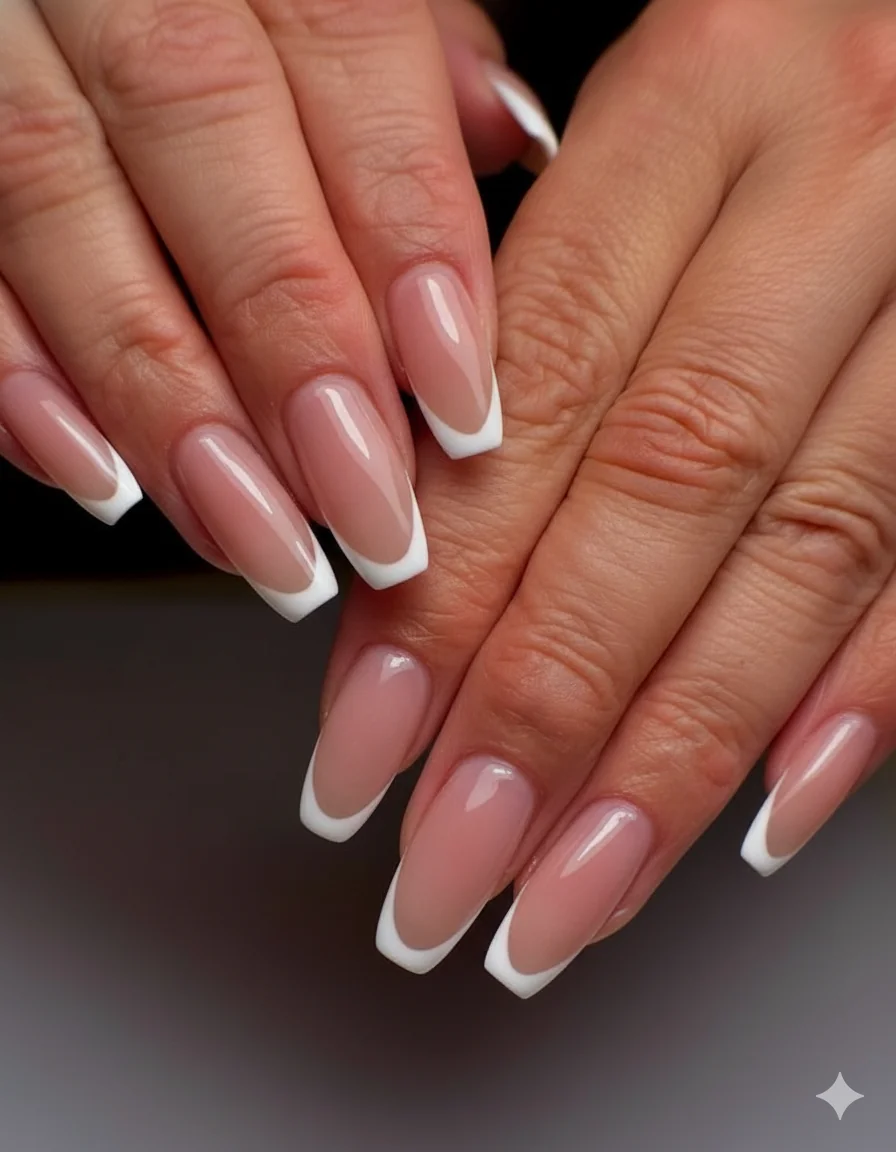
The problem is threefold. First, most guides treat "gel nails" as a single category when they are not. Gel extensions, gel overlays on natural nails, gel polish, and BIAB are four distinct things with different infection control profiles. A guide that says "gel nails are banned" is not wrong, but it is not telling you that gel polish on a natural nail is a different clinical situation than a full set of gel extensions. Second, almost no guide distinguishes between clinical settings the rules that apply in an operating theatre are materially different from those in a long-term care facility, and a nurse who works admin is in a different category again. Third, the regular polish problem is almost never addressed. Research on hand hygiene in clinical settings, including studies reviewed by sources like the research on gel manicures and hand hygiene in clinical settings, documents that chipped nail polish can support higher bacterial counts on fingernails than freshly applied polish which is why "no chipped polish" is the rule, not "no polish at all."
Nurses deserve the full picture, not a liability-driven oversimplification. Once you have it, the decisions are actually quite clear.
Nails by nursing setting: OR, ICU, ward, LTC, and non-clinical
Picture the scrub sink outside an operating theatre. You are about to assist with a two-hour procedure, and your hands are the most controlled variable in that room.
OR nurses work under the strictest nail rules in the profession. AORN (the Association of periOperative Registered Nurses) guidance requires natural nails only, no polish of any kind, and nails trimmed short enough to not compromise the sterile field. This is not about appearance it is about the subungual region, the space under the nail where gram-negative bacteria accumulate and survive even thorough scrubbing. In the OR, the standard is bare and short. No exceptions to discuss.
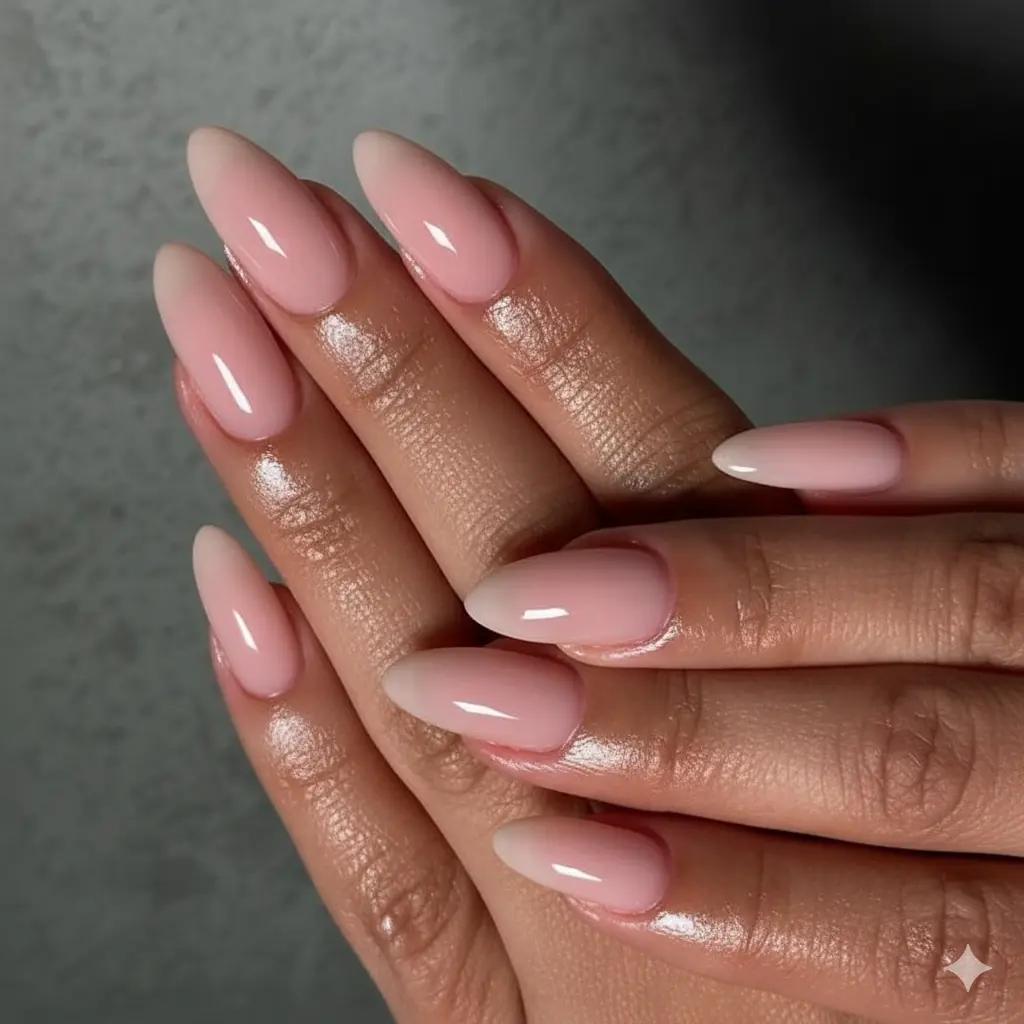
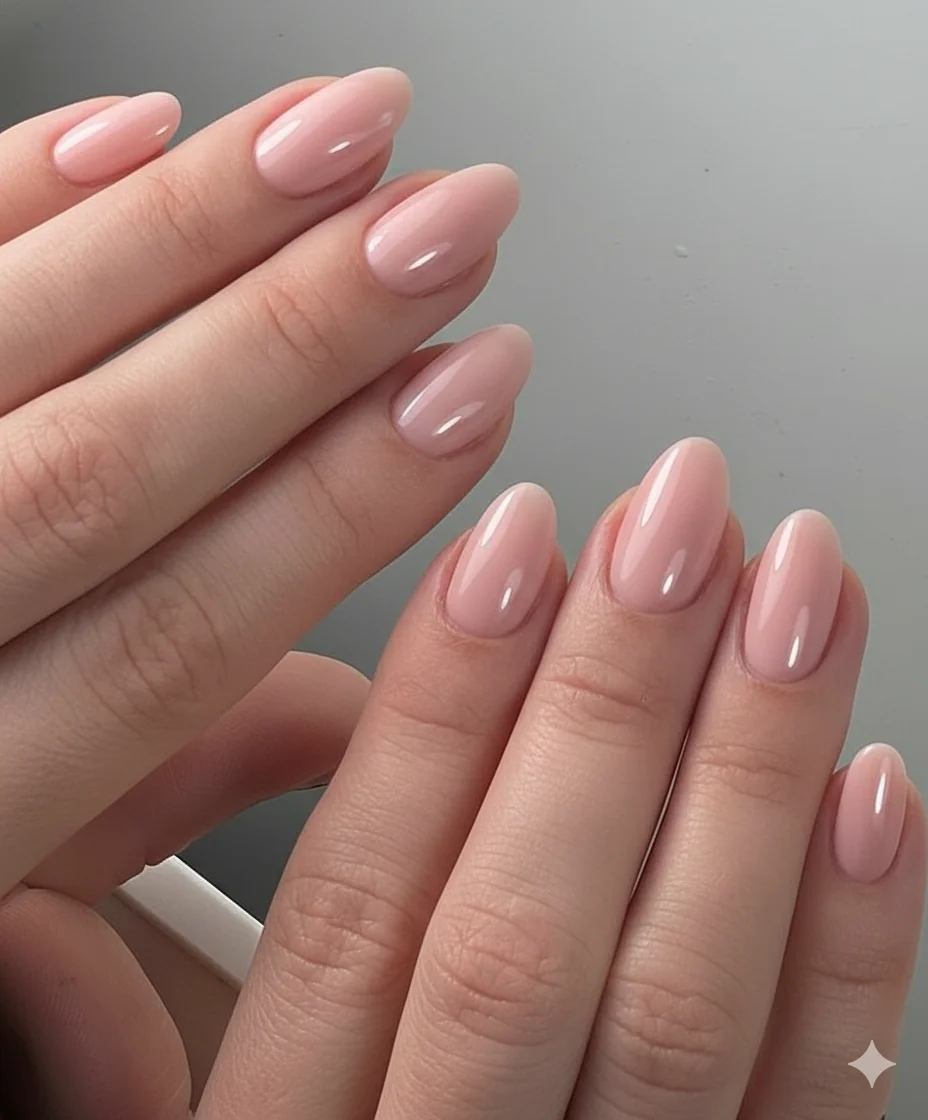
ICU and high-dependency units typically follow a similar standard. Patients are immunocompromised, lines are invasive, and the CDC's high-risk patient guidance applies directly. Most ICU policies prohibit polish and artificial enhancements. Some allow a clear or very pale natural-looking polish if it is chip-free and freshly applied but this is facility-specific, not a default permission.
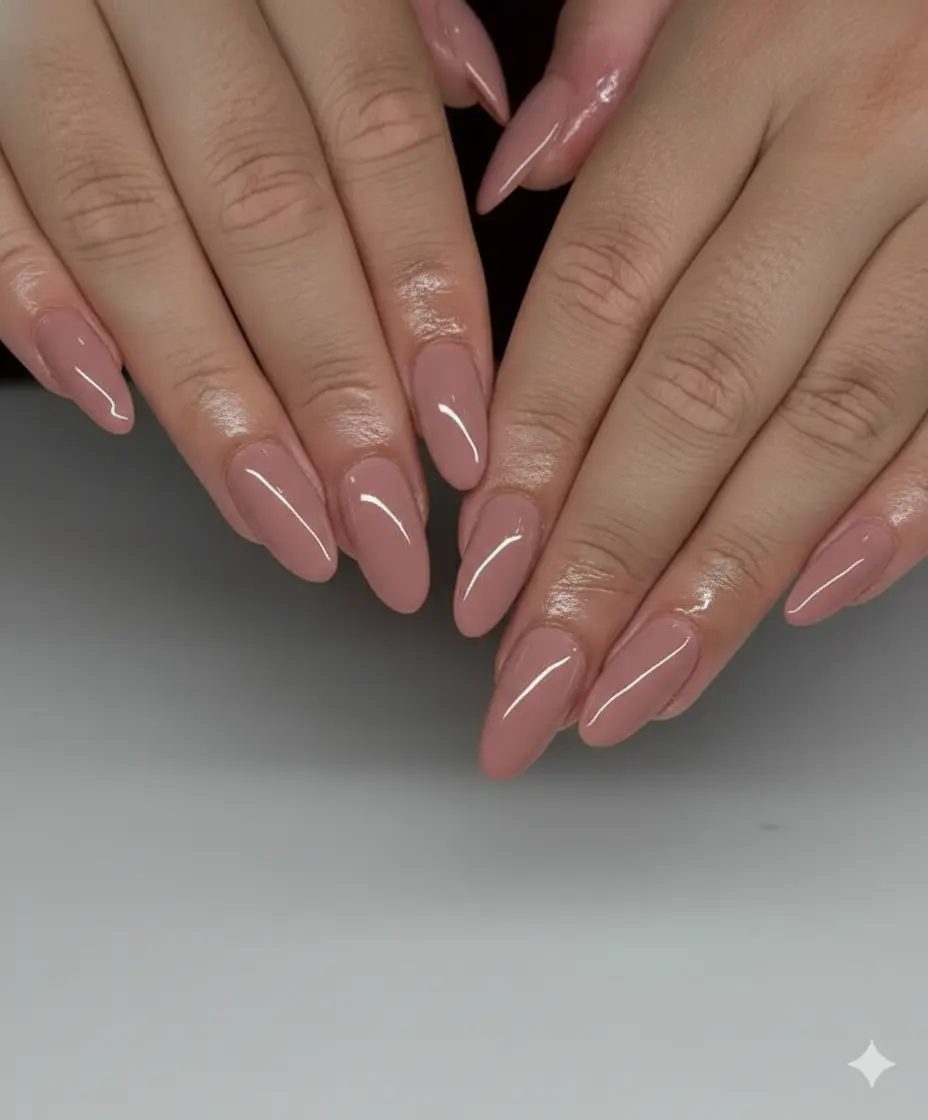
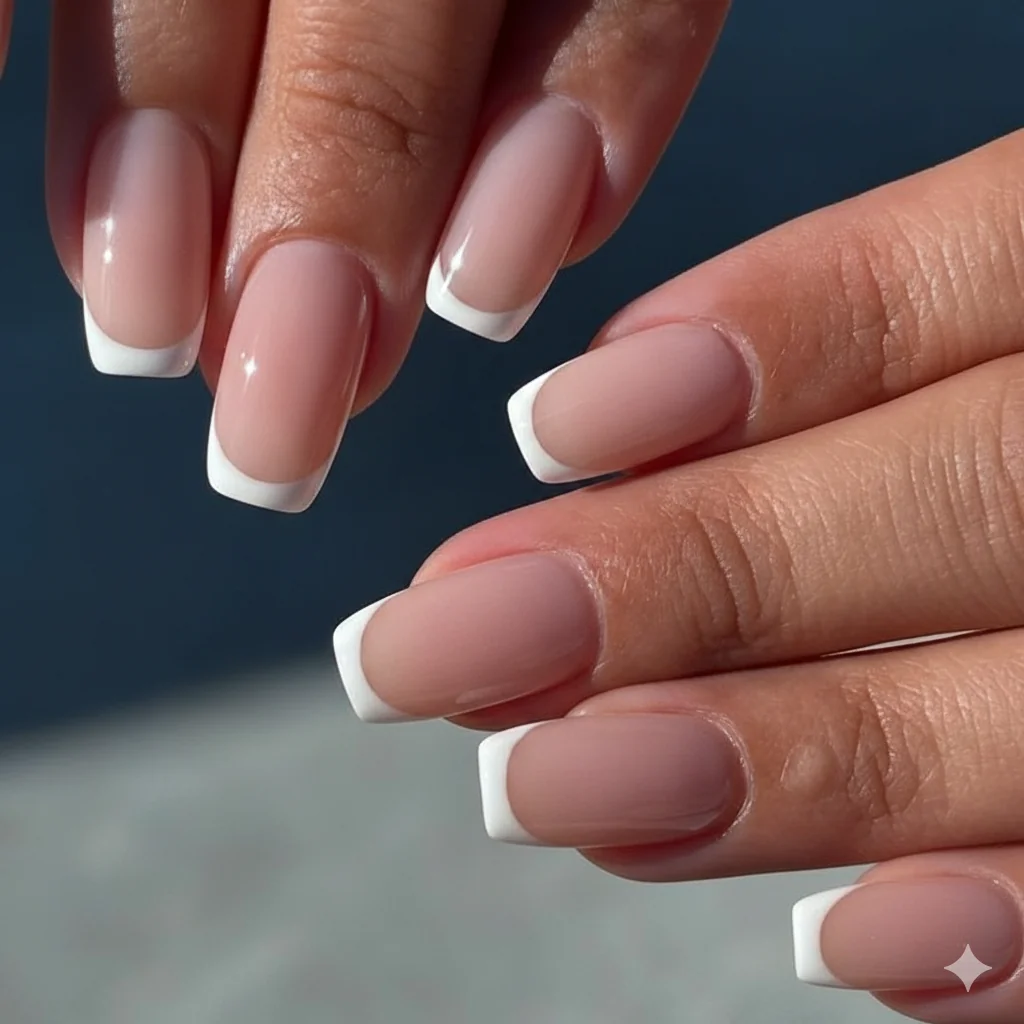
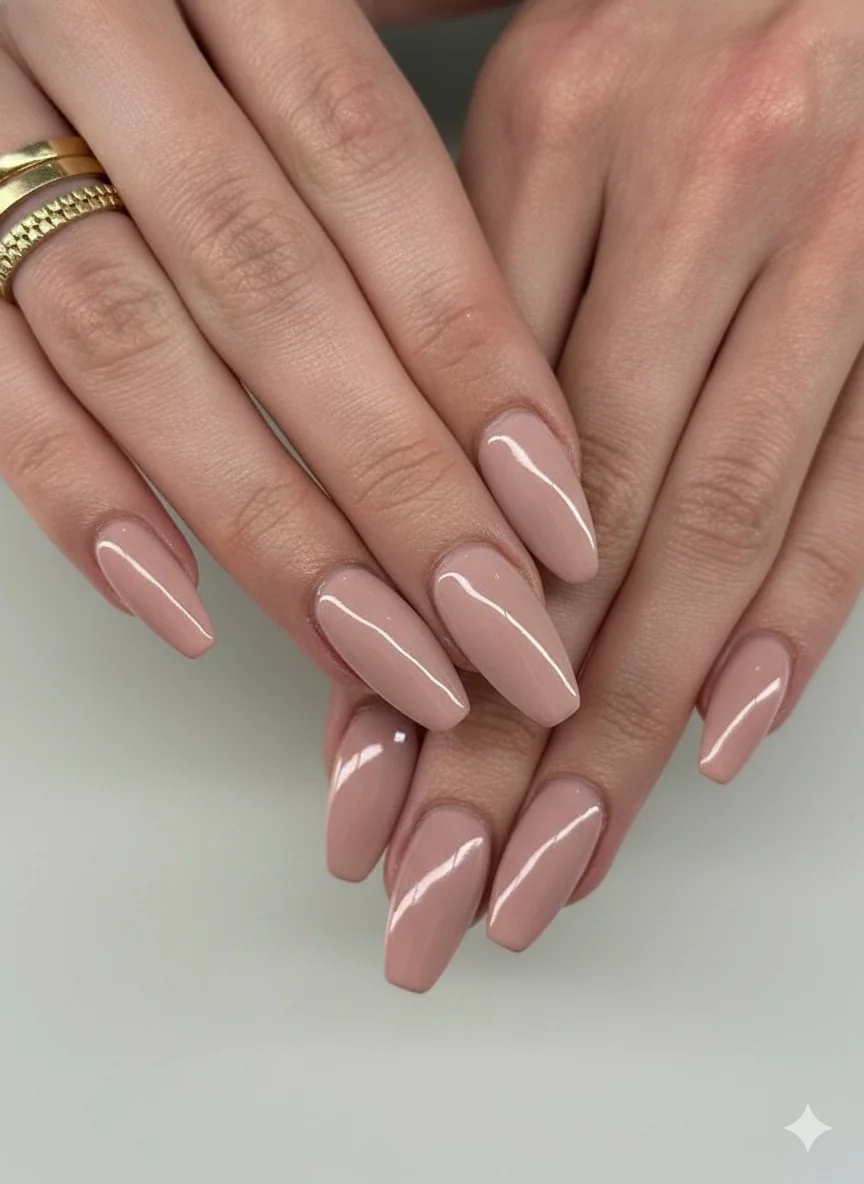
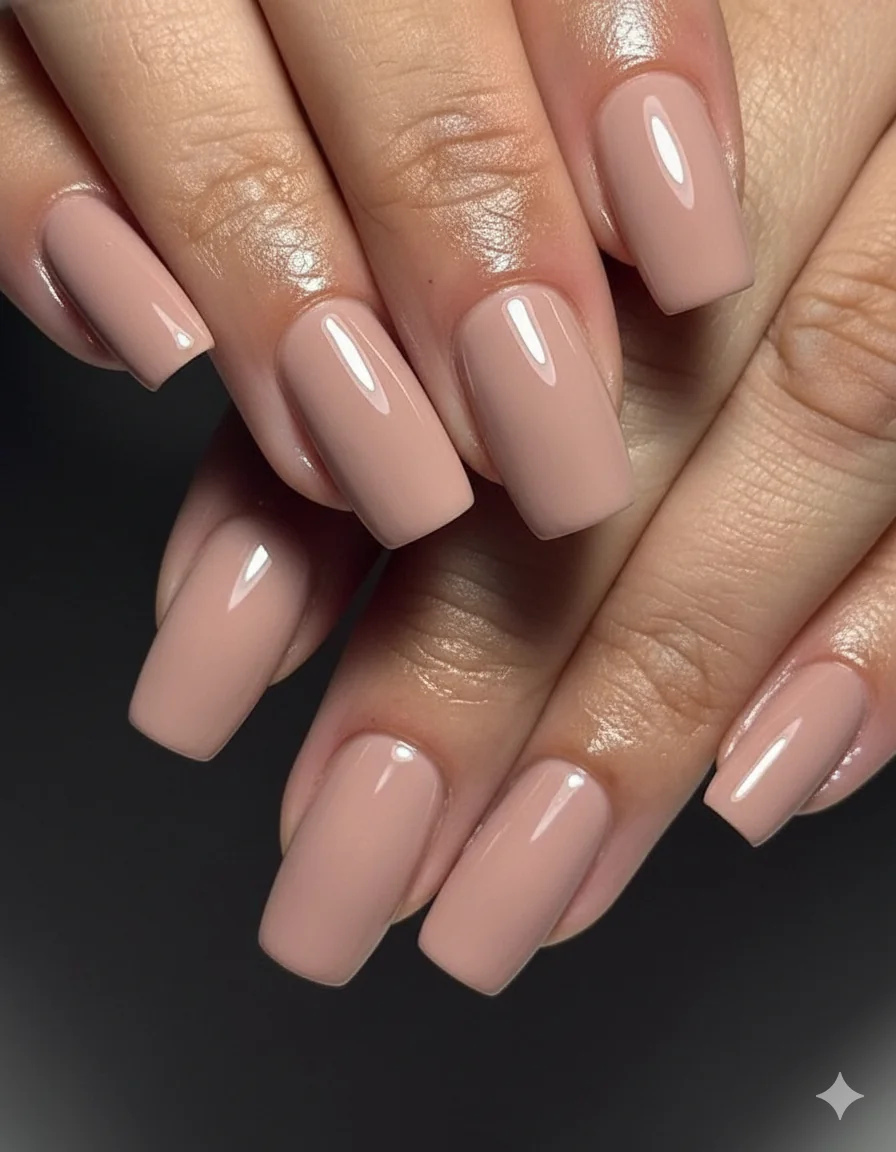
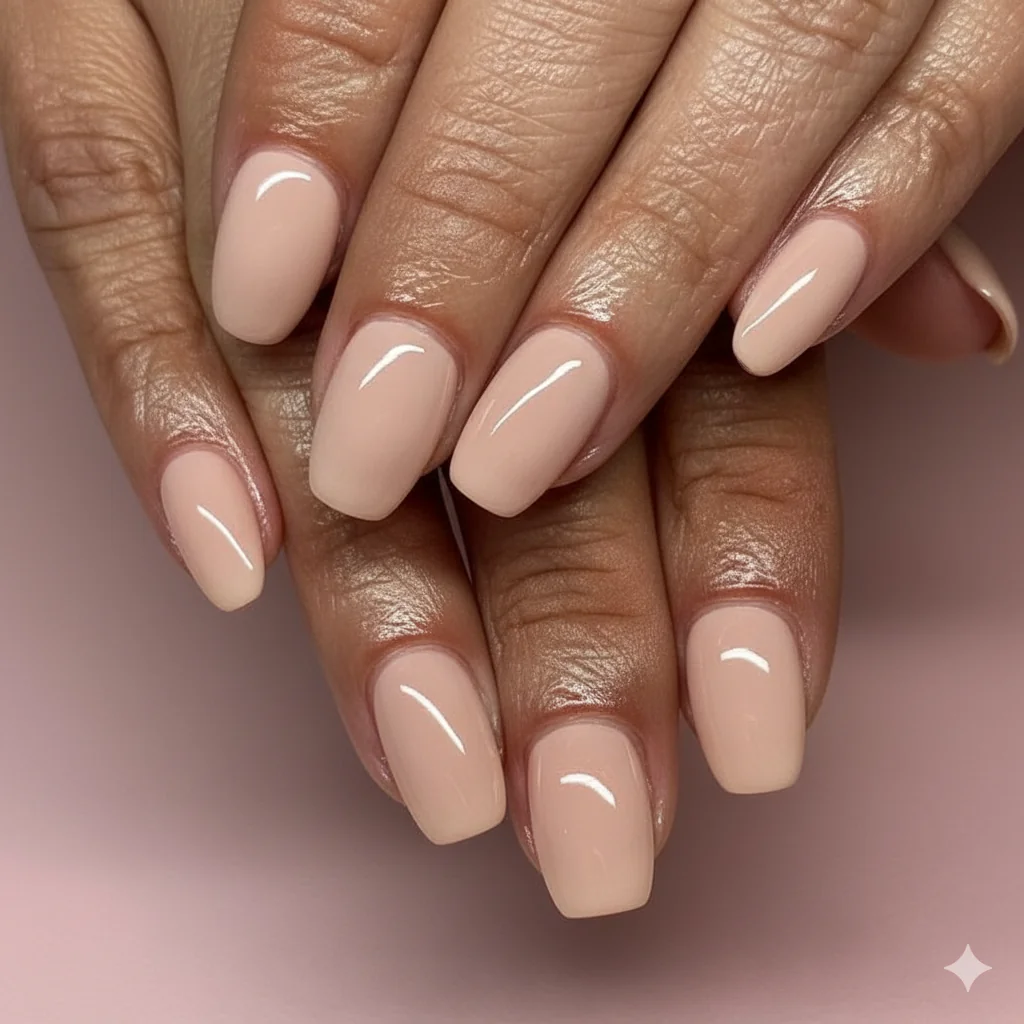
Ward nurses in general medical or surgical settings usually have more flexibility, and this is where the policy landscape genuinely varies. Many ward-based nurses in US and Australian facilities can wear a short squoval or round natural nail with a neutral or pale-coloured polish, provided it is chip-free. The case for keeping nails short here is about more than compliance and the broader case for short nails for work as a professional standard is worth understanding beyond the clinical context.
Long-term care (LTC) nurses often work under the most relaxed policies, particularly in residential care settings rather than clinical facilities. Pale polish, clear overlays, and in some facilities even muted nail art have been permitted, though this varies significantly by employer. If you work in LTC, read your facility's dress code directly rather than assuming the strictest interpretation applies to you.
Non-clinical nursing roles nurse managers, educators, case managers who do not provide direct patient care are typically not subject to the same infection control standards. Most dress code policies specify "direct patient care" as the trigger for nail restrictions.