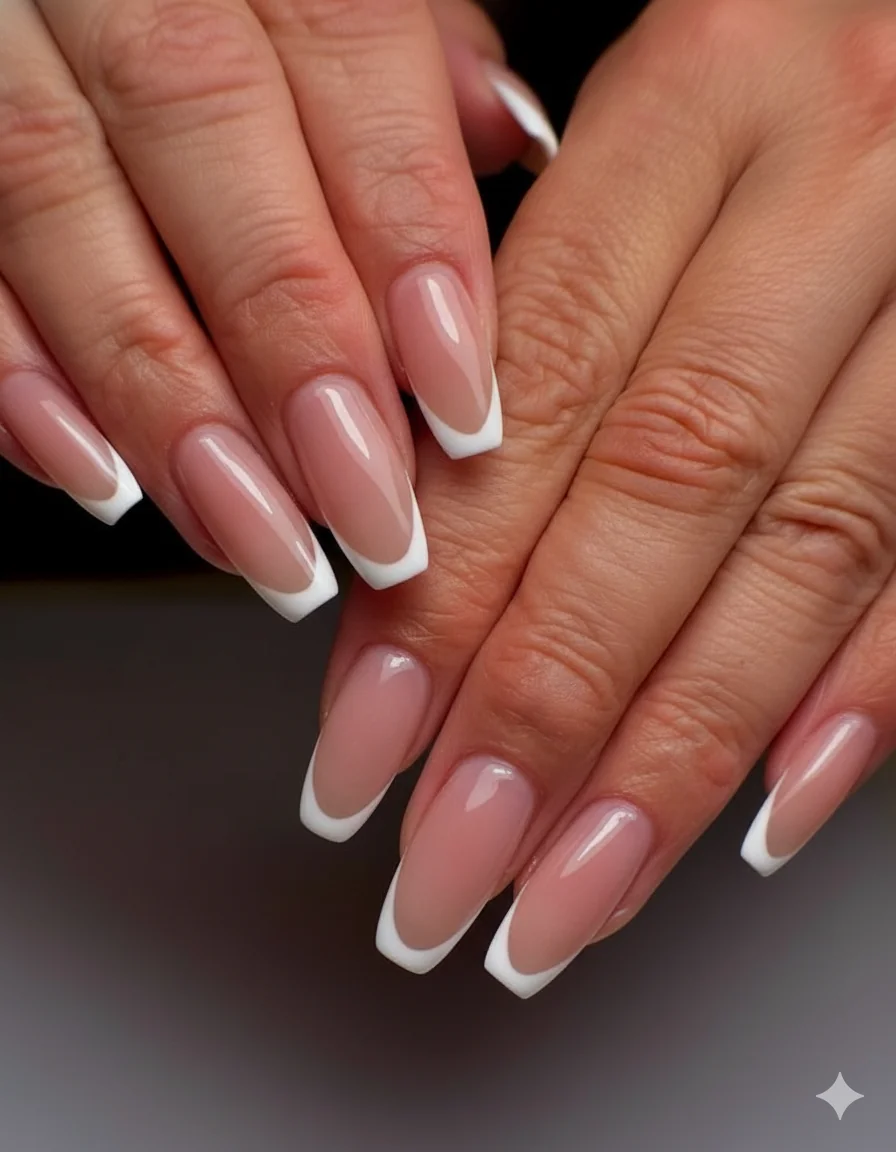
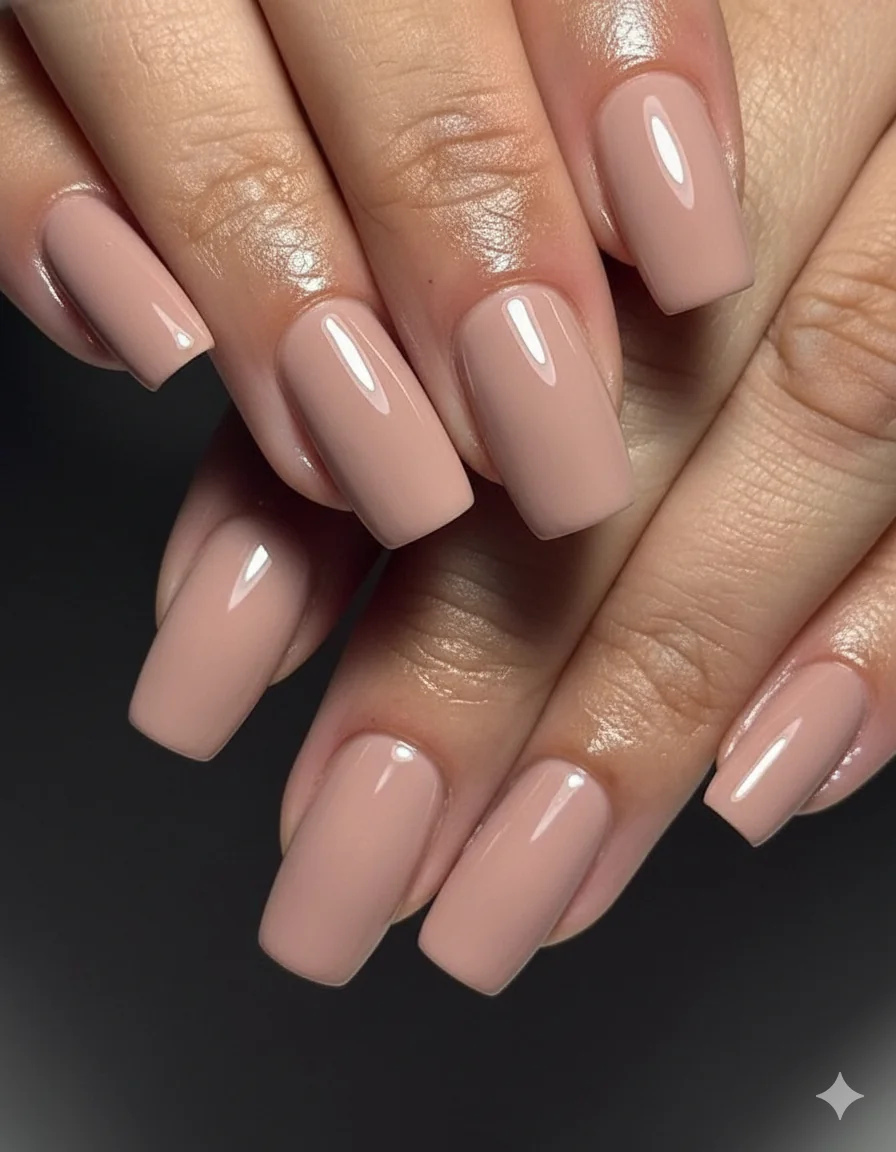
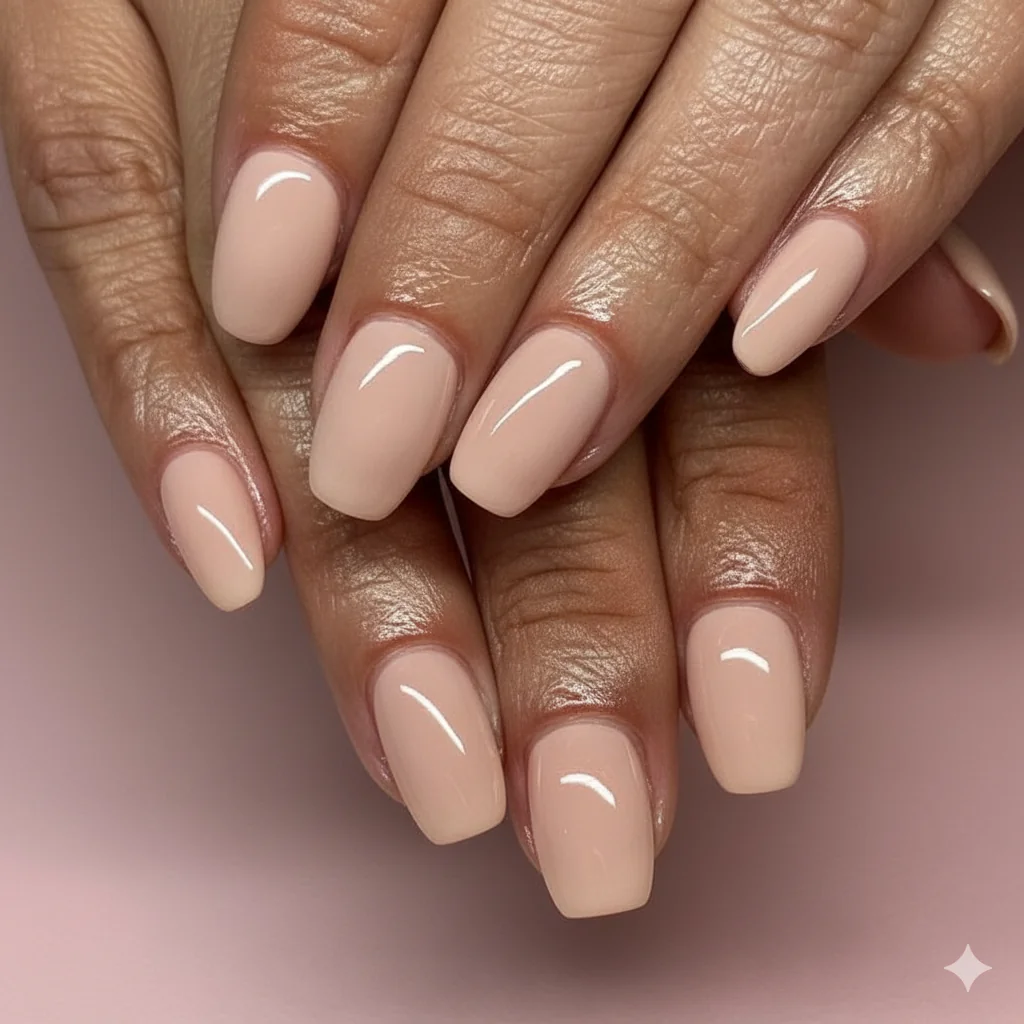
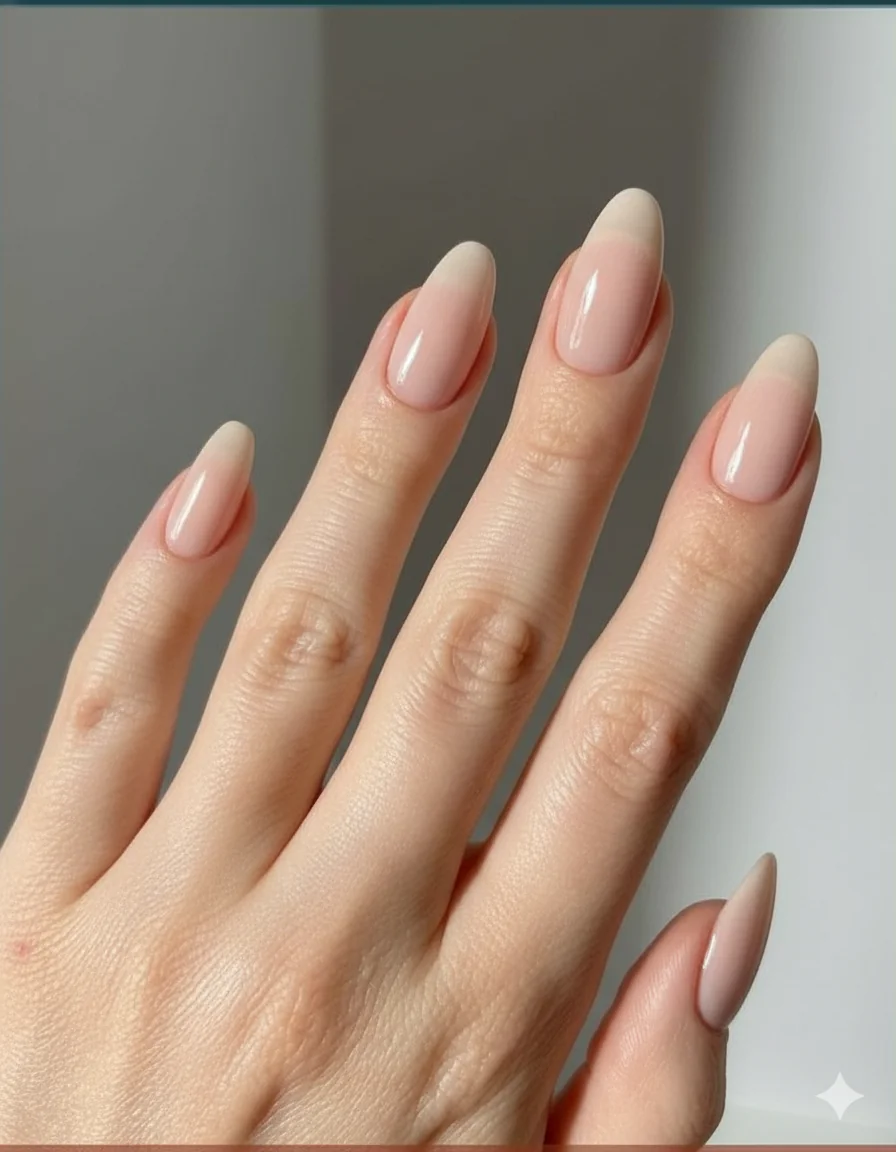
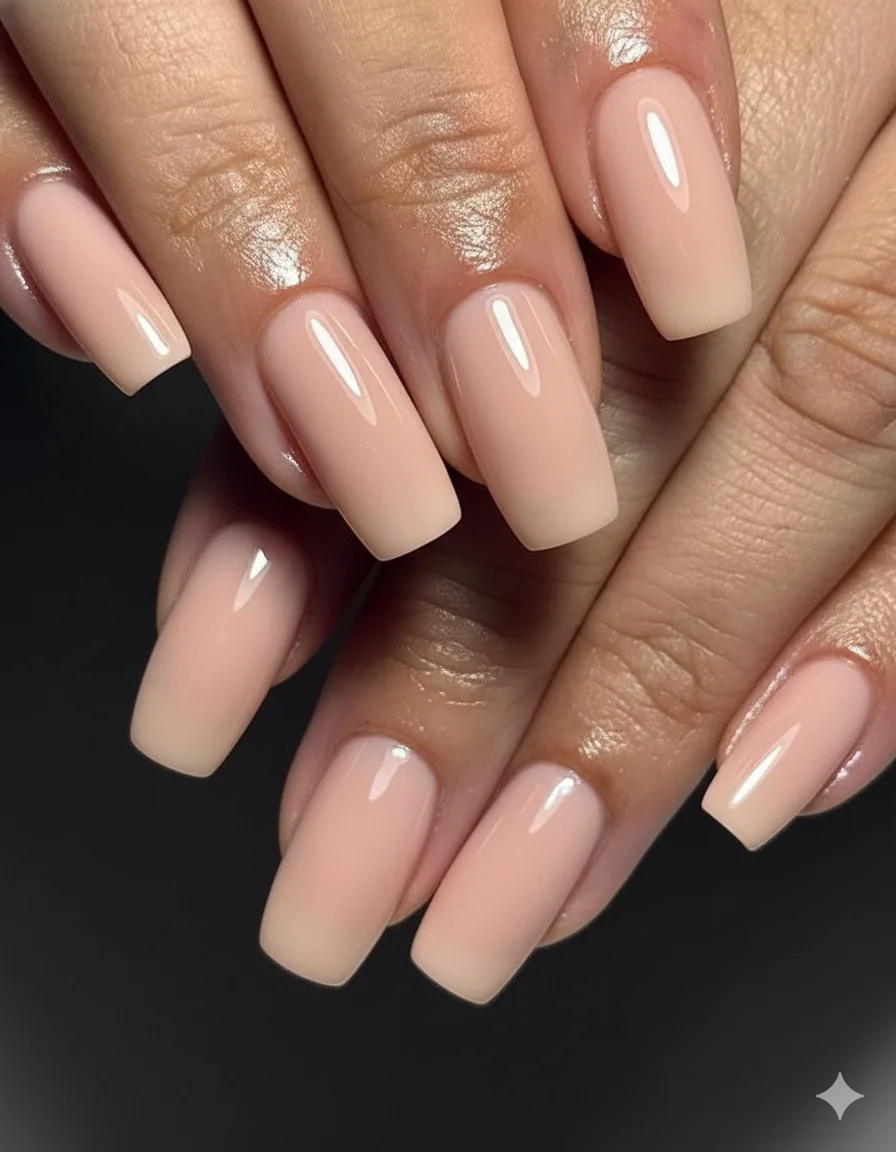
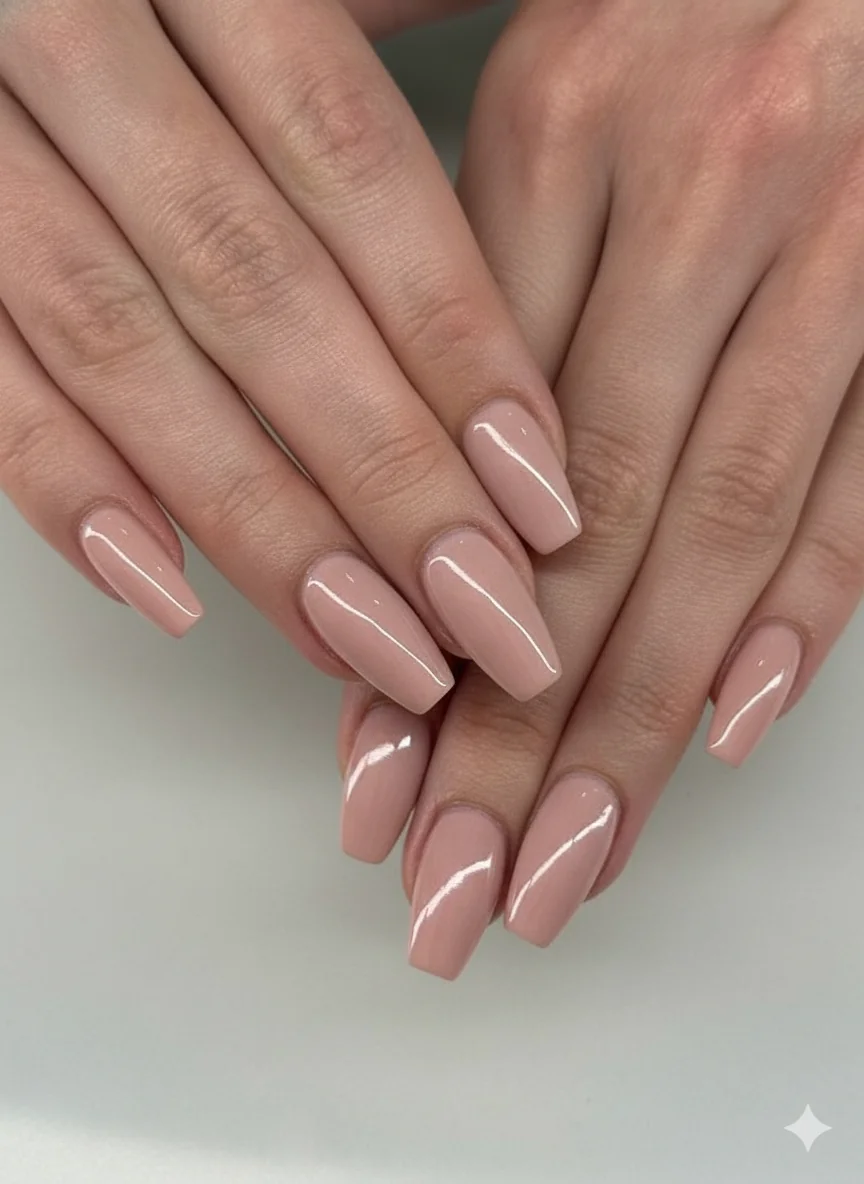
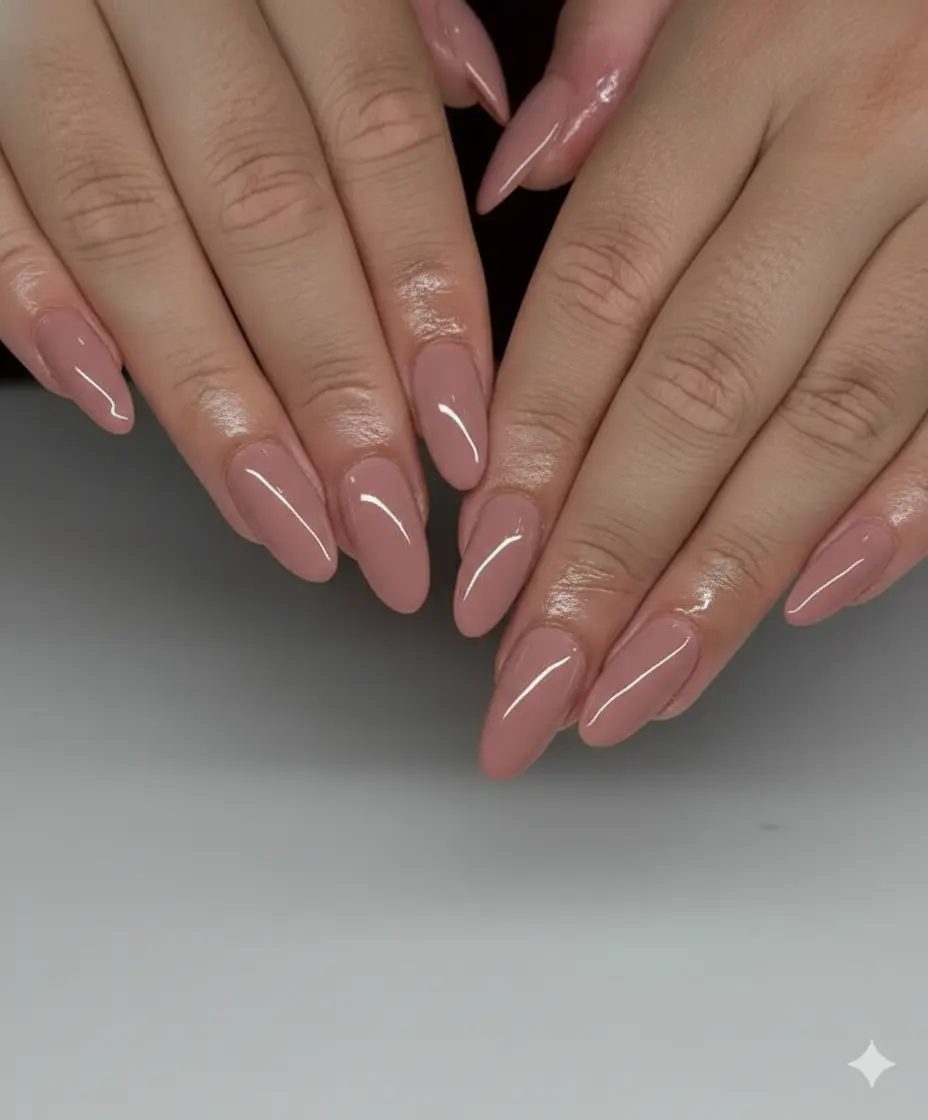
Nails for teachers occupy a strange middle ground in professional beauty advice. On one side: guides that tell you to keep it beige and understated, as though you work in a law firm. On the other: Pinterest boards full of elaborate acrylics that would snap clean off by Tuesday morning break. The frustration is real, and the answer to both extremes is the same they were written by people who have never spent a Thursday afternoon supervising a Year 4 art project.
What actually shapes your nail choices as a teacher isn't policy; it's physics. Chalk dries out the hands. Whiteboard markers are relentless. Glue, wet paper, and small children with a grip that could bend steel all have opinions about your manicure. Freedom is genuine. The ceiling is durability.
These nails for teachers have that calculus built in. Not a gallery of things that look good on day one. A guide to what looks good on day five, and what system gets you there without spending your lunch money at the salon.

Do teachers actually have nail restrictions?
No regulatory framework governs nail standards for teachers. Unlike nursing, food preparation, or medical roles where nail length and finish are explicitly controlled by infection and safety guidelines teaching sits entirely outside that jurisdiction. Most school staff dress codes either omit nail guidance entirely or offer something vague about "professional appearance," which in practice means whatever the head teacher defines it as on any given day.
That said, it is worth spending thirty seconds with your staff handbook, particularly if you are new to a school. Some settings independent schools with formal uniform cultures, or schools with a particularly conservative leadership approach may have informal expectations that aren't written down anywhere but are absolutely noticed. Read the room in your first week. Then proceed accordingly. You will almost certainly have more freedom than you assumed.
The question about whether whether acrylics are permitted in most school dress codes is answered simply: they usually are. The practical question whether they will still look decent by Friday is harder.

What nail length and shape work best for teaching?
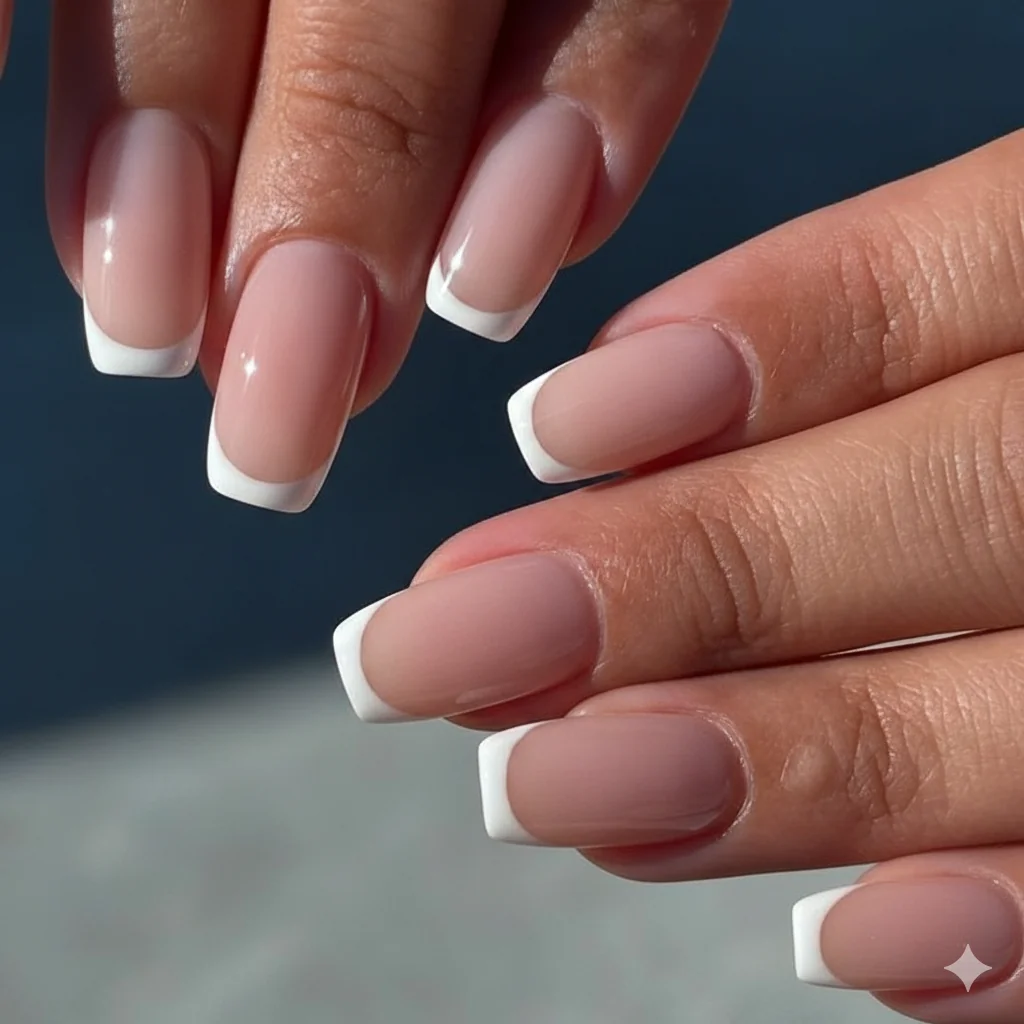
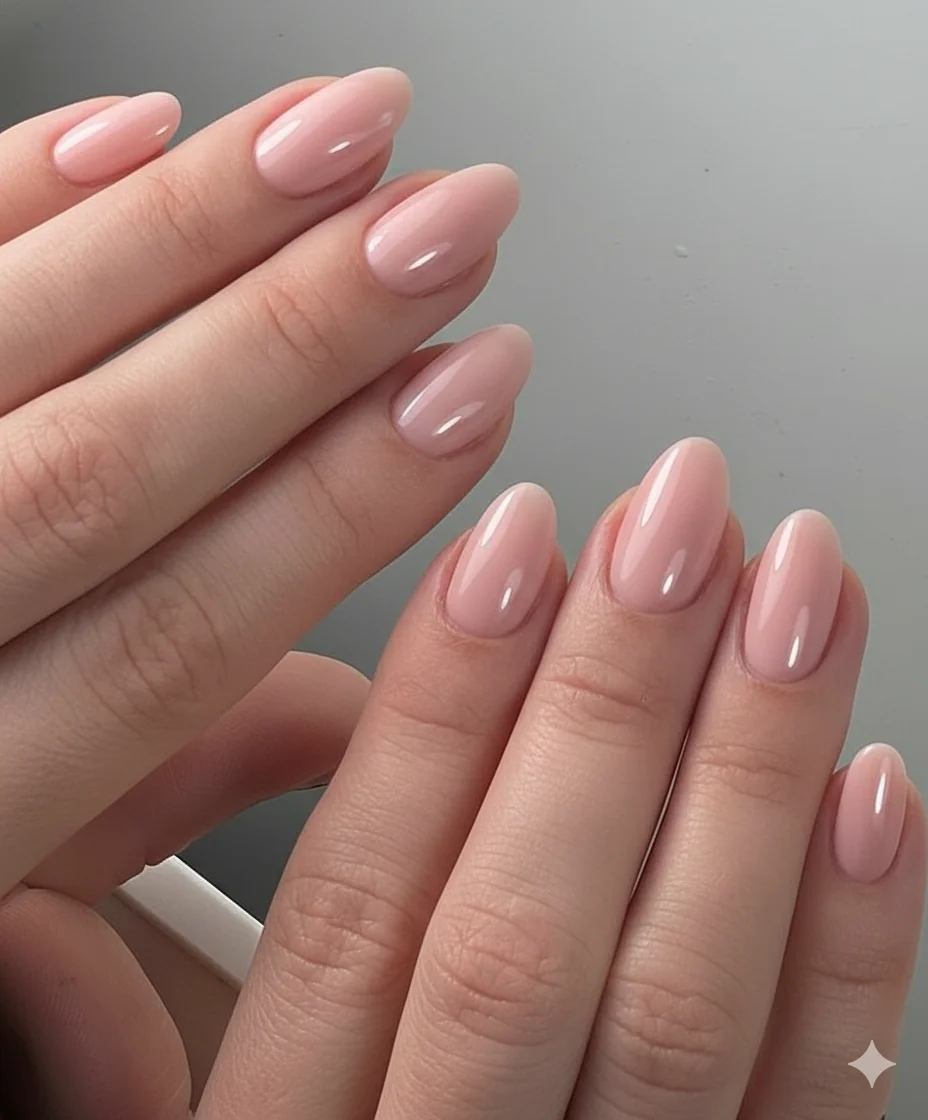
Short to medium length a 2–4mm free edge is the confident choice for a teacher, not the compromise version of one. Squoval or oval shapes are the practical standard.
The reframe here is important. Short nails are not what you pick when you can't have long nails. They are what you pick when your hands are doing actual work from eight in the morning until four in the afternoon. A 2–4mm free edge in a squoval or oval shape sits flush against paper when you write, doesn't catch on exercise books when you hand back work, and won't scratch a child who grabs your hand without warning. These are things that matter before the aesthetics conversation even begins.
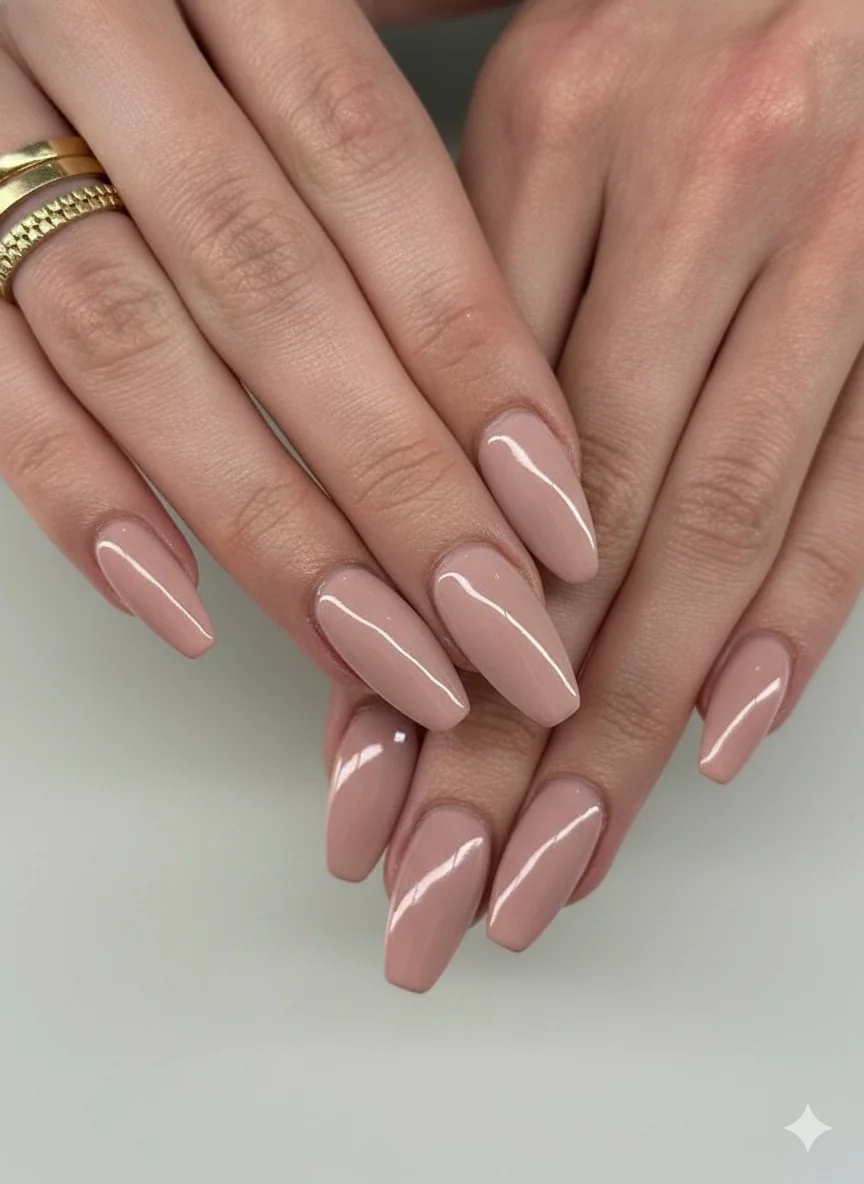
Squoval square with the corners softened is the teacher's shape of choice because it resists lifting at the corners better than square, and holds nail art more cleanly than round. Oval works well on naturally narrower nail beds. Stiletto, coffin, and ballerina are beautiful on someone whose hands are not in constant active use; they're not teacher shapes.
For a comprehensive look at how nail shape maps across different professional contexts, the guide to nail shapes for work breaks down the full professional shape spectrum. For the classroom specifically: squoval, oval, or short round. In that order.

Which nail system holds up through chalk, glue, and art supplies?
BIAB wins. That's the verdict, and the rest of this section explains why.
BIAB, or Builder in a Bottle, is a structured gel overlay applied over the natural nail that adds thickness and durability without adding fake length making it the most practical salon system for women whose hands are in constant active use. Where standard gel polish sits on top of the nail and chips from the edges inward, BIAB bonds differently, adding structural integrity that resists the particular kind of wear teaching creates: dry chalk dust, repeated hand-washing, peeling wet paper off a surface, and the occasional involuntary stress test from a child who decides to dangle from your hand.
The wear time backs this up. Builder gel nails for working women last 3–5 weeks without chipping, according to nail artist and educator Mazz Hanna meaning one Sunday evening appointment carries you through an entire month of school. That is not the experience most teachers have had with standard gel polish, which tends to start lifting at the cuticle or chipping at the free edge somewhere around day eight.
Standard gel polish overlay is a decent second option if BIAB isn't available at your salon it still outperforms regular lacquer significantly. Hard gel and traditional acrylics in a short squoval shape also hold up well, with the caveat that removal is more involved and worth factoring into your long-term cost calculation.
Regular nail polish, including the "long-wear" formulas, is a short-week gamble. It looks beautiful on Monday morning and starts telling a different story by Wednesday afternoon art class.
For further reading on builder gel wear time for working hands, the case for BIAB as a teacher's system is well documented.