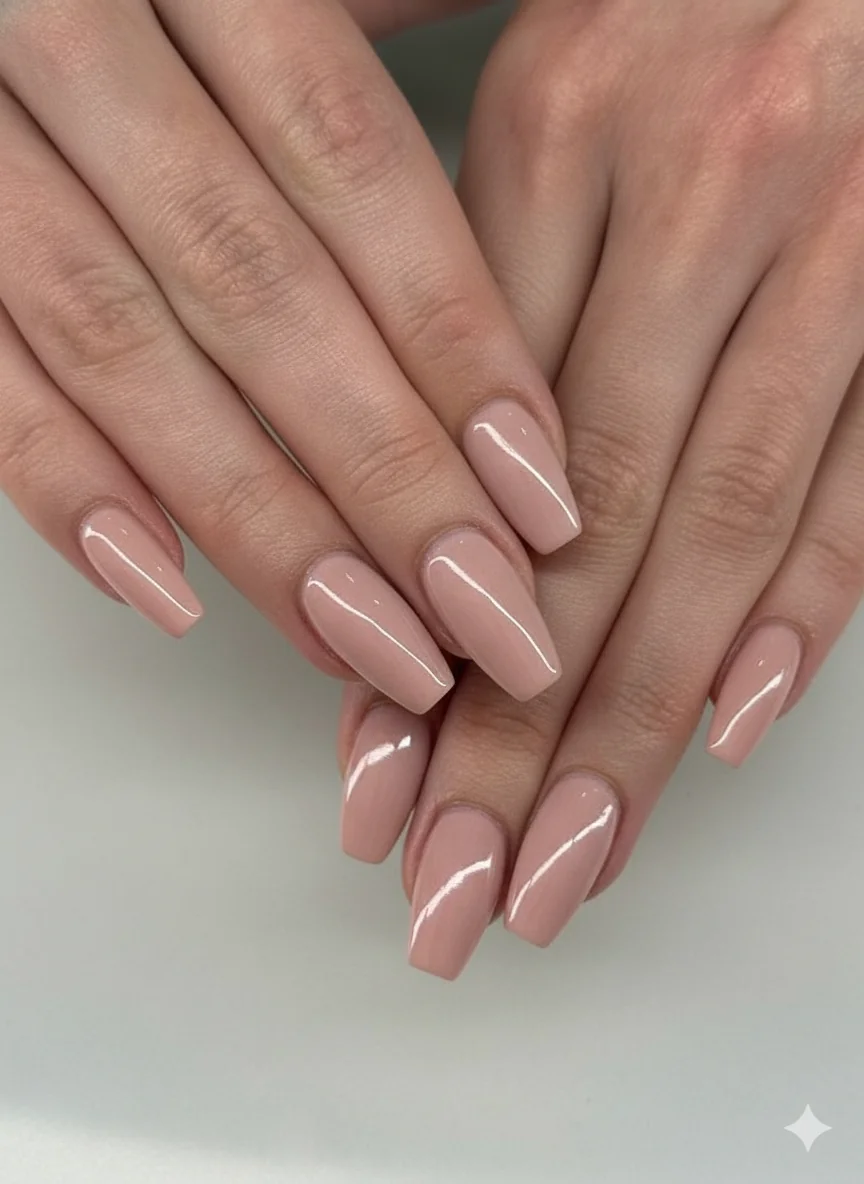
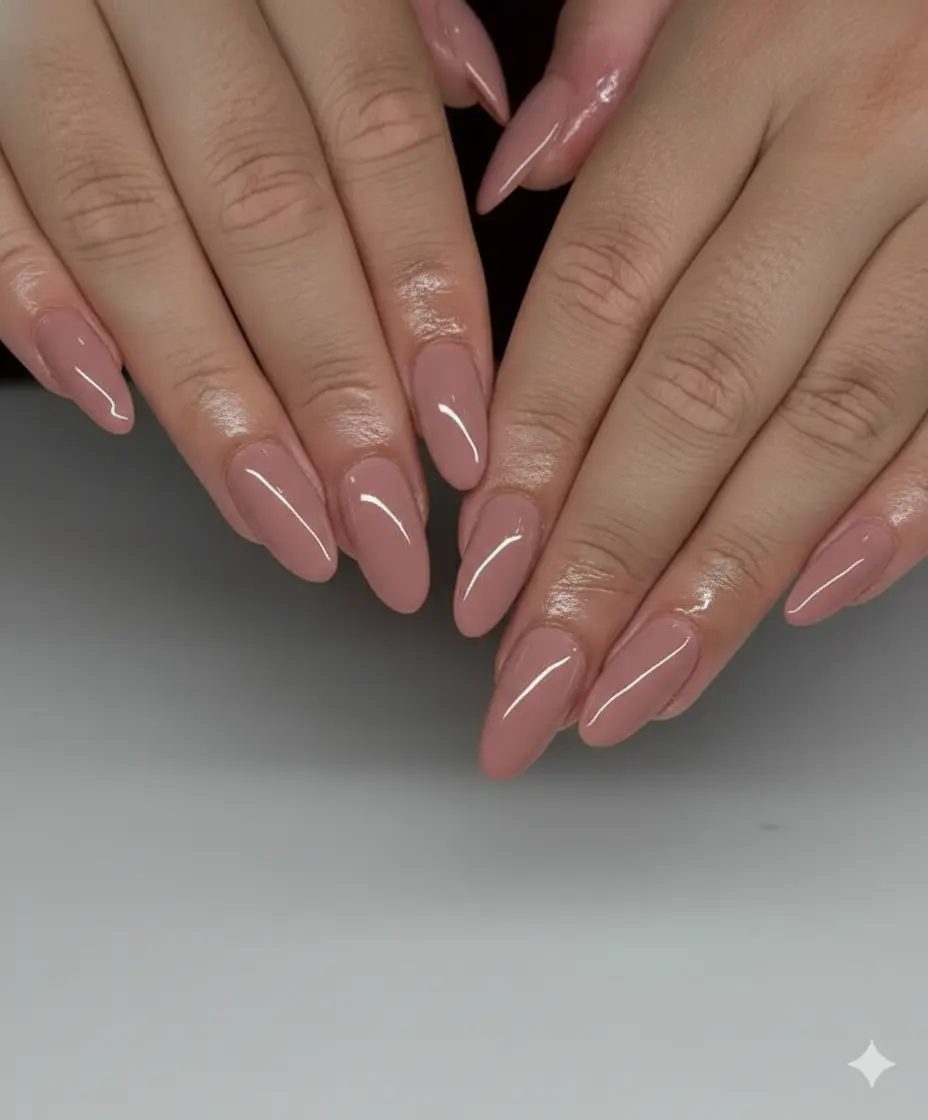
Most nail strengtheners for nurses on the market are not designed for nurses at all. They are formulated for dehydrated nails nails that need moisture and a surface coating. That is a very different problem from nails that have been chemically stripped, mechanically abraded, and hydration-cycled 400 times in a single shift.
If you have tried the well-reviewed options from Ulta or Sephora and seen no improvement, that is the reason. It is not your nails. It is the product category. This post is for nurses and healthcare workers navigating the challenge of nail strengthener for nurses that actually survives clinical conditions covering which product types address the specific damage nursing does, which brands hold up, and how to build a routine around shifts rather than around a salon schedule. For the broader picture of what you can wear to work, the work nails hub covers the full landscape.

Why Do Nursing Nails Break Differently to Everyone Else's?
The wet-dry cycle occurs when nails repeatedly absorb water (swelling the nail plate) and then dry rapidly through alcohol sanitiser exposure (contracting it), causing the keratin layers to separate over time. This is not the same as simply having dry nails. It is a mechanical fatigue process, and it is why generic moisturising products make very little difference.
Most people think of brittle nails as a dehydration problem. For nurses, the damage is structural. Each time you wash your hands, the nail plate absorbs water and expands. Each alcohol sanitiser application then pulls that moisture out rapidly and the repeated swelling and contraction over a 12-hour shift causes the lamellae (the microscopic layers of the nail plate) to begin separating. Latex and nitrile gloves compound this by creating a sealed, warm, damp environment that accelerates maceration, then exposing the nail to air again when the gloves come off.
A 2020 review of nail care guidance for healthcare workers noted increased rates of nail plate thinning and periungual damage during periods of intensive hand hygiene a direct result of the frequency, not just the products used. The technical term for what you are experiencing is onychoschizia, lamellar nail splitting caused by repeated hydration and dehydration of the nail plate. Understanding that mechanism matters because it tells you exactly what kind of product will and will not work. A surface hardener locks in brittleness. A conditioning treatment that rebuilds from within is what the damage actually requires.

Nail Hardener vs Nail Strengthener: Which One Do Nurses Actually Need?
A nail hardener makes nails rigid by cross-linking the nail plate with formaldehyde or formaldehyde-releasing agents. A nail strengthener rebuilds and conditions the nail plate using proteins, peptides, or bonding agents without making it brittle.
That distinction is not minor. Nurses on allnurses.com have documented exactly this for years: the hardeners that work perfectly for desk workers cause nails that have been stressed by the wet-dry cycle to snap rather than flex. A rigid nail plate on a hand that is gloved, stretched, and mechanically loaded all day is a nail plate that will break at the free edge.
The formaldehyde content matters specifically. Traditional hardeners like the original Sally Hansen Hard as Nails formula use formaldehyde to create a cross-linked, rigid surface. That is appropriate for soft, over-moisturised nails that bend rather than break. Nursing nails are not soft from moisture they are soft from structural deterioration. Applying a hardener to a nail with separated keratin layers is like putting a rigid coat of varnish over crumbling plaster. It does not fix the structure. It just adds a surface that will flake off faster.
What nurses need is a conditioning strengthener: one that uses hydrolysed proteins, calcium, or bond-building technology to rebuild the nail plate from within, while allowing it to retain some flexibility. That is a different formulation category entirely, and it is the one that will actually survive a shift.

The Best Nail Strengtheners for Nurses in 2026
For nursing-specific nail damage, OPI Nail Envy and OPI Repair Mode are the two products that consistently appear across nursing communities, beauty editors, and clinical nail care discussions because both are designed to address chemical and mechanical damage rather than simple dehydration.
Nurses in healthcare forums reach for specific products, and the names that come up repeatedly are not the ones dominating Sephora bestseller lists. The reasons are practical: hold time under sanitiser, no stickiness mid-shift, policy compliance, and actual structural improvement over time.
OPI Nail Envy uses Tri-Flex Technology a combination of hydrolysed wheat protein, calcium, and biotin to rebuild the nail surface in a flexible, layered structure rather than a rigid coat. It dries clear and can be used as a standalone treatment or as a base coat. Applied as two coats to clean bare nails, with a refresh coat every other day, it builds genuine plate strength over a 4-6 week period. For nurses whose nails are peeling in layers, this is the correct starting product.
OPI Repair Mode Bond-Building Nail Serum is a bond-building nail serum that penetrates the nail surface using Ulti-Plex Technology to repair keratin structure from within, specifically designed to protect against damage from hand washing and cleaning products. It is applied under Nail Envy as a primer step, and OPI Repair Mode bond-building serum explicitly markets itself for this use case which matters, because most strengtheners do not acknowledge the specific damage pattern that chemical exposure creates.
Essie Hard to Resist uses bonding technology rather than formaldehyde it fortifies without rigidifying. It runs slightly more affordable than OPI and is widely available. Nurses with mild-to-moderate damage report good results, though it is less targeted than Repair Mode for severe plate deterioration.
Nailtiques Formula 2 has a long history in nursing communities for one specific reason: it is formulated for peeling, layering nails. The protein-and-conditioner formula rebuilds the plate gradually without making it hard and snappy. It is one of the few nail treatments that explicitly addresses nail separation rather than surface coating.