What Actually Causes White Spots on Nails?
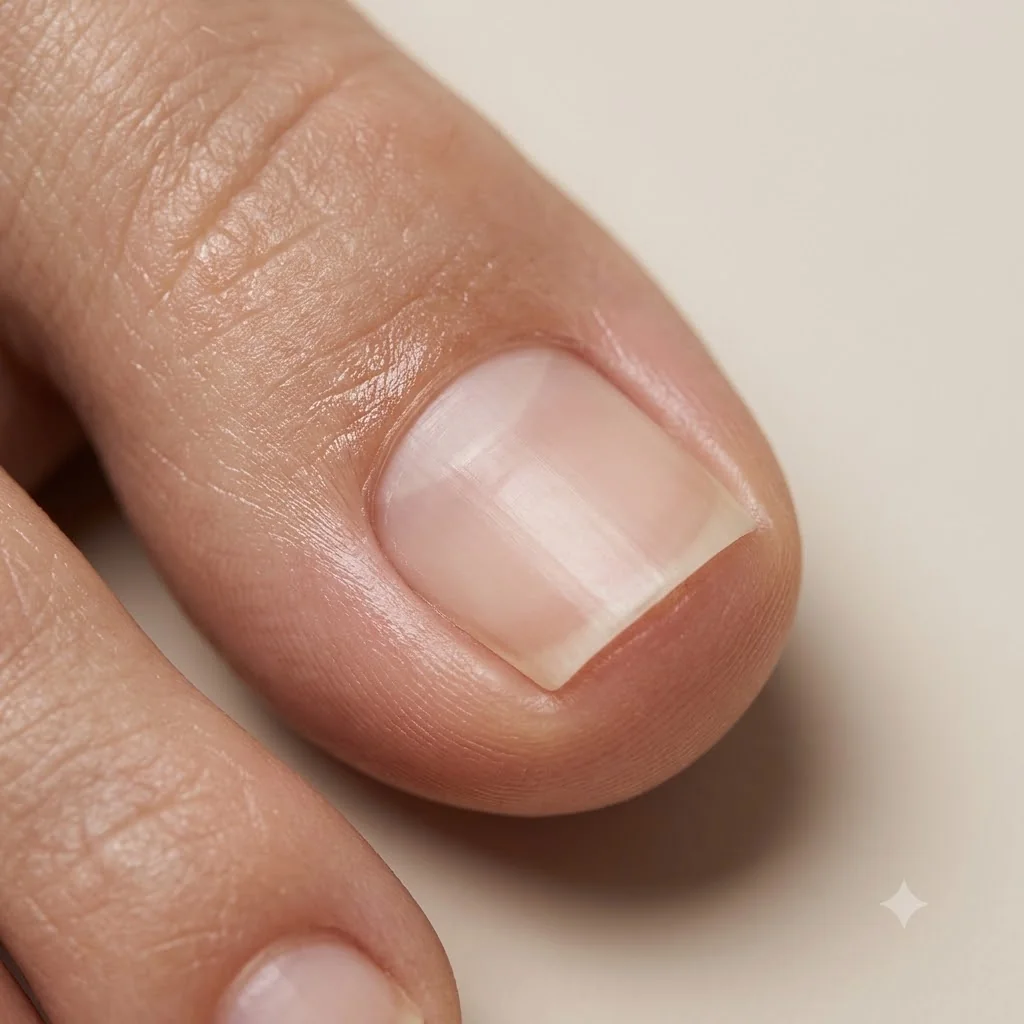
Minor trauma to the nail matrix causes almost all white spots on nails, and the injury is rarely remembered. The nail matrix is the tissue at the base of the nail that produces the nail plate, so a knock there leaves a small flaw in the plate that only shows once it grows out.
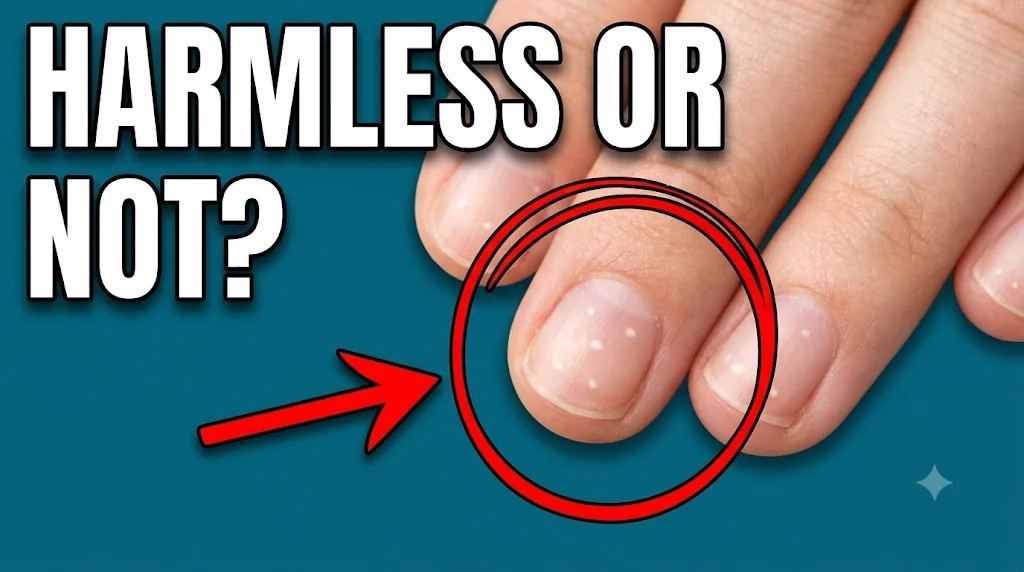
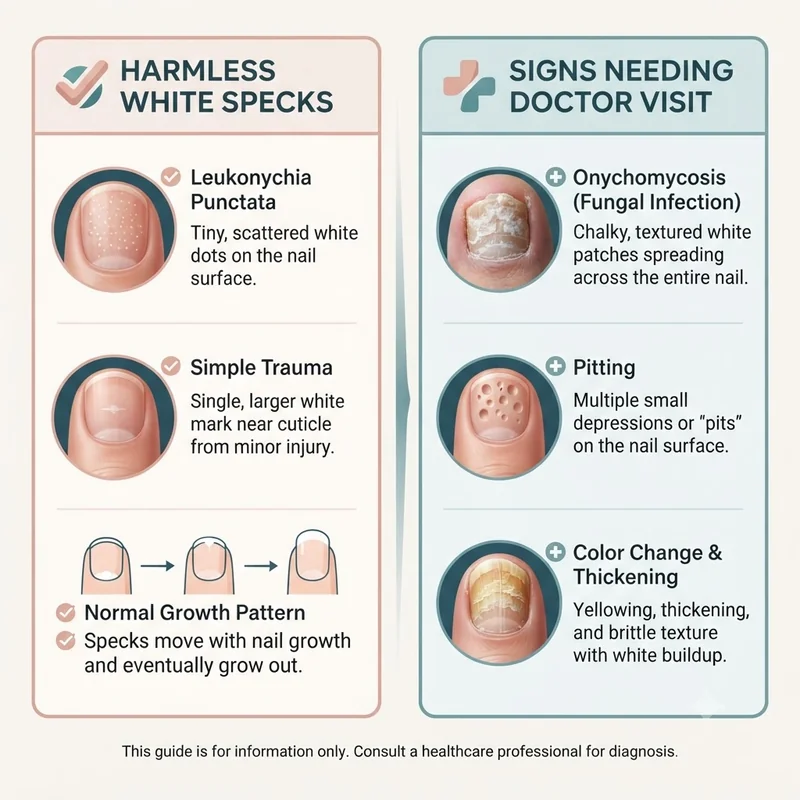
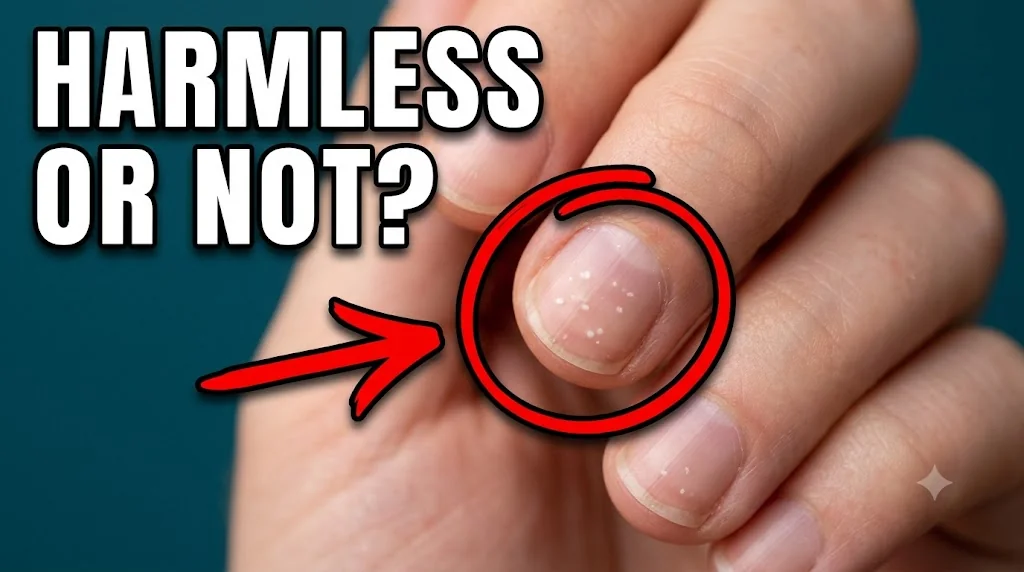
Leukonychia is the medical term for white discoloration of the nail. Punctate leukonychia describes small, pinpoint white spots, and it usually comes from matrix trauma. The injured matrix produces a patch of loosely packed keratin cells, and the air trapped between layers makes that patch look white.
The trigger is often, in Dr. Rokhsar's words, "a stubbed toe or manicure pressure weeks earlier." In practice, that means a nail caught in a drawer, a firm cuticle pusher, or an electric file working too close to the base. The damaged cells stay hidden beneath the skin until the plate grows past it, which is why the spot arrives long after the cause.
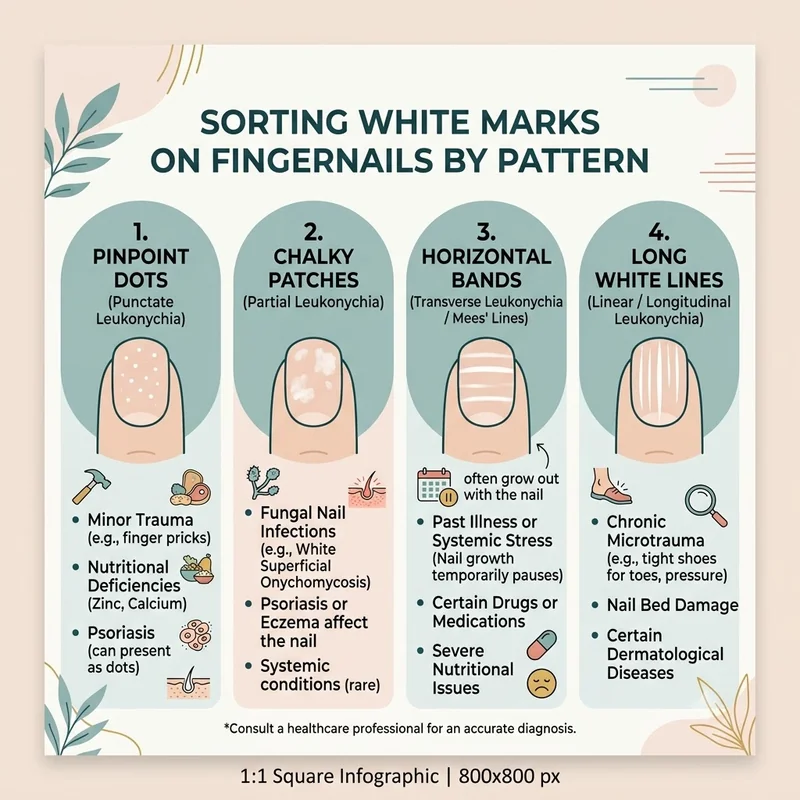
Sorting white spots on nails by pattern takes about a minute:
- Pinpoint dots: matrix trauma, the most common cause.
- Chalky patches after polish or gel: keratin granulations from surface dehydration, covered next.
- Horizontal bands across several nails: usually linked to illness or a medication, so they deserve a professional look.
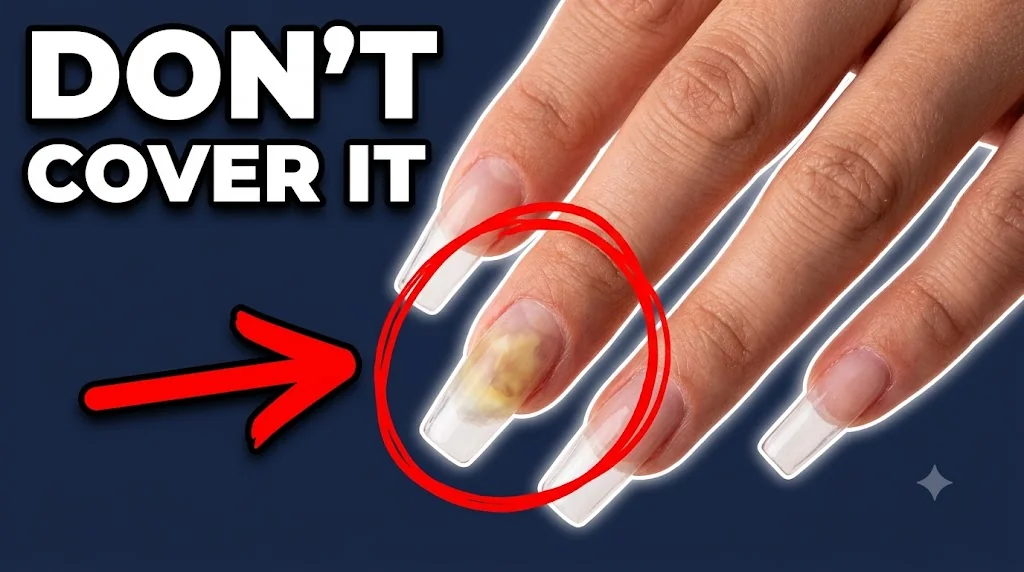
- Long white lines, or a mostly white nail: see the warning signs further down.
Why Do I Get White Spots on My Nails After Gel Polish?
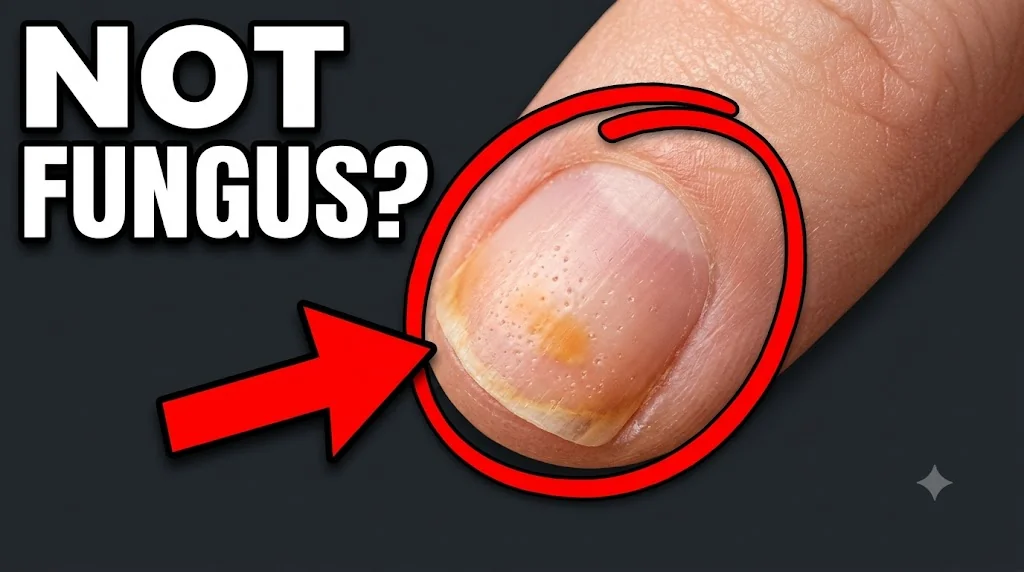
Fifteen minutes of acetone soak-off can strip enough water from the nail surface to leave chalky, cloudy patches behind, which is why white spots on nails are so often noticed right after gel removal. Keratin granulations are chalky surface patches from dehydration or polish removal, not infection.
Granulations sit on the surface, look dull and powdery, and appear right after removal. True white spots on nails from the matrix sit inside the plate, stay smooth on top, and show up weeks after a knock, so the two are easy to tell apart once you know the timing. Removal can still cause the second kind: prying, scraping, or an eager electric file can bruise the matrix, and the spot follows weeks later.
Harvard Health on leaving polish on too long covers a related factor: polish worn for weeks can stop the nail surface from shedding cells normally. At Mirellé, we treat removal as the step of a gel manicure that deserves the most care, and the guide on how to repair nails after gel or acrylic removal without more damage covers what to do once the polish is off. A polish break gives a dry surface time to rehydrate while the granulations grow out.
How Long Do White Spots on Nails Take to Go Away?
White spots on nails leave at the speed the nail grows, which is roughly four to six months for a fingernail from base to tip. Chalky patches from polish removal usually clear sooner, because they sit on the surface rather than deep in the plate.
Published estimates run from four months to nine, and the spread is real. Growth speed differs from person to person, and a spot near the tip has far less distance to travel than one near the base. Watch it climb: a spot that moves steadily toward the free edge is riding the nail plate, which is what an old injury does.
Dr. Rokhsar's advice on treatment is brief: the spots "grow out on their own without treatment." Trim the free edge when the spot reaches it and the mark is gone.
Can You Get Rid of White Spots on Nails Faster?
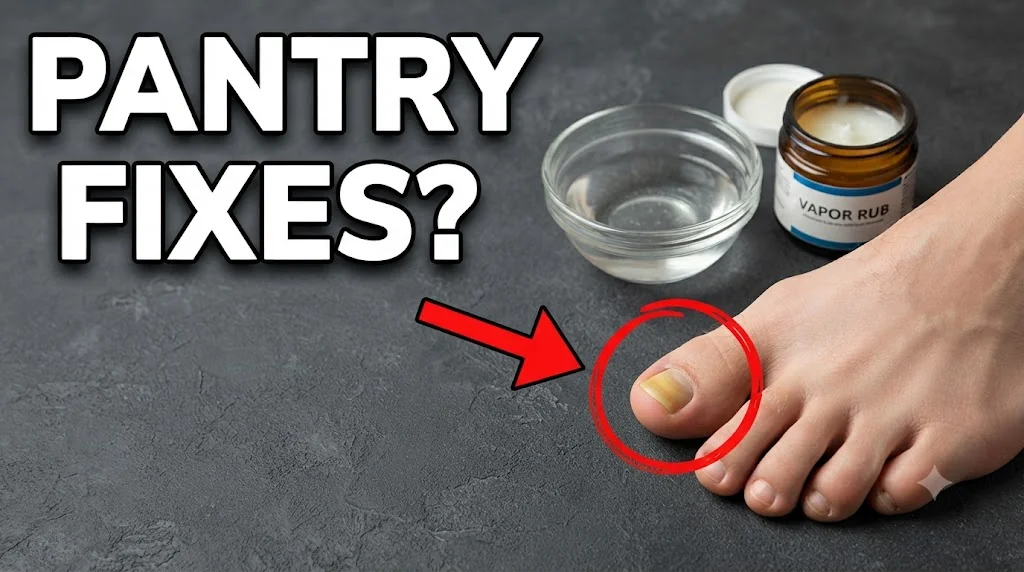
A white spot is not a stain on the nail, so nothing you rub onto it can lift it out. You cannot remove white spots on nails with any product, because each spot is built into the nail plate and only leaves as the nail grows out. What you can do is keep the surface hydrated and stop adding new injuries at the base while it does.
Hydration is the useful lever. A daily bit of cuticle oil worked into the skin at the base of the nail keeps that area supple, and the piece on why a daily cuticle oil routine changes long-term nail health lays out the reasoning.
Skip the buffer. Buffing thins the plate without removing a mark that sits inside it, and a thinner nail is easier to injure. If the spot bothers you, a sheer polish covers it while it grows out.