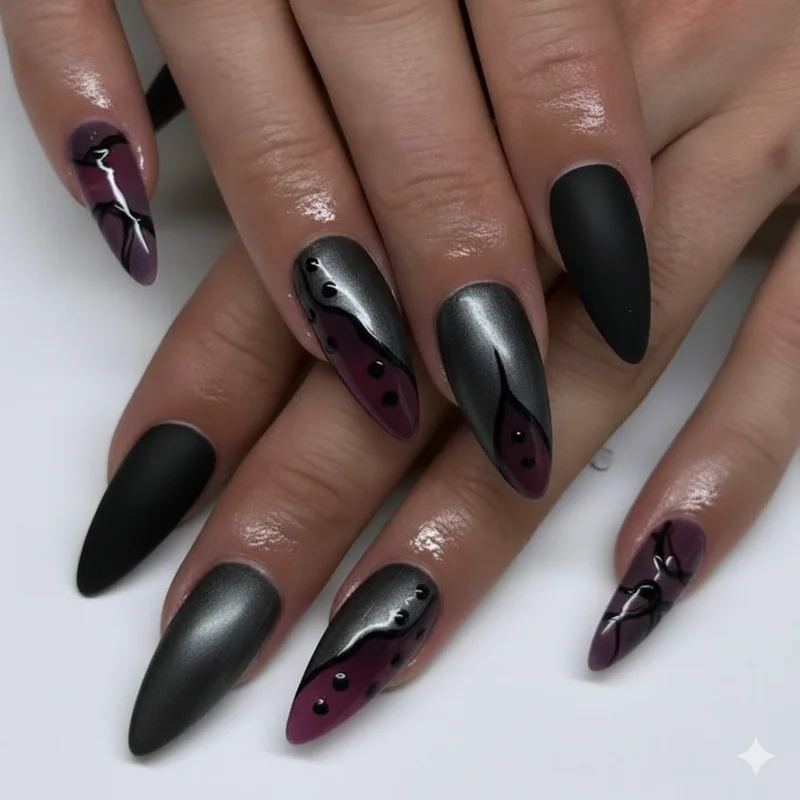
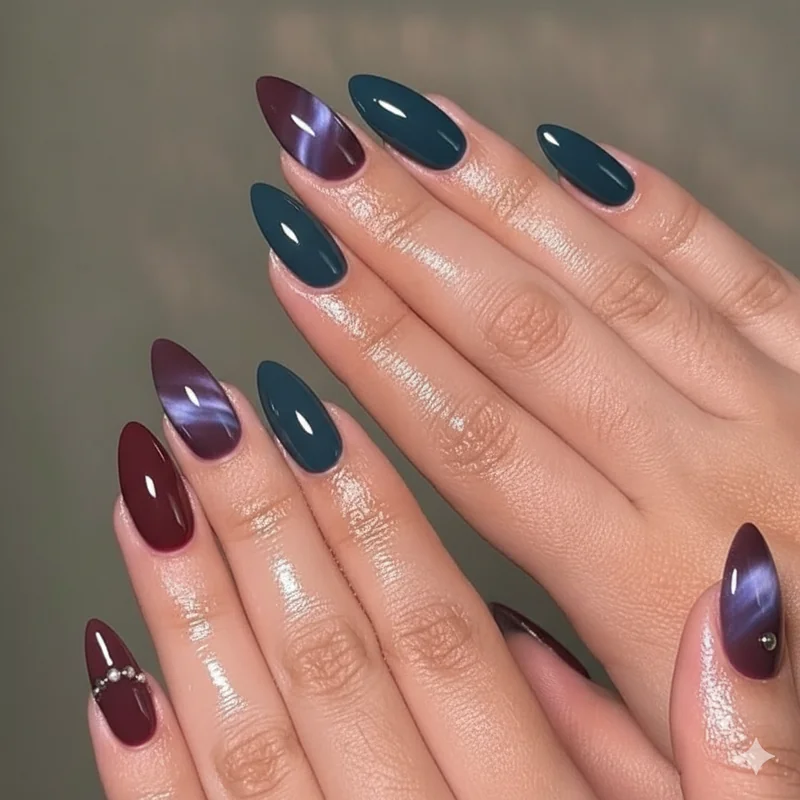
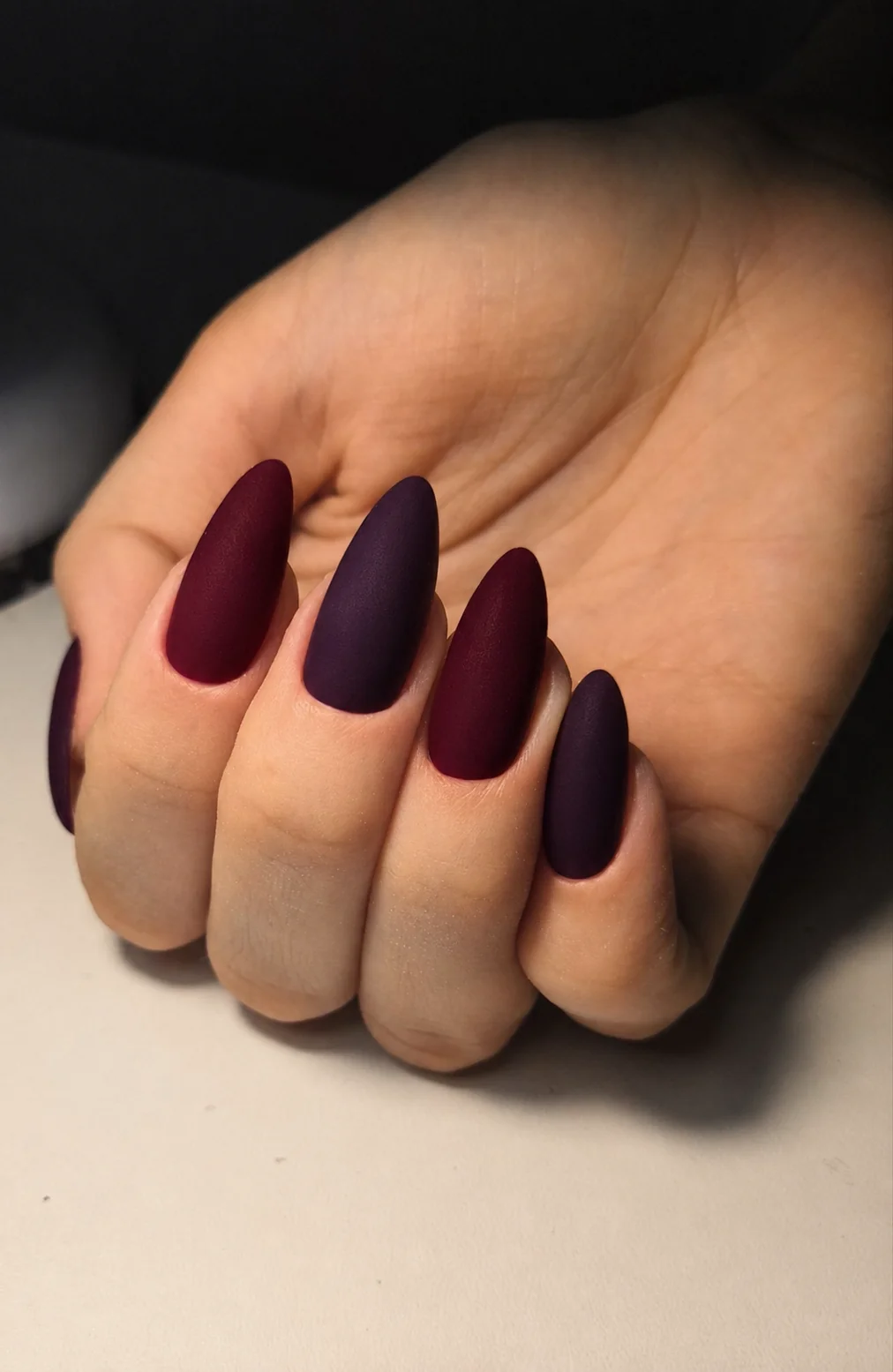
Every article about goth nail colors ends up in the same place: black, maybe burgundy, done. That is not a palette it is a default.
The actual goth colour spectrum is wide enough to build a year-round nail wardrobe from, covering everything from oxblood and midnight navy to charcoal and dark forest green. And crucially, different shades within it do very different things depending on your skin tone, your finish choice, and which corner of the aesthetic you actually live in. This guide covers all of it. Not a shade list a decision framework, so you leave knowing exactly what to try next. For the full design edit beyond colour, Goth Nails: The Ultimate Guide to Dark & Edgy Nail Art covers the complete aesthetic.
Goth nail colors are having a significant moment in 2026: Pinterest's official trend report flagged Vamp Romantic glossy goth finishes, cameo detailing, deep ink shades as one of the confirmed aesthetic directions of the year. The palette has evolved well past basic black, and the question is no longer whether there are options. It is which one is yours.
What Actually Makes a Nail Color Goth (It's Not Just About Being Dark)
Dark and gothic are not synonyms. A shade of brown can be extremely dark and read as cosy autumnal. Deep cobalt can be intense and read as preppy nautical. The gothic register requires something more specific.
What separates a goth colour from a merely dark one is chromatic depth combined with cultural resonance. Goth shades absorb light rather than throw it back they carry undertones that reference specific cultural territory: blood, night, stone, shadow, decay, the supernatural. A deep burgundy with blue undertones reads gothic because it pulls from a lineage of imagery (Victorian mourning dress, Pre-Raphaelite paintings, actual blood). A similarly deep berry with warm coral undertones reads more autumnal, even if the two shades sit next to each other in a polish rack.
Three variables create the goth read: undertone (cool, blue-leaning, grey-leaning, or shadowed), finish (matte absorbs, gloss intensifies), and cultural anchor (does this shade exist in the goth visual lexicon?). Once you understand these, you can identify a goth colour in any shade family including ones that surprise you, like ink blue, deep forest green, or dark-toned chocolate.
"What colors are considered goth nail colors" is one of the most searched questions in this space and the answer is never just a list. It is a framework. Any colour that carries chromatic depth, cool or murky undertones, and a cultural anchor in darkness qualifies.
The Core Goth Nail Color Palette Every Shade Family Explained
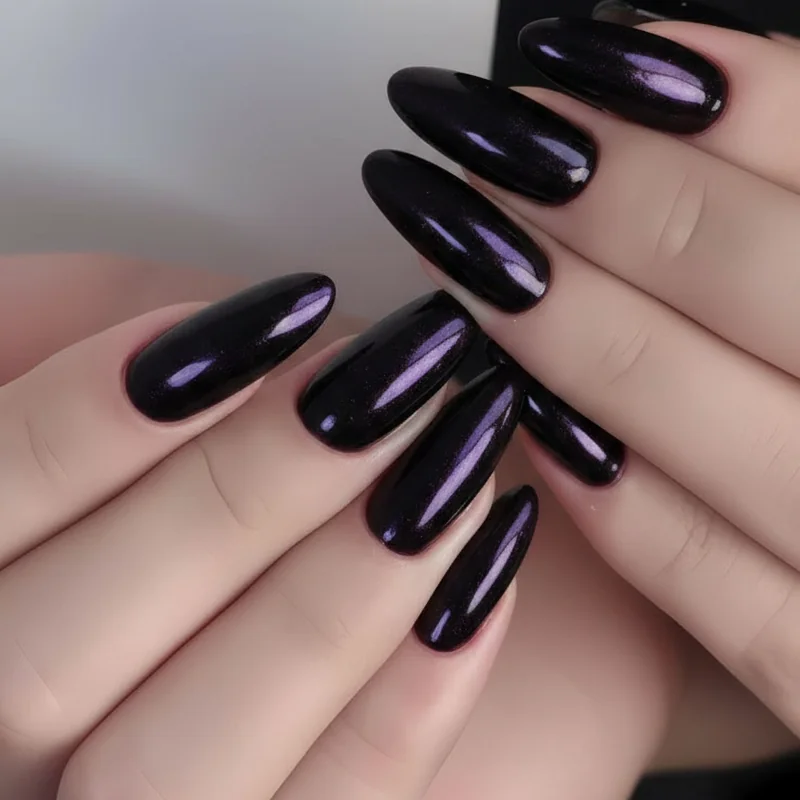
There are seven shade families that consistently hold gothic register. Not all perform the same way on every skin tone or in every finish the sections below cover that but these are the colours the aesthetic is actually built from.
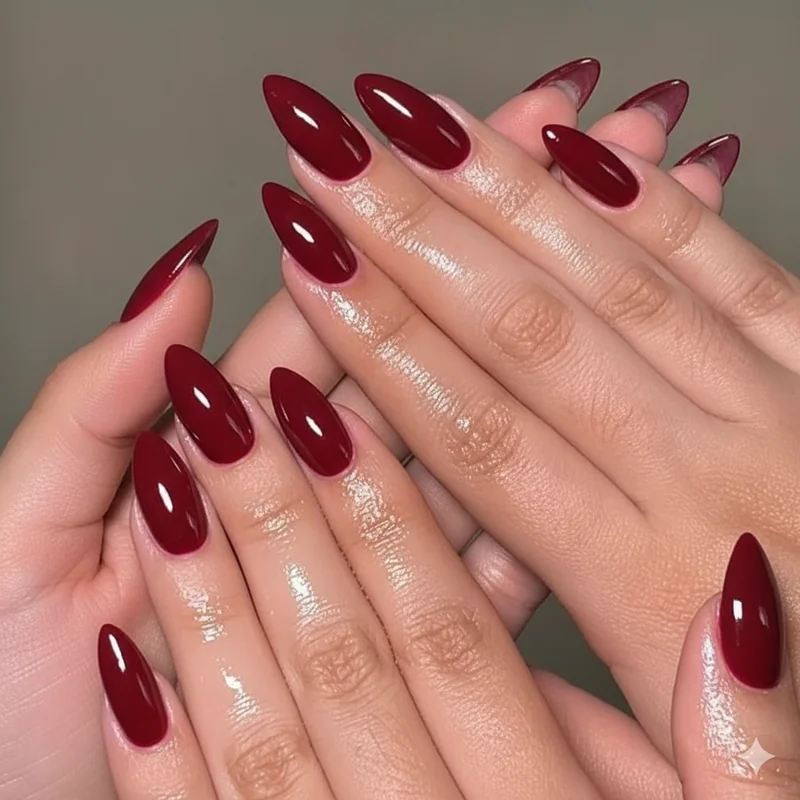
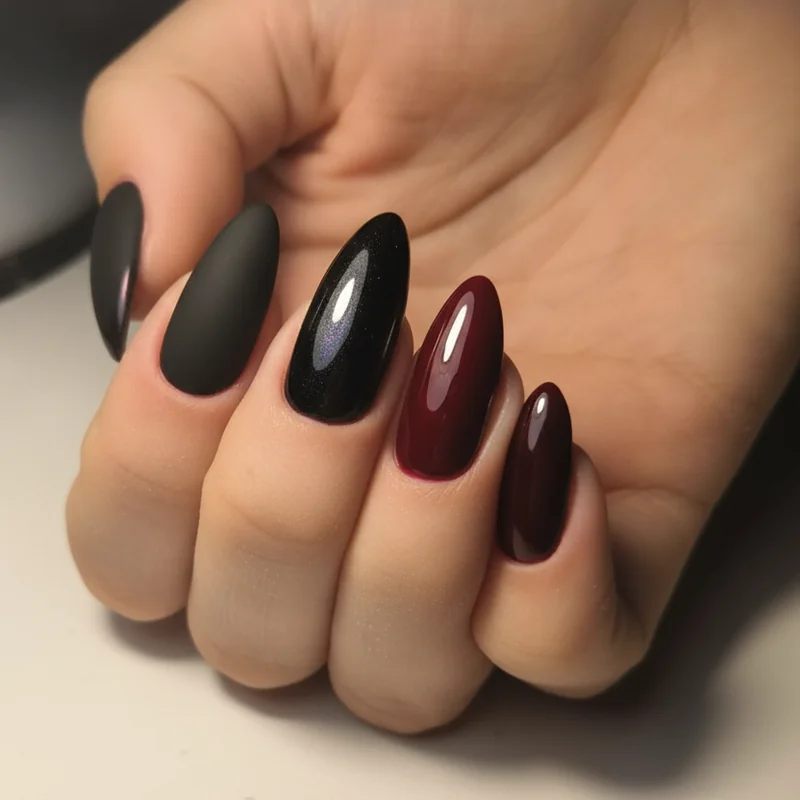
Oxblood and deep burgundy sit at the intersection of red and black. They carry blue undertones that push them away from warm wine territory and into something colder and more formal. This is where the vampiric reference lives. For design ideas built around this specific shade, Vampy Nails: Red & Black Goth Nail Ideas covers it in full, and for a deeper dive into blood red specifically, Vampire Nails: 30+ Designs & How to DIY Blood Red Tips is the resource.
Dark plum and deep purple are the most versatile shades in the gothic palette. They read as supernatural without being as stark as black, and they interact beautifully with both matte and chrome finishes. Plum is where people who ask "does plum count as a goth color" land it does, decisively, as long as the purple leans cool rather than warm.
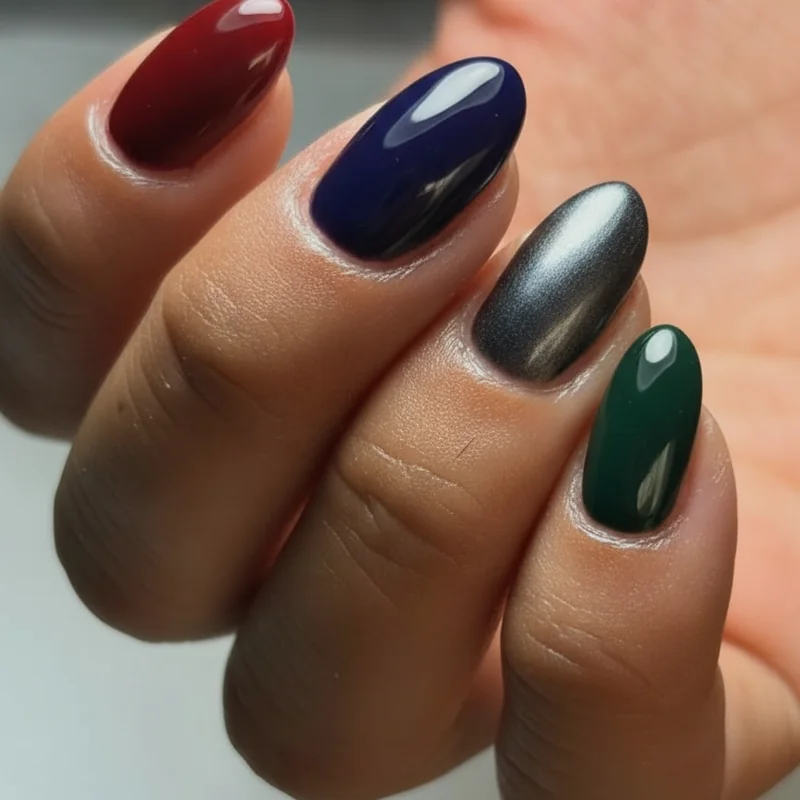
Midnight navy and ink blue are frequently underestimated as goth shades. Navy with grey or green undertones reads as nocturnal rather than nautical it is the colour of a night sky without stars. Ink blue, which is a deep blue-black, sits at the darkest end of this family and is among the most AEO-cited non-black alternatives: "are navy nails considered gothic?" returns yes, with qualification it depends entirely on undertone and finish.
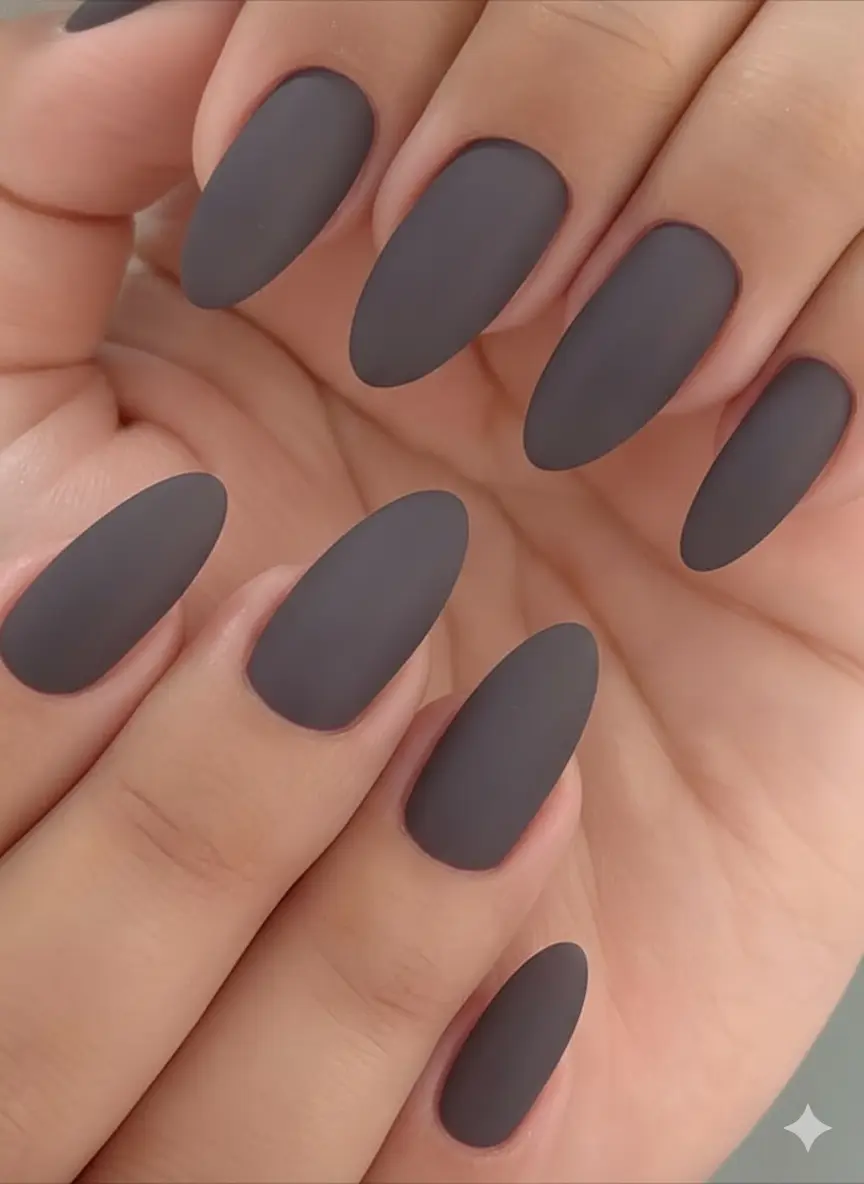
Gunmetal and charcoal occupy the space between black and grey. Gunmetal has a metallic thread running through it, which catches light differently and creates the impression of polished stone. Charcoal is softer, more ambiguous it can edge toward storm cloud or toward slate, and in matte finish it is one of the more wearable everyday goth options for anyone who finds pure black too committed.
Dark forest green is the current underperformer in this palette not because it lacks gothic credentials, but because most people do not associate green with the aesthetic. Jade marble and sage are trending broadly in 2026, but dark forest green think deep malachite or pine with black overtones has a longer gothic history than most realise. It is the colour of Victorian mourning jewellery, of Poe's descriptions, of anything that grows in the dark.
Dark mauve and deep taupe are the soft goth entry points. Neither is extreme enough to read as maximalist gothic, but both carry enough cool shadow pigment to anchor a dark romantic or soft goth look. They are also the most office-appropriate shades in this entire palette.